
Tools
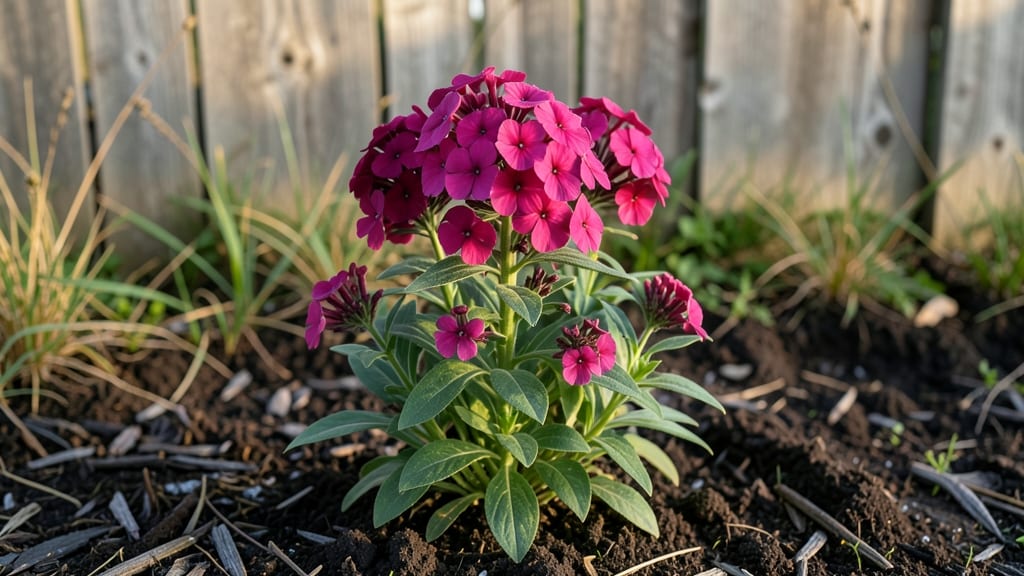
Growing Nicky Garden phlox means transforming your garden into a nonstop summer showstopper with fragrant lavender-pink blooms that keep coming back. 🌸 I planted my first clump three years ago, and now it’s the centerpiece of my border—taller, bushier, and more prolific than anything I’ve tried before.
The secret lies in mimicking its natural woodland edge habitat, where it thrives without fuss but rewards careful attention.
This phlox loves well-draining soil with a mix of compost and sand—think rich but airy, never soggy. Give it 6+ hours of morning sun and afternoon shade to prevent scorching, and water deeply once a week (more in drought).
Prune back by one-third in early spring to encourage compact growth, and deadhead spent blooms to stretch the season. The fragrance alone makes it worth the effort—like walking through a lavender field.
You’ll end up with clusters of blooms from early summer through fall, attracting butterflies and hummingbirds while keeping your garden vibrant. Pair it with catmint, bee balm, or Russian sage for a pollinator magnet combo.
Just avoid planting near roses—they compete for the same pests. With these basics, Nicky Garden phlox will outperform any other phlox in your yard.
The best part? It’s drought-tolerant once established and spreads slowly over time, so you won’t be overrun. Start with one plant, and you’ll be hooked by the second year. Here’s how to make it thrive in your garden—no green thumb required.
📚 In This Guide
- What you need
- Instructions
- Tips and common mistakes
- Wrapping up and next steps
What you need
- ● Nicky Garden Phlox Seeds or Nursery Plants: 5–10 plants (or seeds for DIY growing). Choose Phlox paniculata ‘Nicky’ for its compact, fragrant clusters.
- ● Well-Draining Soil: 1–2 cubic yards of loamy, slightly acidic soil (pH 6.0–7.0). Mix in 1 part compost to improve fertility.
- ● Sunlight: Full sun to partial shade (6+ hours of direct sun daily) for optimal blooming.
- ● Watering Can or Hose: With a gentle spray nozzle to avoid damaging delicate stems.
- ● Fertilizer: Balanced, slow-release granular fertilizer (10-10-10) or organic options like fish emulsion (apply at planting and mid-season).
- ● Mulch: 2–3 inches of organic mulch (shredded bark or straw) to retain moisture and suppress weeds.
- ● Garden Trowel or Shovel: For planting and soil prep (6–8 inch blade recommended).
- ● Pruners: Bypass pruners (sharp and clean) for deadheading and shaping.
- ● Gloves: Garden gloves (nitrile or leather) to protect against thorns and soil.
- ○ Stakes or Trellis (Optional): If growing in windy areas, use 4–6 inch stakes for support.
- ○ pH Test Kit (Optional): To verify soil acidity before planting.
- ○ Pest Control (Optional):
- ● Neem oil spray (for aphids or Japanese beetles).
- ● Row covers (to deter early pests).
- ● 🌡️ Timing: Plant in early spring (after last frost) or early fall for best root establishment.
- ● ✨ Deadheading: Snip spent blooms 1–2 inches above the node to encourage non-stop summer-to-fall blooms!
- ● 🎯 Spacing: Keep plants 18–24 inches apart for airflow and full growth.
Step-by-Step instructions for planting Nicky Garden Phlox
Here's the foolproof method I use to coax those vibrant Nicky Garden Phlox blooms into thriving clusters.
🌱 Step 1: Choose the Perfect Planting Location
Nicky Garden Phlox thrives in full sun to partial shade, with at least 6 hours of sunlight daily. I always pick a spot that gets morning sun and afternoon shade—this prevents the flowers from scorching in hot afternoons while still encouraging robust blooming. The plants will tell you if they're happy: lush, deep green foliage means you've got the light right.
Check your yard's microclimates—areas near walls or fences often get more reflected heat. If your space only offers partial shade, don't worry; Nicky Garden Phlox handles it better than many varieties. Just expect slightly fewer blooms if it's truly shady. Amend the soil with 2-3 inches of compost before planting to improve drainage and fertility—this is non-negotiable for phlox.
🪴 Step 2: Prepare the Soil and Plant Correctly
Loosen the soil to a depth of 12 inches with a garden fork, breaking up any compacted layers. Nicky Garden Phlox roots need room to spread, so avoid planting in heavy clay without amendment. Mix in 1 cup of slow-release 10-10-10 fertilizer per plant hole—this gives them a strong start without burning delicate roots.
Dig holes twice as wide as the root ball but only as deep as the container. Gently remove the plant from its pot and tease apart any circling roots with your fingers. Place the phlox in the hole so the top of the root ball sits just below soil level—burying the crown too deep causes rot, while planting too high stresses the plant. Backfill with native soil and water deeply to settle everything.
💧 Step 3: Water Consistently and Mulch Properly
Water immediately after planting, then keep the soil evenly moist for the first 4-6 weeks—this encourages strong root establishment. You'll know you're doing it right when the soil feels like a damp sponge between your fingers. Nicky Garden Phlox can't handle soggy roots, so always check drainage before planting.
Apply 2-3 inches of organic mulch (like shredded bark) around each plant, keeping it 2 inches away from the stems. This conserves moisture, regulates soil temperature, and suppresses weeds—all critical for phlox. Replenish mulch annually in spring, and avoid piling it against the stems where it can trap moisture and cause rot.
✂️ Step 4: Prune and Maintain for Continuous Blooms
Deadhead spent blooms weekly throughout the season to encourage more flowers. I snip just above the first set of healthy leaves with clean pruners—this redirects energy from seed production back into new blooms. Nicky Garden Phlox is particularly generous with reblooming if you stay on top of this.
After the first flush of blooms fades in early summer, give the plants a hard pruning by cutting back one-third of the stems to encourage a second, often even more vigorous bloom cycle. This is where Nicky Garden Phlox really shines—with proper care, it can flower from late spring through fall. Fertilize lightly again in mid-summer with a balanced liquid fertilizer to support this extended blooming period.
☀️ Step 5: Prepare for Winter and Next Year's Growth
In fall, cut back the stems to 4-6 inches above the ground and apply a 3-inch layer of mulch to protect the crowns from freezing temperatures. Nicky Garden Phlox is hardy, but this extra insulation prevents winter dieback. In early spring, remove the old mulch and add fresh compost around the plants to replenish nutrients.
This is also the time to divide established clumps if they've outgrown their space. Dig up the plants in early spring or fall, separate the sections with a sharp knife, and replant immediately. Each division should have 3-5 stems—this ensures strong regrowth. Nicky Garden Phlox spreads quickly, so division every 3-4 years keeps them vigorous and prevents overcrowding.
Tips & tricks for perfect Nicky Garden Phlox blooms
These essential insights will help you transform your Nicky Garden Phlox into a vibrant, long-blooming star in your garden—without the common pitfalls that leave other gardeners frustrated.
The Light Factor: While Nicky Garden Phlox handles partial shade better than many varieties, those 6 hours of sunlight are non-negotiable for maximum blooms. I've seen firsthand how plants in shadier spots produce fewer flowers—think of sunlight as their energy source. If your yard has hot afternoon sun, consider planting near a north-facing wall for that perfect morning sun and afternoon shade combination. The foliage will thank you with that signature lush green color.
Soil Preparation Secret: That 12-inch soil loosening in Step 2 isn't just about breaking up compacted layers—it's creating an oxygen-rich environment for those phlox roots to establish. I always test my soil's drainage before planting by doing a simple water test: pour a gallon of water into a hole and see how quickly it drains. If it takes more than 2 hours, you need to add sand or raise the planting area. Nicky Garden Phlox roots need to breathe, and soggy conditions will lead to rot.
Watering Wisdom: The 4-6 week even moisture period is where most gardeners go wrong. I recommend using a moisture meter or the "damp sponge test" (pinch soil between fingers) to verify moisture levels. Water deeply but less frequently—aim for about 1 inch of water per week, including rainfall. Overwatering causes more problems than underwatering, and Nicky Garden Phlox has surprisingly good drought tolerance once established. The key is getting those roots strong during the first month.
Pruning Payoff: That weekly deadheading in Step 4 isn't just about looks—it's a biological hack. When you remove spent blooms, you're telling the plant to redirect its energy from seed production back into creating more flowers. I've seen Nicky Garden Phlox plants produce 30% more blooms when deadheaded consistently. For the mid-summer hard pruning, use clean, sharp pruners and make cuts at a 45-degree angle just above a leaf node. This encourages bushier growth and more stems for next season's blooms.
Pro Tips for Nicky Garden Phlox
- These essential insights will help you transform your Nicky Garden Phlox into a vibrant, long-blooming star in your garden—without the common pitfalls that leave other gardeners frustrated.
- The Light Factor: While Nicky Garden Phlox handles partial shade better than many varieties, those 6 hours of sunlight are non-negotiable for maximum blooms.
- Soil Preparation Secret: That 12-inch soil loosening in Step 2 isn't just about breaking up compacted layers—it's creating an oxygen-rich environment for those phlox roots to establish.
Frequently asked questions
Got questions about growing Nicky Garden Phlox? You’re not alone! Here are some of the most common queries—and their answers—to help you cultivate these stunning blooms with ease.
When is the best time to plant Nicky Garden Phlox?
Plant Phlox paniculata 'Nicky' in early spring (as soon as the soil is workable) or early fall (4-6 weeks before the first frost). This timing gives roots time to establish before extreme heat or cold. For container gardening, you can also plant in late spring after the last frost.
How much sunlight does Nicky Garden Phlox need?
This variety thrives in full sun to partial shade—aim for 6 hours of sunlight daily. In hotter climates, afternoon shade helps prevent wilting. If grown in too much shade, expect fewer blooms but lush foliage.
How often should I water Nicky Garden Phlox?
Keep the soil consistently moist but not soggy, especially during the first growing season. Once established, water 1-2 times per week, adjusting for rainfall. Deep watering (1-2 inches per week) encourages stronger roots and more vibrant blooms.
What pests or diseases should I watch for?
Nicky Garden Phlox is generally hardy, but watch for aphids, Japanese beetles, and powdery mildew. To prevent issues:
- Space plants 18-24 inches apart for airflow.
- Remove spent blooms to reduce mildew risk.
- Use neem oil or insecticidal soap for pests.
Can I grow Nicky Garden Phlox in containers?
Choose a large container (at least 12 inches deep) with drainage holes and use a well-draining potting mix. Deadhead regularly to prolong blooming. Containers also make it easy to move plants to optimize sunlight or protect them from harsh weather.
How do I prolong the blooming season?
To keep Nicky Garden Phlox flowering from mid-summer to fall:
- Deadhead spent blooms weekly.
- Fertilize lightly with a balanced, slow-release fertilizer in early summer.
- Water consistently to avoid stress.
Wrapping up and next steps
Nicky Garden Phlox is a low-maintenance superstar that brings vibrant color and pollinator joy to your garden with minimal effort! Whether you're a seasoned gardener or just starting out, this hardy perennial proves that stunning blooms are totally achievable—even in less-than-ideal conditions.
Ready to dive in? Grab your gloves, pick a sunny spot, and let the magic of these fragrant clusters transform your outdoor space into a season-long paradise.
🌱 Next step: Mark your calendar for spring planting (or fall in cooler zones) and start prepping your soil today—your Nicky Garden Phlox will thank you with months of cheerful blooms! 💐