
Container Gardens
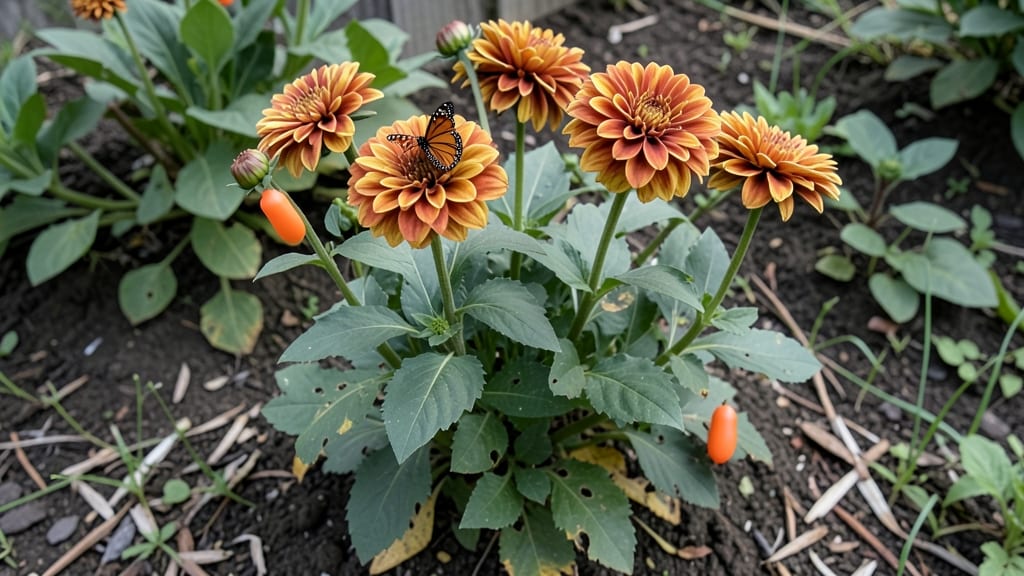
Creating a monarch garden with dahlias transforms your yard into a vibrant sanctuary where butterflies linger all season. 🌸 I’ve designed these gardens for years, and the secret lies in pairing late-blooming dahlias with other nectar-rich plants—monarchs return again and again for the feast.
The result isn’t just beauty; it’s a living ecosystem where orange wings dance through jewel-toned blooms until frost.
Start with dahlias that bloom from midsummer to fall, like ‘Karma Choc’ or ‘Bishop’—their bold petals provide nectar when monarchs need it most. Add milkweed (the only host plant for monarch caterpillars) and native wildflowers like coneflowers or black-eyed Susans to create a pollinator pathway.
The layout should mimic nature: cluster plants in 3- to 5-foot groupings with open spaces between for easy navigation.
By late summer, your garden will buzz with activity as monarchs sip nectar from dahlias while their caterpillars munch on milkweed nearby. The dahlias themselves stay disease-resistant and prolific with proper staking and deadheading, ensuring blooms until the first frost.
Even after the butterflies migrate, the garden remains a showstopper with cut flowers for your home.
This design works in full-sun beds, containers, or mixed borders, adapting to any yard size. The key is balance: monarchs thrive where food and shelter overlap, and dahlias deliver both.
Let’s build a garden that’s as functional as it is stunning—one that keeps coming back to life, season after season.
📚 In This Guide
- What you need
- Instructions
- Tips and common mistakes
- Wrapping up and next steps
What you need
- ● Dahlia tubers: 5–10 Monarch Gardens dahlia varieties (e.g., 'Bishop', 'Galaxy', or 'Café au Lait'). Choose disease-resistant types for longer blooms.
- ● Well-draining potting mix: 3–5 gallons (or enough to fill your containers). Mix with perlite or compost (1:1 ratio) for aeration.
- ● Containers: At least 12–18 inches deep with drainage holes (1–2 tubers per 5-gallon pot). Terracotta or fabric pots work best.
- ● Slow-release fertilizer: 5–10-10 or organic options like worm castings (1 tbsp per pot at planting).
- ● Mulch: 1–2 inches of shredded bark or straw to retain moisture and deter pests.
- ● Garden trowel or small shovel for planting.
- ● Pruning shears (sterilized with rubbing alcohol) for deadheading and shaping.
- ● Watering can or hose with a gentle spray nozzle (dahlias hate soggy roots!).
- ● Sunlight spot: 6+ hours of full sun daily (partial shade in hot climates).
- ○ Optional but helpful: Stakes or tomato cages (for tall varieties like 'Thomas Edison').
- ● Neem oil spray (to deter aphids and spider mites).
- ● Monarch butterfly attractants (milkweed, swamp milkweed, or butterfly weed nearby!).
Step-by-Step guide for planting and maintaining monarch gardens dahlias
Here's how to transform your garden into a dahlia paradise with vibrant, long-lasting blooms.
🌱 Step 1: Prepare the Planting Site for Dahlias
Dahlias thrive in well-draining soil with full sun—at least 6-8 hours daily. Choose a spot with shelter from strong winds, as their tall stems can topple easily. Before planting, loosen the soil to a depth of 12-18 inches using a garden fork. This ensures roots can spread without resistance.
Incorporate 2-3 inches of compost into the top 6 inches of soil to enrich nutrients. Dahlias are heavy feeders, so this boost sets them up for strong growth. Avoid fresh manure—it can burn tender roots. If your soil is clay-heavy, mix in sand or perlite to improve drainage, as soggy roots lead to rot.
🪴 Step 2: Plant Dahlias at the Right Depth and Spacing
Dahlia tubers have eyes—small buds that will sprout into stems. Plant these eyes 6 inches below the soil surface for stability and strong growth. Space tubers 18-24 inches apart in rows, allowing room for their massive foliage and blooms. Crowding weakens stems and invites disease.
Dig a hole slightly larger than the tuber, place it in with the eyes facing upward, and cover with soil. Press gently to remove air pockets but don’t compact. Water deeply immediately after planting to settle the soil and encourage root contact. Mulch with 2-3 inches of organic mulch (like shredded bark) to retain moisture and suppress weeds.
☀️ Step 3: Provide Consistent Care for Season-Long Blooms
Water dahlias deeply 1-2 times weekly, ensuring the soil stays evenly moist but not waterlogged. The top 2 inches should dry between waterings. Dahlias wilt easily when thirsty, but overwatering causes root rot. Use a soaker hose or drip irrigation to deliver water at the base, avoiding wet foliage, which attracts fungal diseases.
Fertilize every 2-3 weeks with a balanced, water-soluble fertilizer (10-10-10) once new growth appears. Stop fertilizing 6-8 weeks before the first frost to harden off tubers for winter. Deadhead spent blooms regularly to encourage more flowers and prevent seed formation, which drains the plant’s energy.
✂️ Step 4: Support Stems and Prepare for Winter
As dahlias grow, their 3-5 foot stems may need staking. Install sturdy cages or bamboo stakes early to avoid damaging roots later. Tie stems loosely with soft plant ties or old pantyhose to prevent constriction as they thicken. Prune lower leaves to improve airflow and reduce disease risk.
When frost threatens, cut back stems to 6 inches above ground. Dig up tubers carefully, shake off excess soil, and cure them in a cool, dry place (50-60°F) for 2-3 weeks. Store them in dry peat moss or vermiculite in a dark, frost-free location until spring. Proper storage ensures robust regrowth next season.
Tips & tricks for perfect monarch gardens dahlias
Transforming your garden into a dahlia haven takes more than just planting—here's how to ensure your dahlias thrive from the first sprout to winter storage.
Soil Preparation Secret: The 6-8 hours of daily sun is non-negotiable, but the real magic happens in Step 1's soil prep. I've found that amending clay-heavy soil with equal parts sand and perlite creates the perfect drainage while retaining moisture. Test your soil's pH first—dahlias prefer slightly acidic soil (6.0-7.0). If your soil is compacted, rent a rototiller for the initial 12-18 inch loosening; your dahlias will reward you with stronger stems that can support those glorious blooms.
Planting Depth Technique: When planting those precious tuber eyes 6 inches below the surface in Step 2, here's what nobody tells you: the eyes should be positioned horizontally, not vertically. This creates multiple growth points instead of just one main stem. I've seen dahlias with 4-5 strong stems from a single tuber when planted this way. After covering with soil, press gently but firmly—you're creating a snug fit that encourages root contact with the surrounding soil.
Watering Wisdom: The "1-2 times weekly" watering guideline in Step 3 needs context: this assumes average summer conditions. In extreme heat (90°F+), you may need daily watering, while cooler weather might extend to every 10 days. The key is that top 2 inches of soil should dry out between waterings—stick your finger in to check. I've lost count of the dahlias I've saved by adjusting watering based on weather forecasts rather than sticking rigidly to the schedule.
Winter Storage Strategy: That 2-3 week curing period at 50-60°F in Step 4 is your insurance policy for next year's dahlias. Don't skip it! I've seen tubers rot in storage when people rushed this step. After curing, store them in labeled paper bags with a bit of peat moss—this prevents them from drying out while keeping them organized. Mark each bag with the variety name and year; I've had gardeners swear by this simple system for tracking their favorite dahlias over decades.
Pro Tips for Monarch Gardens Dahlias
- Transforming your garden into a dahlia haven takes more than just planting—here's how to ensure your dahlias thrive from the first sprout to winter storage.
- Soil Preparation Secret: The 6-8 hours of daily sun is non-negotiable, but the real magic happens in Step 1's soil prep.
- Planting Depth Technique: When planting those precious tuber eyes 6 inches below the surface in Step 2, here's what nobody tells you: the eyes should be positioned horizontally, not vertically.
Frequently asked questions
Got questions about growing monarch gardens dahlias for show-stopping cut flowers? You’re not alone! Here are answers to the most common queries—from planting tips to troubleshooting—so you can enjoy season-long blooms with confidence.
When is the best time to plant dahlia tubers for cut flowers?
Plant dahlia tubers after the last frost when soil temps hit 60°F (15°C)—typically late spring. In warmer climates (Zones 8-10), you can plant earlier. For extra protection, start tubers indoors 4-6 weeks before transplanting. Pro tip: Soak tubers in water for 24 hours before planting to kickstart growth!
How much sunlight do monarch gardens dahlias need?
Dahlias thrive in full sun (6-8 hours daily), but they tolerate partial shade (4-6 hours) in hotter climates. Too much shade? Expect fewer blooms. For cut flowers, prioritize sun exposure—it boosts stem strength and vibrant colors. Bonus: Morning sun + afternoon shade works well in sweltering areas!
Why aren’t my dahlia stems tall enough for cutting?
Short stems often stem from overcrowding, underfeeding, or poor light. Space tubers 12-18 inches apart, fertilize with a balanced bloom booster (like 10-10-10), and prune side shoots to direct energy upward. Troubleshoot: Check for pests (slugs, aphids) and ensure soil drains well—waterlogged roots stunt growth.
Can I grow monarch gardens dahlias in containers?
Choose large pots (18+ inches wide/deep) with drainage holes and use a well-draining mix (50% potting soil, 30% compost, 20% perlite). Container dahlias need daily watering and regular feeding. Pro tip: Place pots in sunny spots and rotate them weekly for even growth.
What pests should I watch for with dahlias?
Dahlias attract aphids, slugs, and earwigs. Prevent issues with neem oil sprays or companion planting (marigolds repel pests!). For slugs, set beer traps or use copper barriers. Act fast: Remove chewed leaves immediately to protect tubers.
How do I keep dahlias blooming all season?
Deadhead spent blooms daily to encourage new flowers. Fertilize every 2-3 weeks with a low-nitrogen, high-phosphorus formula (like 5-10-5) and water at the base (not leaves) to prevent mildew. Bonus: Cut back leggy stems by ⅓ to trigger bushier growth!
Still stumped? Drop your question in the comments—we’re happy to help you grow a dahlia cut-flower paradise!
Wrapping up and next steps
Transforming your garden into a monarch haven with dazzling dahlias is simpler—and more rewarding—than you think! 🌸 These vibrant blooms not only elevate your outdoor space but also support pollinators while offering season-long beauty.
Whether you’re a seasoned gardener or just starting, the key is patience, the right soil, and a little creativity.
Ready to dive in? Start by sketching your dahlia layout—mix heights and colors for a showstopping display—then gather your supplies and get planting! Before you know it, your garden will be buzzing with life (and compliments). Happy gardening! 🌿✨