
Diseases
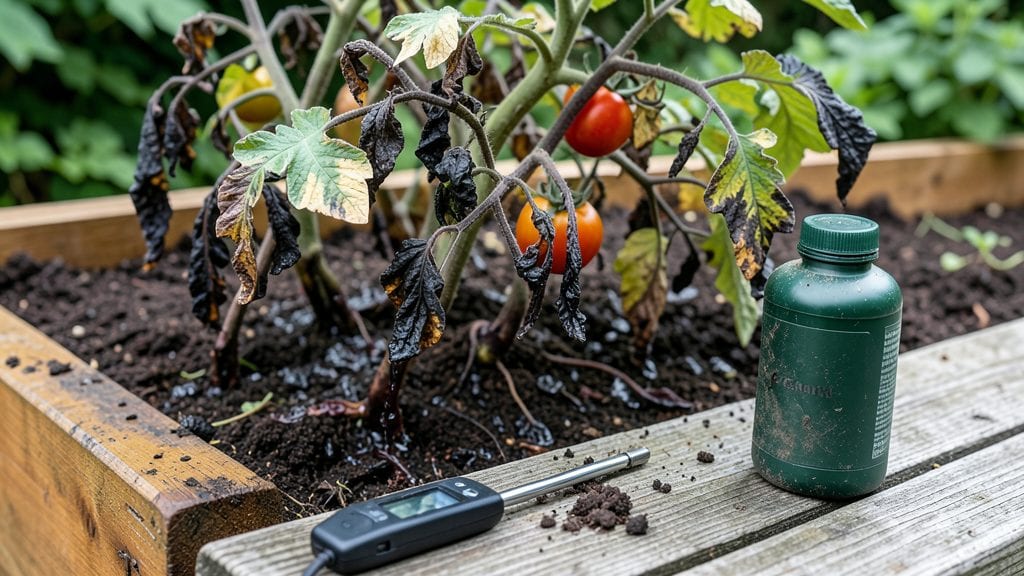
Mold in your garden isn’t just unsightly—it’s a silent thief stealing your plants’ energy and beauty. ✨ I’ve battled everything from fuzzy powdery mildew on roses to slimy downy spots on tomatoes, and I’ve learned the natural barriers that stop it before it starts.
The key isn’t just treating the mold after it appears; it’s creating conditions where it can’t take hold in the first place.
Most mold thrives on damp leaves, stagnant air, and crowded plants—basically, the opposite of what healthy gardens need. Proper spacing, improved airflow, and even reflective mulch can make all the difference.
I’ve tested everything from copper sprays to baking soda mixtures, but the real game-changer? Preventing the problem before it begins with simple, sustainable tweaks.
You’ll walk away with a garden where mold struggles to survive—lush, vibrant plants that stay strong all season. The secret lies in combining physical barriers, like row covers, with organic sprays that deter spores without harming beneficial insects. Even stubborn cases can turn around in just a few applications.
Works for vegetables, flowers, and shrubs alike—no matter your garden’s size or layout. Let’s keep those plants thriving without the moldy mess.
The Hidden Triggers Behind Fungal Growth
Mold isn’t just an eyesore—it’s a sneaky plant predator that thrives when conditions align like a perfect storm. Understanding why it takes root in your garden is the first step to stopping it before it spreads.
Below, we break down the science behind the most common causes, so you can spot the warning signs and act fast.
Mold spores are water-loving—they need moisture to germinate and grow. When your garden stays damp for too long, whether from rain, poor drainage, or overwatering, you’re basically rolling out the welcome mat for fungal invaders. Here’s why it’s such a big problem:
- Oxygen deprivation: Waterlogged soil suffocates plant roots, creating the perfect anaerobic (low-oxygen) environment where mold spores thrive. Think of it like a spa day for fungi—warm, wet, and cozy.
- Spore activation: Mold spores lie dormant until moisture triggers them. A single heavy rain or even morning dew can wake them up, leading to outbreaks within 24–48 hours.
- Organic buildup: Decaying leaves, mulch, or compost piles act as a nutrient buffet for mold when they’re kept too damp. The sugars and cellulose in organic matter feed fungal growth like fast food.
💡 Pro Tip: Test your soil’s moisture by squeezing a handful—if water drips out, it’s too wet. Aim for soil that feels like a wrung-out sponge, not a swamp.
Mold isn’t picky about temperature, but it does have preferences. Most garden molds (like Botrytis or Rhizoctonia) grow best between 60–85°F (15–29°C). Here’s how heat and cold play a role:
| Temperature Range | Mold Risk Level | Why It Matters |
|---|---|---|
| Below 50°F (10°C) | ⚠️ Low (but not gone) | Growth slows, but spores can still survive and explode when temps rise. Cold snaps preserve mold “seeds” for future outbreaks. |
| 60–85°F (15–29°C) | 🔥 High Alert | This is prime time for mold. Warmth speeds up spore germination and fungal metabolism, turning your garden into a petri dish. |
| Above 90°F (32°C) | ⚠️ Moderate (but stressed) | Extreme heat can kill some molds, but others adapt. However, dry conditions at these temps often reduce moisture—so it’s a double-edged sword. |
🌡️ Actionable Fix: If your garden is in the 60–85°F range and stays damp, reduce watering temporarily or use shade cloth to lower soil temps by 10–15°F.
Stagnant air is like a greenhouse for mold. When plants are crowded or mulch piles block circulation, humidity builds up, and spores get trapped in a moist, still environment—their dream scenario. Here’s how it happens:
- Condensation traps: Dense foliage or thick mulch layers create microclimates where water vapor condenses on leaves and stems, mimicking a 24/7 humidifier for mold.
- Spore concentration: Without airflow, mold spores can’t disperse, leading to localized outbreaks instead of widespread ones. This makes it harder to spot until it’s too late.
- Root stress: Poor airflow often means compacted soil, which restricts root breathing. Stressed roots weaken plants, making them more susceptible to fungal attacks.
✨ Solution: Prune overgrown plants, space them 12–18 inches apart, and avoid piling mulch more than 2–3 inches deep. A gentle fan on hot days can also disrupt mold-friendly humidity.
Healthy plants repel mold naturally. But when they’re stressed, injured, or nutrient-deficient, their defenses drop—and mold walks right in. Common triggers include:
- Nutrient deficiencies: Low nitrogen or phosphorus weakens cell walls, making plants easier targets for fungal invasion.
- Physical damage: Broken stems, torn leaves, or insect bites create entry points for spores. Think of it like a welcome mat with a “Kick Me” sign.
- Over-fertilization: Too much synthetic fertilizer can burn roots, while organic buildup (like old compost) may feed mold instead of plants.
- Transplant shock: Newly planted or recently moved plants are 3x more vulnerable to mold for the first 2–4 weeks as they adjust.
💪 Fix It: Boost plant resilience with balanced fertilizer (look for 10-10-10 NPK ratios) and avoid overwatering during recovery. Remove damaged foliage immediately to block mold entry.
Now that you know the why, the next step is prevention. Stay tuned to learn how to naturally disrupt mold’s favorite conditions—without harsh chemicals!
Quick Fixes for Fungal Foes
Mold in your garden isn’t just unsightly—it can strangle your plants before they even get a chance to thrive. But don’t reach for harsh chemicals just yet! With the right approach, you can banish mold naturally while keeping your garden lush and healthy.
Below, we’ve mapped out targeted solutions based on the most common causes of mold, from soggy soil to poor airflow. Plus, we’ll share prevention tips to stop it from creeping back in.
If your garden feels like a swamp, mold spores will throw a party. The fix? Drainage first, then dryness.
🔥 Step 1: Improve Soil Drainage
- Test your soil: Dig a small hole (6–8 inches deep) and fill it with water. If it drains in <1 hour, you’re okay. If not, amend your soil.
- Add organic matter: Mix in compost, coconut coir, or perlite to loosen heavy clay soil. Aim for 20–30% organic content.
- Raise beds: For chronically wet spots, consider elevated garden beds or mounding soil to create better airflow.
👨🍳 Step 2: Adjust Watering Habits
- Water deeply but less often: Drip irrigation or soaker hoses deliver moisture to roots without wetting leaves (where mold loves to cling).
- Water in the morning: This gives foliage time to dry before evening humidity rolls in.
- Avoid overhead sprinklers: They turn leaves into mold magnets. If you must use them, water early in the day.
✨ Prevention Tip
💡 Mulch smartly: Use straw or pine needles (avoid thick wood chips, which can trap moisture). Keep mulch 2–3 inches away from plant stems to prevent rot.
Piles of fallen leaves, grass clippings, or plant debris create the perfect mold incubator. Clear them out, then keep your garden tidy.
🔪 Step 1: Clear the Clutter
- Rake up debris: Remove leaf litter, dead plants, and weeds from garden beds and around plants.
- Compost correctly: If composting, turn piles frequently and keep them under 3 feet tall to prevent heat buildup (which can kill beneficial microbes).
🌡️ Step 2: Boost Airflow
- Prune plants: Trim overgrown branches to increase circulation between plants.
- Space plants properly: Follow spacing guidelines for your plant types (check seed packets or plant tags).
- Use trellises: For vining plants like cucumbers or beans, train them upward to keep foliage off the ground.
🎯 Prevention Tip
🌿 Rotate crops: Avoid planting the same family of plants (e.g., tomatoes, peppers) in the same spot yearly. This reduces soil-borne mold spores.
Mold thrives in low-light, high-humidity environments. If your garden is a shady love nest for spores, it’s time to tweak the conditions.
🍳 Step 1: Increase Sun Exposure
- Prune nearby trees/shrubs: Even a few hours of direct sunlight can dry out foliage faster.
- Choose sun-loving plants: Swap out moisture-loving plants (like ferns) for drought-tolerant varieties (e.g., lavender, rosemary, succulents).
- Use reflective surfaces: Place light-colored mulch or gravel near plants to bounce sunlight onto leaves.
💨 Step 2: Reduce Humidity
- Add a fan: A gentle outdoor fan on a timer can improve airflow around plants.
- Plant drought-resistant ground covers: Options like creeping thyme or clover dry out faster than traditional grass.
- Avoid watering at night: Evening moisture + humidity = mold paradise.
✨ Prevention Tip
🔥 Use row covers: Lightweight fabric covers can protect seedlings from excess moisture while still allowing sunlight through.
If mold has already taken hold, act fast with these natural treatments to save your plants.
🌿 Step 1: Remove Infected Parts
- Snip off moldy leaves: Use sterilized scissors to cut away affected areas (don’t compost them—toss in the trash).
- Disinfect tools: Wipe blades with rubbing alcohol or a 10% bleach solution between cuts.
🍯 Step 2: Apply Natural Fungicides
| Treatment | How to Use | Frequency |
|---|---|---|
| Neem Oil | Mix 1 tbsp neem oil + 1 tsp mild soap in 1 quart water. Spray on leaves. | Every 7–10 days |
| Baking Soda Spray | Dissolve 1 tbsp baking soda + 1 tsp soap in 1 gallon water. Spray undersides of leaves. | Weekly until mold disappears |
| Hydrogen Peroxide | Use 3% solution (1 part H₂O₂ + 3 parts water). Spray directly on mold spots. | Every 3–4 days |
| Copper Fungicide | Follow label instructions for organic copper-based sprays. | As directed |
🔄 Step 3: Strengthen Plant Immunity
- Feed with compost tea: Brew a compost tea (steep compost in water for 24–48 hours, strain) and water plants with it.
- Use beneficial microbes: Add mycorrhizal fungi or Trichoderma to soil to outcompete harmful mold.
💡 Pro Tip
🌡️ Heat therapy: For severe cases, place pots in direct sunlight for a few hours to raise leaf temperatures—mold struggles at >90°F.
With these targeted fixes, your garden can go from moldy mess to thriving oasis in no time. The key? Act fast, improve airflow, and keep things dry. And remember—prevention is your best tool. Stay vigilant, and your plants will thank you with bold, healthy growth!
Frequently asked questions about garden mold
What are the first signs of mold in my garden?
Look for fuzzy white, gray, or black spots on leaves, stems, or soil—common signs include powdery mildew (white dust) or downy mildew (slimy patches). Check undersides of leaves first, as mold often starts there. Early detection helps prevent spread before it damages plants.
Can I still use plants affected by mold?
Prune off moldy parts immediately and discard them (don’t compost). For minor cases, healthy plants can recover with proper airflow and fungicide sprays. Severe infections may require removing the entire plant to protect others.
How often should I spray preventive treatments?
Apply natural fungicides like neem oil or baking soda spray every 7–14 days during humid seasons. Reduce frequency in dry weather. Consistency matters more than frequency—focus on maintaining dry foliage and good airflow.
Will mulch make mold worse in my garden?
Only if it’s too thick or wet. Use 2–3 inches of straw or pine needles, keeping it away from plant stems. Avoid wood chips in damp areas—they trap moisture. Proper mulch actually improves soil health while deterring mold.
Can I use vinegar to treat garden mold?
Yes! Mix 1 part white vinegar with 3 parts water and spray on leaves (avoid direct sun exposure). Repeat every 5–7 days until mold clears. Vinegar’s acidity disrupts fungal growth without harming plants.