
Tools
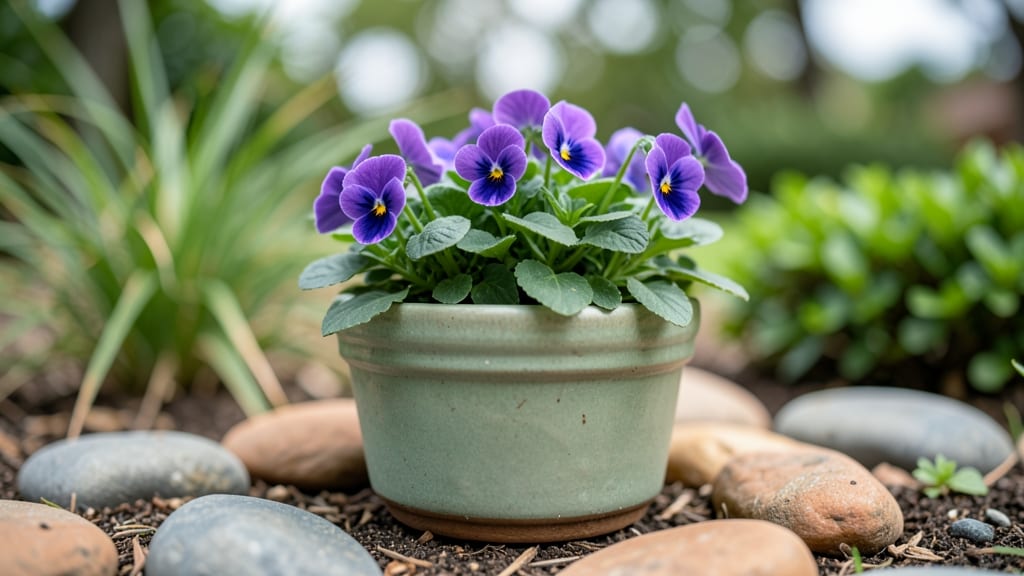
A mini flower garden on your balcony can turn a tiny space into a burst of color and life—without needing a yard or even much sunlight. I transformed my concrete ledge into a thriving display using just a few containers and plants that love vertical spaces.
The key is choosing the right mix of sun-loving annuals and shade-tolerant perennials that won’t outgrow their home too quickly.
You’ll need containers with drainage, lightweight potting mix, and plants that fit your light conditions—think petunias, ferns, or trailing ivy for shade, or sunflowers and geraniums for bright spots. A 5-gallon pot can hold a small shrub, while window boxes and wall-mounted planters maximize every inch.
The best part? These gardens stay manageable, so you’re not drowning in deadheading or weeding.
Imagine waking up to vibrant blooms spilling over your railing, or a fragrant cascade of sweet alyssum framing your door. With the right arrangement, your mini garden can bloom from spring through fall, attracting butterflies and hummingbirds to your urban oasis.
The secret is grouping plants by height and color—tall flowers at the back, trailing ones in front, and bold hues that pop against your balcony walls.
This works for any space, from a cramped city apartment to a sunny patio. Start small, experiment with textures, and don’t be afraid to mix heights or containers. The goal isn’t perfection—it’s creating a little slice of joy that feels uniquely yours.
📚 In This Guide
- What you need
- Instructions
- Tips and common mistakes
- Wrapping up and next steps
What you need
- ● Vertical Planter: Choose a wall-mounted, hanging, or freestanding planter (e.g., fabric pocket planter, wooden crate, or modular grid system). Size varies—start with a 12"–24" section for a small garden.
- ● Potting Soil: 1–2 gallons of lightweight, well-draining mix for containers (avoid garden soil—it compacts!). Look for blends labeled "potting mix" or "seed starting mix."
- ● Flowers: Pick compact, trailing, or bushy varieties suited for containers: Succulents (e.g., Sedum, Echeveria)
- ● Herbs (e.g., Thyme, Oregano—bonus: edible blooms!)
- ● Annuals (e.g., Petunias, Begonias, Nasturtiums)
- ● Perennials (e.g., Fuchsia, Lobelia)
- ● Watering Can or Spray Bottle: A 1–2 quart can with a rose nozzle for gentle watering (or a spray bottle for seedlings).
- ● Fertilizer: Balanced liquid fertilizer (e.g., 10-10-10 or 20-20-20) or slow-release granules for containers.
- ● Hooks/Screws: If mounting to a wall or fence, grab stainless steel hooks or L-brackets (ensure they’re rated for your planter’s weight).
- ● Pruning Shears: Small, sharp bypass pruners for trimming dead foliage or shaping plants.
- ● Drip Irrigation Kit: Automate watering with a self-watering system or wicking fabric for hands-off care.
- ● Mulch: 1–2 inches of orchid bark or gravel to retain moisture and deter weeds.
- ● LED Grow Lights: If your space lacks sunlight, a 12–15W full-spectrum LED (on a timer) keeps plants thriving.
- ● Decorative Elements: Add pebbles, moss, or fairy lights for a whimsical touch!
- ● Plant Labels: Chalkboard tags or waterproof markers to track varieties.
Instructions for creating a stunning mini flower garden in vertical space
Transform your balcony into a vibrant floral display using vertical techniques that maximize space.
Select and Prepare Your Vertical Structure
Choose a lightweight, weather-resistant structure like a wall-mounted trellis, hanging pockets, or tiered shelves that can support 4 plants. Ensure it’s securely anchored to prevent tipping in wind. I prefer galvanized metal or powder-coated frames—they resist rust and last seasons. If using a wooden frame, seal it with outdoor-grade paint to prevent moisture damage.
Position your structure where it receives at least 6 hours of sunlight daily. South-facing balconies work best, but west-facing spots also provide sufficient light for sun-loving annuals like petunias or geraniums. Avoid north-facing areas unless you’re growing shade-tolerant varieties like impatiens or begonias. Test the spot for a full day before planting to confirm light exposure matches your chosen flowers’ needs.
Choose Complementary Flowers and Containers
Select 4 compact, trailing, or bushy annuals that thrive in containers and complement each other in height, color, and bloom time. For example, pair petunias (12-inch tall) with nasturtiums (6-inch tall, trailing) and bacopa (8-inch tall, cascading). Use 4-inch diameter containers for bushy types and 6-inch hanging baskets for trailing varieties to prevent overcrowding.
Fill each container with 2 cups of lightweight potting mix per plant, amended with 1 tablespoon of slow-release fertilizer. Avoid garden soil—it compacts easily in containers and suffocates roots. Press the mix gently into the bottom of each container to eliminate air pockets, then water until moisture drains freely from the bottom. This ensures roots establish quickly without sitting in soggy conditions.
Plant with Precision for Vertical Growth
Dig a hole in each container twice as wide as the root ball but no deeper than the plant’s current soil line. Gently remove the plant from its nursery pot, loosen the roots if they’re circling, and place it in the hole. Fill the gap with additional potting mix, pressing lightly to secure the plant without compacting the soil. For trailing varieties, position them near the edge of hanging baskets or the front of vertical pockets to encourage cascading growth.
Water each newly planted container until water runs freely from the drainage holes. This settles the soil and eliminates air gaps around the roots. Avoid wetting the foliage—damp leaves invite fungal diseases like powdery mildew. Mulch the soil surface with ¼ inch of ornamental gravel to retain moisture and deter weeds. Space your plants 4-6 inches apart to allow airflow and prevent overcrowding as they mature.
Optimize Watering and Light for Vertical Blooms
Water your vertical garden every 2-3 days until the top inch of soil feels dry. Trailing plants in hanging baskets dry out faster, so check them daily during hot weather. Use a gentle watering can with a narrow spout to direct moisture to the soil without disturbing the plants. Overwatering is the fastest way to kill container flowers—always ensure excess water drains away completely.
Rotate your vertical structure quarter-turn weekly so all sides receive even sunlight. This prevents plants from leaning toward the light and ensures uniform growth. If your balcony receives intense afternoon sun, provide light shade cloth during peak hours (12 PM–4 PM) to protect delicate petals from scorching. You’ll notice stronger stems and more vibrant blooms when plants grow evenly in all directions.
Maintain and Encourage Continuous Blooms
Deadhead spent blooms weekly by pinching off faded flowers with your fingers or clean pruners. This redirects the plant’s energy into producing new blooms instead of seeding. For trailing varieties, trim leggy stems back by one-third to encourage bushier growth. Fertilize every 4 weeks with a balanced liquid fertilizer (10-10-10) diluted to half-strength to avoid burning roots in confined containers.
Monitor for pests like aphids or spider mites, which thrive in crowded vertical spaces. Spray affected areas with neem oil solution (1 tablespoon per quart of water) at dusk to avoid harming beneficial insects. With consistent care, your vertical garden will burst into color within 4-6 weeks, creating a lush, fragrant display that maximizes your balcony’s potential.
Tips & tricks for perfect vertical flower gardens
Creating a thriving vertical flower garden isn't just about aesthetics—it's about strategic planning that maximizes your balcony's potential. Here are the key insights that will help you avoid common pitfalls and achieve that showstopping floral display.
Location is Everything: The 6 hours of sunlight requirement isn't just a suggestion—it's non-negotiable for most annuals. I've seen petunias struggle to bloom properly with less than 5 hours of direct sun, while nasturtiums can tolerate slightly less but still need at least 4 hours. Test your spot for a full day before committing—shadows from nearby buildings or trees can significantly reduce light exposure, especially during summer solstice when days are longest.
Container Selection Matters More Than You Think: While the instructions mention 4-inch and 6-inch containers, I recommend adding a third size—8-inch pots—for your tallest varieties like petunias. The extra depth gives roots room to establish without becoming root-bound too quickly. For hanging baskets, choose ones with built-in saucers to catch drainage and prevent water damage to your balcony surface. The weight distribution of trailing plants can also affect stability, so opt for sturdy, wide-mouth baskets that won't tip easily when full of water.
Root Ball Preparation Prevents Common Failures: When loosening circling roots in Step 3, I've found that using a butter knife or your fingers to gently separate the roots creates better root-to-soil contact than simply pulling the plant out. This small adjustment can mean the difference between plants that thrive and those that wilt within weeks. Also, consider adding a handful of perlite to your potting mix—it improves drainage without sacrificing moisture retention, which is crucial for container gardening where roots have limited space to access water.
Watering Wisdom for Vertical Success: The 2-3 day watering schedule works perfectly in moderate climates, but I've learned the hard way that trailing plants in hanging baskets can dry out in as little as 12 hours during heatwaves. Keep a spray bottle handy to mist leaves during extreme heat, but avoid getting water on flowers to prevent fungal issues. For the quarter-turn weekly rotation, I mark each side of my structure with a small piece of colored tape—this visual cue helps me remember which direction I last rotated and prevents over-rotation that can stress plants.
Pro Tips for Mini Flower Garden
- Creating a thriving vertical flower garden isn't just about aesthetics—it's about strategic planning that maximizes your balcony's potential.
- Location is Everything: The 6 hours of sunlight requirement isn't just a suggestion—it's non-negotiable for most annuals.
- Container Selection Matters More Than You Think: While the instructions mention 4-inch and 6-inch containers, I recommend adding a third size—8-inch pots—for your tallest varieties like petunias.
Frequently asked questions
Got questions about creating your own mini flower garden? You’re not alone! Here are answers to the most common queries to help you grow confidently—whether you’re a beginner or just looking for quick tips.
How much sunlight does a mini flower garden need?
Most mini flower gardens thrive with 4–6 hours of direct sunlight daily. If your balcony gets less, opt for shade-tolerant blooms like ferns, impatiens, or begonias. South- or west-facing spots are ideal, but east-facing works too—just choose sun-loving varieties like petunias or marigolds.
How often should I water my mini flower garden?
Watering depends on your setup, but a general rule is every 2–3 days for most flowers. Check soil moisture with your finger—if the top inch feels dry, it’s time to water. Self-watering planters or wicking systems reduce effort, while hanging gardens may dry faster. Morning watering prevents evaporation and fungal issues.
Can I use regular potting soil for my mini flower garden?
Yes, but amend it for better drainage. Mix potting soil with perlite, vermiculite, or coconut coir (20–30%) to prevent root rot. For nutrient-dense blooms, add a slow-release fertilizer or compost. Avoid garden soil—it compacts easily and lacks the aeration mini gardens need.
How do I protect my mini flower garden in cold weather?
Most annuals die in frost, but hardy perennials (like pansies or ornamental kale) can survive light freezes. Move pots indoors or wrap them in bubble wrap for insulation. Elevate containers off cold surfaces (like concrete) and reduce watering. If temps drop below 20°F, cover with frost cloth or bring tender plants inside.
What are the best flowers for a small-space garden?
Prioritize compact, high-impact blooms like:
- Petunias (trailing or bush varieties)
- Begonias (shade-tolerant and colorful)
- Nasturtiums (edible, pest-repellent, and fast-growing)
- Calibrachoa (mini petunia lookalikes with big color)
- Succulents (like sedum or echeveria for drought-proof greenery)
Wrapping up and next steps
Creating a mini flower garden on your balcony is more than just a creative project—it’s a rewarding way to bring nature closer and transform even the smallest space into a vibrant oasis. 🌸 Whether you're a seasoned gardener or just starting out, vertical gardening opens up endless possibilities for beauty, sustainability, and joy.
Now that you’ve got the tools, tips, and answers to common questions, it’s time to take the leap—start small, experiment fearlessly, and watch your balcony bloom!
Ready to dive in? Pick your favorite flowers, gather your supplies, and let your green thumb shine! 🌱