
Landscaping
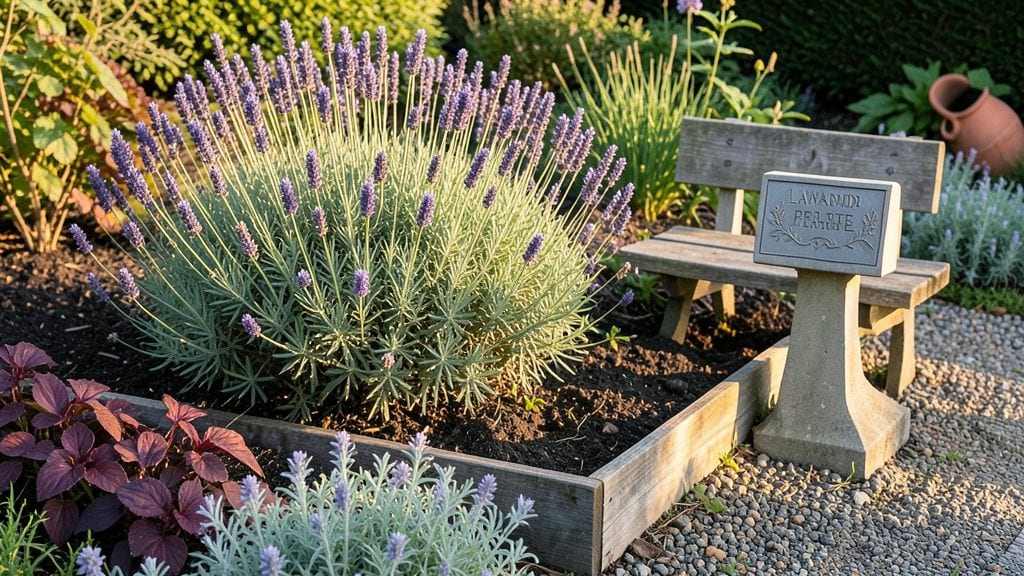
A memorial garden design transforms grief into a living tribute where every plant and path tells their story. 🌿 I still remember the first time I walked through my mother's garden—her favorite roses climbing the trellis, the bench where we'd sit for morning coffee, and the quiet space that now feels like a conversation.
This isn't just landscaping; it's creating a sanctuary where memories bloom alongside the flowers.
The key is balancing permanence with seasonal change—evergreens for year-round structure, blooming flowers for color, and textures like smooth stones or weathered wood for tactile connection. Low-maintenance plants like lavender, boxwood, or ornamental grasses keep it manageable while allowing the garden to evolve naturally.
Think of it as a living timeline: each plant represents a moment, a season, or a shared memory.
You'll end up with a space that feels uniquely theirs—perhaps a winding path to a favorite spot, an engraved stone with their name, or a bench facing the sunset they loved.
The beauty lies in the details: the way sunlight filters through leaves, the scent of jasmine at dusk, or the quiet rustle of wind through ornamental grasses. It becomes a place for reflection, not just decoration.
Perfect for any yard size or climate, from urban balconies to sprawling backyards. The goal isn't perfection—it's creating a garden that grows with your heart, just like the plants themselves. Let's bring their story to life, one thoughtful choice at a time.
📚 In This Guide
- What you need
- Instructions
- Tips and common mistakes
- Wrapping up and next steps
What you need
- ● Soil & Amendments: Topsoil (2–4 cubic yards, depending on garden size)
- ● Compost (1–2 bags, for nutrient-rich soil)
- ● Mulch (3–5 bags, cedar or pine preferred for durability)
- ● Planting Supplies: Perennials (e.g., lavender, roses, or native wildflowers—5–10 plants)
- ● Shrubs or small trees (1–3, depending on design)
- ● Ornamental grasses (3–5 clumps, for texture)
- ● Memorial markers (custom engraved stones or plaques, 1–3)
- ○ Hardscaping (Optional but Impactful): Gravel or decomposed granite (1–2 tons, for pathways)
- ● Stepping stones (3–6, for walkways)
- ● Benches or seating (1–2, weather-resistant wood or metal)
- ● Lighting (solar-powered path lights or uplighting, 4–6)
- ● Tools: Shovel and spade (1 each)
- ● Garden trowel (1)
- ● Wheelbarrow (1, for hauling materials)
- ● Pruners (1 pair, for shaping plants)
- ● Measuring tape (1, for precision)
- ● Garden gloves (1–2 pairs, for comfort)
- ● Location: Choose a spot with partial sun (4–6 hours/day) for most plants, or full shade if preferred.
- ● Drainage: Ensure the area isn’t prone to waterlogging—amend soil with sand if needed.
- ● Local Regulations: Check for permits if adding structures (e.g., benches, fences).
- ● Personal Touches: Gather photos, keepsakes, or heirlooms to incorporate into the design.
Step-by-step instructions for designing a memorial garden
Creating a meaningful space doesn't require landscaping expertise—just intention and these simple steps.
🪴 Step 1: Choose a Quiet, Meaningful Location
Select a spot that feels special—perhaps where your loved one enjoyed time outdoors, or near a window they loved. Avoid high-traffic areas where the garden might get disturbed. I always look for natural shade from existing trees, which creates a peaceful atmosphere without extra work. Measure the space carefully; a 6x6-foot area is perfect for intimate seating and plants.
Check sunlight patterns throughout the day. Most memorial gardens thrive with 4-6 hours of morning sun, which is gentle and less harsh than afternoon rays. If your space gets intense afternoon sun, opt for shade-tolerant plants like ferns or hostas. Avoid spots where water collects—poor drainage leads to root rot and unhappy plants.
🌿 Step 2: Select Plants With Personal Significance
Choose plants that hold meaning—perhaps their favorite flowers, a tree they loved, or symbols of their life journey. I recommend starting with 3-5 types of plants to keep maintenance manageable. For example, a rosemary bush (symbolizing remembrance) paired with lavender (calming and drought-resistant) creates a fragrant, low-maintenance combination.
Include at least one evergreen plant like boxwood or juniper for year-round structure. If they enjoyed color, add seasonal blooms like coneflowers or black-eyed Susans for summer beauty. Avoid anything with thorns or sticky sap—this garden should be a place of comfort, not irritation. Label each plant with its name and a brief note about why it was chosen.
✂️ Step 3: Create a Focal Point and Seating Area
Build a focal point around a bench, stone, or small sculpture—something that invites quiet reflection. A simple 3-foot-tall stone or a wooden bench works beautifully. If you're including a memorial plaque, place it where it’s visible but not overwhelming. I like to position it near the center of the garden, surrounded by low-growing plants like creeping thyme or sedum.
Add a gravel path (about 2 feet wide) leading to the seating area—it defines the space and makes maintenance easier. Use small, smooth stones in neutral tones to keep the focus on the plants. If you want to add lighting, install solar-powered path lights along the edges for a soft glow in the evenings.
💧 Step 4: Layer Plants and Add Finishing Touches
Arrange plants in three layers: tall in the back (like ornamental grasses), medium-height in the middle (such as shrubs), and low-growing plants in front (like ground covers). This creates depth and makes the space feel intentional. Space plants 12-18 inches apart to allow room for growth without crowding.
Add finishing touches like a small birdbath (for wildlife and tranquility) or a wind chime (if they enjoyed music). Mulch the area with 2-3 inches of shredded bark to suppress weeds and retain moisture. Water deeply after planting, then once a week unless it rains—memorial gardens should feel cared for, not labor-intensive.
☀️ Step 5: Maintain the Garden With Thoughtful Care
Schedule monthly visits to check for weeds, dead leaves, or overgrown plants. Prune lightly in early spring to encourage new growth, but avoid heavy trimming—this garden is about preservation, not perfection. I like to add a few fresh flowers seasonally (like daffodils in spring or mums in fall) to keep the space feeling alive and vibrant.
If you’re including a memorial plaque, clean it gently with a soft cloth and mild soap twice a year. Avoid harsh chemicals—they can damage the stone and detract from the peaceful vibe. Over time, the garden will evolve naturally, just like memories do. The goal isn’t a perfect landscape; it’s a place where love lingers.
Tips & tricks for creating a meaningful memorial garden
Here's what I've learned from designing these spaces—small details that make all the difference in creating a garden that truly honors your loved one.
Location is Everything: When choosing your 6x6-foot area, consider not just the physical space but the emotional connection. I once designed a garden near a window my father loved—it became his favorite spot to sit during his final years. If possible, visit the location at different times of day to observe how the light changes and how it feels in each moment. Morning light is especially gentle, which aligns perfectly with the 4-6 hours of morning sun recommendation for most memorial plants.
Symbolic Plant Pairing: The 3-5 types of plants suggestion isn't just about aesthetics—it's about creating a living tribute. I recommend pairing plants with personal significance, like a rosemary bush (for remembrance) with something fragrant like lavender. For extra meaning, include a plant that represents their favorite season—like coneflowers for summer if they loved warm weather. The key is to keep it manageable while making every plant meaningful.
Focal Point Placement: Your 3-foot-tall stone or wooden bench should be positioned where it feels like the natural center of attention, not just visually but emotionally. I like to imagine standing in the garden and asking: "Where would I want to sit and reflect?" Often, this instinctive spot aligns with the center of your 6x6-foot area. For extra impact, surround it with 12-18 inches of low-growing plants like creeping thyme—they frame the focal point beautifully while staying unobtrusive.
Low-Maintenance Touches: The 2-3 inches of shredded bark mulch does more than just suppress weeds—it creates a professional finish that shows care without requiring constant attention. For even easier maintenance, consider grouping plants with similar water needs together. I've found that placing shade-tolerant plants (like hostas) near the 3-foot-tall stone reduces watering frequency, since they won't dry out as quickly in that shaded spot. The once-a-week watering guideline works perfectly if you water deeply each time.
Pro Tips for Memorial Garden Design
- Here's what I've learned from designing these spaces—small details that make all the difference in creating a garden that truly honors your loved one.
- Location is Everything: When choosing your 6x6-foot area, consider not just the physical space but the emotional connection.
- Symbolic Plant Pairing: The 3-5 types of plants suggestion isn't just about aesthetics—it's about creating a living tribute.
Frequently asked questions
Got questions about creating a meaningful memorial garden?
Here are answers to some of the most common ones to help you design a space that truly honors your loved one.
What’s the best time of year to start planning a memorial garden?
The ideal time depends on your climate, but spring or early fall are popular choices. Spring lets you take advantage of mild weather and growing seasons, while fall offers cooler temperatures and fewer pests. If you’re working with perennials, planting in early spring ensures they establish strong roots before summer heat.
Do I need professional help, or can I DIY a memorial garden?
You can absolutely DIY a memorial garden! Many people start small with personal touches like engraved stones, hand-planted flowers, or a simple bench. However, if you’re designing a larger space with hardscaping (like pathways or water features), consulting a landscape designer can save time and ensure durability. Consider a hybrid approach—plan yourself and hire help for complex elements.
What are low-maintenance plants for a memorial garden?
Opt for drought-tolerant, perennial plants that require minimal upkeep, such as:
- Lavender (fragrant, pest-resistant, thrives in sunny spots)
- Ornamental grasses (elegant, hardy, and low-water)
- Sedum (stonecrop) (succulent, drought-proof, great for borders)
- Roses (symbolic and long-lasting with proper care)
Native plants are also excellent—they’re adapted to your local climate and support pollinators.
How can I make my memorial garden accessible for visitors with mobility issues?
Prioritize smooth, wide pathways (at least 3 feet wide) made of gravel, pavers, or compacted soil to accommodate wheelchairs or walkers. Add raised beds if gardening is part of the experience, and ensure benches or seating areas are placed along the route. Avoid steep slopes, and consider tactile paving near key features (like a memorial plaque) to assist visually impaired visitors.
What if I’m unsure what to include? How do I personalize the space?
Start by reflecting on your loved one’s interests, personality, or favorite things. For example:
- Did they love butterflies? Plant milkweed or coneflowers.
- Were they a gardener? Include their favorite herbs or vegetables.
- Did they enjoy quiet reflection? Add a small fountain or wind chime.
- Include photos, handwritten notes, or small trinkets in a decorative planter or near a bench.
There’s no “wrong” way—let the garden evolve as your memories grow.
Wrapping up and next steps
Creating a memorial garden design is a deeply personal way to honor a loved one while crafting a serene, meaningful space. Whether you choose lush greenery, symbolic plants, or thoughtful seating, the key is to blend beauty with intention—making every element reflect their memory. 🌿
Ready to bring your vision to life? Start small—sketch a rough layout, gather a few meaningful plants, or even plant a single tree as a first step. Over time, your garden will grow into a living tribute, offering peace and comfort for years to come.