
Tools
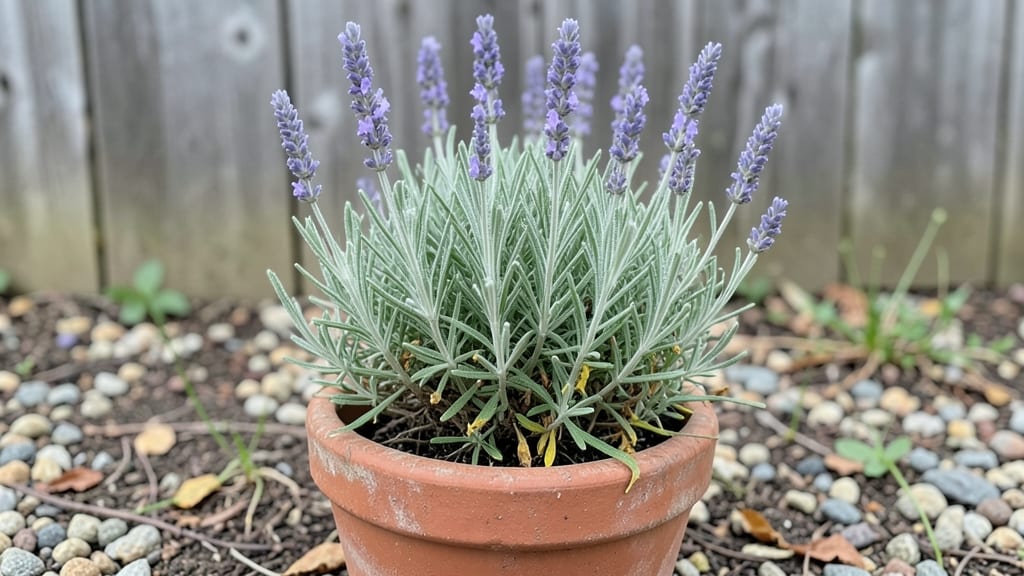
A Mediterranean-style garden brings the sun-drenched charm of coastal villages to your yard, where every plant and path feels like a holiday escape. 🌿 I’ve designed these spaces for years, and the secret lies in layering textures—rough stone, smooth terracotta, and fragrant herbs—that work together even when you’re not there to tend them.
The key elements are simple: drought-tolerant plants like lavender and rosemary, stone pathways that guide you through sunlit layers, and pergolas that create dappled shade.
You’ll need a mix of sun-loving perennials, evergreen shrubs, and structural hardscaping—think rustic wood and weathered stone—to pull it all together without fuss.
What you end up with is a garden that thrives on neglect, stays cool in summer, and smells like a Provençal breeze year-round. The colors—soft whites, sage greens, and cobalt blues—create that effortless, sunlit look, while the layout works for both cozy courtyards and sprawling backyards.
Whether you’re working with a small balcony or a full-acre plot, the principles stay the same: prioritize low-water plants, textured surfaces, and open sightlines to keep that signature Mediterranean ease. Let’s build yours step by step!
📚 In This Guide
- What you need
- Instructions
- Tips and common mistakes
- Wrapping up and next steps
What you need
- ● Hardscaping: Flagstone or slate tiles (50–100 sq. ft., 1–2" thick)
- ● Gravel (50–100 lbs., ½"–¾" pea gravel for pathways)
- ● Sand (20–30 lbs., for leveling and jointing)
- ● Cobblestones or terracotta pavers (20–50 pieces, 4"–6" diameter)
- ● Plants & Flora: Drought-tolerant shrubs (e.g., rosemary, lavender, olive trees – 3–5 plants)
- ● Herbs (basil, thyme, oregano – 1 plant per type)
- ● Climbing vines (bougainvillea, jasmine – 2–3 vines)
- ● Annuals (geraniums, marigolds, snapdragons – 10–15 plants)
- ● Citrus trees (dwarf lemon or orange – 1–2, if climate permits)
- ● Structures & Decor: Terracotta pots (6–10, 10"–14" diameter)
- ● Wrought-iron or wooden trellises (2–3, 4'–6' tall)
- ● Stone or wooden benches (1–2, weather-resistant)
- ● Outdoor rugs (1–2, fade-resistant, neutral tones)
- ● Wind chimes or hanging lanterns (2–4, rustic metal or ceramic)
- ● Shovel and garden fork (for digging and aerating)
- ● Wheelbarrow (for hauling materials)
- ● Level and measuring tape (for precise hardscaping)
- ● String line and stakes (for marking layouts)
- ● Pruners and shears (for shaping plants)
- ● Garden hose with spray nozzle (for watering)
- ● Wheelbarrow or dolly (for moving heavy stones/pots)
- ○ Optional: Stamp or textured roller (for patterned gravel pathways)
- ● 🌡️ Climate Check: Ensure your zone supports Mediterranean plants (USDA Zones 7–10 ideal).
- ● 💡 Sunlight: Pick a south- or west-facing spot for 6+ hours of sun daily.
- ● 🎯 Drainage: Mediterranean gardens hate soggy soil—amend with gravel or sand if needed.
- ● 🔥 Soil Prep: Mix in compost (2–3 inches) for nutrient-rich, well-draining beds.
- ○ Optional: Install a drip irrigation system (saves water and mimics natural rainfall).
Step-by-Step instructions for designing a Mediterranean-style garden
Transform your space into a vibrant retreat with this layered approach—where sun-drenched plants thrive year-round.
🌿 Step 1: Define Your Sunlit Zones and Layout
Mediterranean gardens thrive in full sun to partial shade, so map your space first. I start by identifying the hottest, driest areas—these become the anchor spots for drought-tolerant shrubs like rosemary, lavender, and olive trees. Use a string line and stakes to sketch a rough outline of your central pathway (usually 3-4 feet wide) to create natural movement through the space.
Next, divide the remaining area into three layers: foreground (ground covers and bulbs), midground (shrubs and perennials), and background (tall grasses, small trees, or structural plants). The key here is height variation—taller elements should never block the view of the house or key focal points. I like to place the tallest plants at the back and work downward, ensuring each layer gets at least 6 hours of sunlight daily.
🪴 Step 2: Install Hardscaping and Pathways
Mediterranean gardens rely on rustic, weathered materials like flagstone, gravel, or crushed limestone for pathways and patios. Lay down a 2-inch base layer of compacted gravel before adding your chosen hardscape to ensure proper drainage—water pooling is the enemy of Mediterranean plants. For pathways, I opt for stepping stones spaced 18-24 inches apart, surrounded by pebbles or sand to mimic natural landscapes.
Incorporate low walls or raised beds (built with cinder blocks or stacked stone) to define planting areas and add texture. These also create microclimates—slightly sheltered spots where tender plants like herbs or citrus can thrive in cooler zones. Avoid smooth, sealed surfaces; instead, use rough-textured materials that absorb heat during the day and release it slowly at night.
☀️ Step 3: Plant Drought-Tolerant Layers for Structure and Color
Start with evergreen shrubs like olive trees, bay laurels, or dwarf citrus as your backbone plants—they provide year-round structure and contrast beautifully with seasonal bloomers. Plant these 12-18 inches apart to allow airflow and prevent disease. Next, add mid-height perennials such as lavender, salvia, or rosemary, spacing them 18-24 inches apart for a lush, textured look.
For the foreground, mix bulbs (like daffodils or crocuses) with low-growing ground covers such as thyme, creeping phlox, or sedum. These plants not only fill space but also suppress weeds naturally. Mulch with 3-4 inches of gravel or coarse sand to conserve moisture and mimic the Mediterranean landscape’s mineral-rich soil. Water deeply once a week after planting to encourage deep root growth—this ensures plants establish quickly and require less maintenance later.
✂️ Step 4: Add Focal Points and Seasonal Accents
Introduce three key focal points—such as a sculpture, fountain, or arbors draped with jasmine—to draw the eye and create depth. In Mediterranean gardens, water features (even small ones) add a sense of tranquility while attracting birds and beneficial insects. Place these in slightly shaded areas to reduce evaporation and keep the space cooler in summer.
For seasonal interest, incorporate annuals like geraniums, snapdragons, or marigolds in terracotta pots or woven baskets. These add pops of color and can be swapped out every few months to keep the garden feeling fresh. I also include dried grasses or eucalyptus in vases or loose arrangements for a textured, natural look that transitions seamlessly from summer to winter.
💧 Step 5: Establish a Low-Maintenance Watering System
Mediterranean plants hate soggy roots, so install a drip irrigation system with emitters spaced 12-18 inches apart. Run lines along pathways or bury them under mulch for a clean look. Set the system to deliver 1-1.5 gallons per hour and water deeply 2-3 times per week during the first growing season to encourage deep root development. After establishment, reduce to once a week or less—most Mediterranean plants thrive on infrequent, deep watering rather than frequent shallow drinks.
For areas without irrigation, group plants with similar water needs together. For example, lavender and rosemary (drought-tolerant) should never be planted near herbs like parsley or cilantro, which prefer moisture-retentive soil. A 5-gallon bucket with a soaker hose is my go-to for spot-watering in small gardens—it’s portable, efficient, and prevents waste.
Tips & tricks for perfect Mediterranean-style garden design
Creating a Mediterranean garden that thrives year-round takes more than just planting drought-tolerant shrubs—it's about understanding the subtle details that make this style truly special.
Sunlight Strategy: The Mediterranean climate thrives on at least 6 hours of direct sunlight daily, but here's the thing: not all sun is equal. In Step 1, when mapping your zones, pay special attention to afternoon sun exposure—those intense late-afternoon rays can scorch tender plants. I always place heat-sensitive varieties like dwarf citrus in areas that receive morning sun but afternoon shade from nearby structures or taller plants. This simple adjustment prevents leaf burn while maintaining that signature Mediterranean look.
Hardscaping Hack: In Step 2, when installing your pathways, don't settle for just any gravel—opt for pebbles with varying sizes (¼-inch to ½-inch diameter) for your base layer. The larger stones create better drainage while the smaller ones fill gaps, mimicking natural landscapes. For pathways, I recommend stepping stones with rough, uneven edges rather than smooth flagstone. That texture helps prevent slipping while adding visual interest that complements the rustic aesthetic. The key is to avoid anything too polished; Mediterranean gardens should look effortlessly weathered.
Planting Precision: The spacing measurements in Step 3 are critical, but here's what nobody tells you: plant slightly deeper than the root ball for all shrubs and perennials. This encourages roots to spread outward rather than upward, creating a more stable plant. For lavender and rosemary, I go one step further and trim the top third of the plant immediately after transplanting. This redirects energy toward root establishment rather than leaf growth, resulting in bushier plants that establish faster. The 12-18 inch spacing then becomes even more effective as the plants fill out.
Watering Wisdom: The irrigation instructions in Step 5 are spot-on, but here's my pro tip: install a rain sensor that automatically shuts off your drip system during rainfall. Mediterranean plants hate soggy roots, and many automatic systems don't account for natural precipitation. I also recommend placing your emitters just below the soil surface rather than at ground level. This creates a more even moisture distribution and reduces evaporation, which is especially important during those hot summer afternoons when you're aiming for that once-a-week watering schedule.
Pro Tips for Mediterranean Style Garden
- Creating a Mediterranean garden that thrives year-round takes more than just planting drought-tolerant shrubs—it's about understanding the subtle details that make this style truly special.
- Sunlight Strategy: The Mediterranean climate thrives on at least 6 hours of direct sunlight daily, but here's the thing: not all sun is equal.
- Hardscaping Hack: In Step 2, when installing your pathways, don't settle for just any gravel—opt for pebbles with varying sizes (¼-inch to ½-inch diameter) for your base layer.
Frequently asked questions
Got questions about creating your own Mediterranean-style garden? You're not alone! Here are some of the most common queries—plus straightforward answers to help you get started with confidence.
What plants are essential for a Mediterranean garden?
A true Mediterranean garden thrives with drought-tolerant plants like lavender, rosemary, olive trees, and bougainvillea. Don’t forget hardy herbs such as thyme, oregano, and sage—they’re both beautiful and practical! Focus on native species to minimize water needs and maintenance.
How long does it take to establish a Mediterranean garden?
With proper planning, you’ll see results within 1–2 years. The first year focuses on soil prep, mulching, and planting perennials. By year two, you’ll enjoy lush greenery, fragrant blooms, and a low-maintenance space. Patience pays off—especially with slow-growing shrubs like rosemary or olive trees!
Can I create a Mediterranean garden in a shady or cool climate?
While Mediterranean gardens love sun, you can adapt by choosing shade-tolerant plants like fuchsia, heuchera, or ferns. Opt for containers to move plants as needed, and use light-colored gravel or reflective surfaces to mimic the sun’s warmth. Cool climates? Try cypress trees or boxwood for structure.
Is a Mediterranean garden more expensive than a traditional one?
Not necessarily! While materials like terracotta pots or stone pathways have upfront costs, they’re durable and low-maintenance. Prioritize native plants and mulch to cut water bills. Start small—focus on one sunlit area first—and expand over time. Think of it as an investment in beauty and sustainability!
How do I keep pests away without chemicals?
Mediterranean gardens are naturally pest-resistant thanks to aromatic herbs! Plant lavender near entryways to repel mosquitoes, and use marigolds to deter nematodes. Encourage beneficial insects like ladybugs with nectar-rich flowers. For stubborn issues, try neem oil or companion planting—nature’s pest control!
Wrapping up and next steps
A Mediterranean-style garden isn’t just a trend—it’s a timeless embrace of sun, scent, and simplicity. By blending native plants, rustic textures, and thoughtful layers, you create a space that thrives year-round while reflecting the warmth of the region.
Whether you’re starting small with herbs or going big with olive trees, the key is to let nature lead the way.
Ready to bring this dream to life? Start small—pick one element (like a fragrant lavender hedge or a cozy stone path) and build from there. Your garden will thank you with blooms, fragrance, and endless summer vibes! 🌿✨