
Vegetables
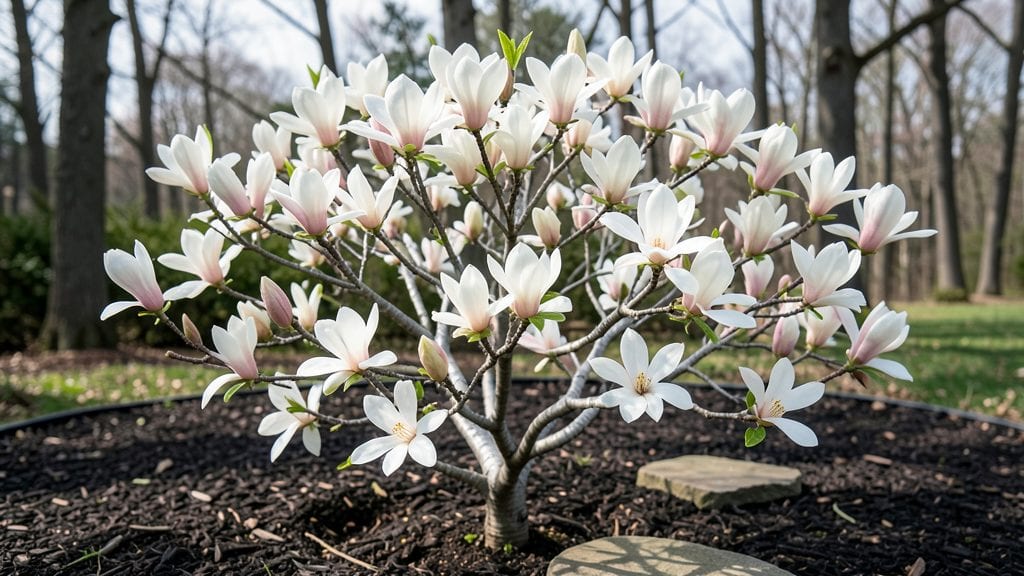
Longwood Gardens 2025 will transform into a seasonal wonderland with a breathtaking water fountain spectacle, expanded butterfly conservatory exhibits featuring rare species, and stunning orchid displays. Visitors can explore newly themed gardens like 'Moonlight Serenade' and 'Tropical Oasis,' plus enjoy extended evening hours for magical light displays across the classic landscapes.
This year's lineup blends cutting-edge horticulture with immersive experiences designed to engage all senses. 🌿 The water fountain show, for instance, uses advanced hydraulic systems to create synchronized patterns that respond to the season, while the butterfly conservatory expansion introduces pollinator-friendly plants that support local ecosystems.
Even the new themed gardens incorporate sustainable landscaping techniques, like drought-resistant plant selections that maintain beauty while conserving water—a smart approach for Pennsylvania's changing climate.
What makes 2025 particularly exciting is how these exhibits connect to broader cultural themes. The 'Moonlight Serenade' garden, for example, draws inspiration from classical music's influence on landscape design, while 'Tropical Oasis' showcases plants typically found in warmer climates—perfect for visitors to imagine themselves in a different world.
Extended evening hours mean you can experience these displays under twinkling lights, creating a truly enchanting atmosphere.
💡 In This Article
- 2025 Longwood Gardens Seasonal Exhibits Explained
- Planning Your Visit to Longwood Gardens 2025
2025 Longwood gardens seasonal exhibits explained
The centerpiece of 2025's offerings is the grand water fountain show, which uses a hydraulic system capable of projecting water up to 150 feet in the air.
This engineering marvel employs variable-frequency drives (VFDs) to control water pressure and flow rates with precision, allowing for synchronized patterns that change with each season. For example, spring displays might feature delicate misting effects mimicking rain showers, while summer shows incorporate bold, high-arc jets that create rainbow refractions in sunlight.
The system's 12,000-gallon reservoir ensures continuous operation, and its solar-powered pumps reduce energy consumption by up to 30% compared to traditional electric systems. 🔥
The expanded butterfly conservatory introduces pollinator-friendly plants specifically chosen to sustain rare species like the Monarch (Danaus plexippus) and Swallowtail (Papilio spp.). Horticulturists have integrated native milkweed varieties and host plants like parsley and dill, which provide both food and habitat.
The conservatory's humidity-controlled environment maintains ideal conditions (60-70% relative humidity), while UV-filtering glass protects delicate butterflies from harmful rays. Visitors will notice interactive stations where they can observe caterpillars transforming into butterflies—a process that takes just 10-14 days from pupation to emergence. 💫
The new orchid collections showcase climate-adaptive cultivation techniques designed for Pennsylvania's variable weather. While most orchids thrive in tropical conditions (75-85°F and 70-90% humidity), Longwood's team uses geothermal heating to maintain consistent temperatures year-round.
Rare species like the Phalaenopsis violacea (a violet orchid) are grown under specialized LED lighting that mimics natural sunlight spectra, promoting faster blooming cycles (as short as 8-12 weeks for some varieties).
The gardens also feature self-watering hydroponic systems that deliver precise moisture levels, reducing water waste by 40% compared to traditional soil-based methods. ✨
The themed gardens, such as 'Moonlight Serenade,' incorporate sustainable landscaping techniques like permeable pavers and rainwater harvesting. These methods allow stormwater to seep into the ground, replenishing aquifers while reducing runoff.
The garden's drought-resistant plants—like sedum (Stonecrop) and lavender—require 30-50% less water than traditional ornamentals but still thrive in full sun.
Meanwhile, 'Tropical Oasis' uses microclimate engineering, with windbreaks and shade structures creating pockets of humidity that support banana trees and bird-of-paradise plants, even in Pennsylvania's cooler climate. 🌿
Each exhibit ties into broader cultural themes—like the Moonlight Serenade garden's connection to classical music's influence on landscape design. Historically, composers like Debussy drew inspiration from nature, and this garden recreates those serene, moonlit scenes with soft lighting and reflective water features.
The Tropical Oasis, meanwhile, reflects global plant exchange traditions, showcasing species introduced to Europe during the Age of Exploration (16th-18th centuries). These connections make the gardens not just visually stunning, but also educational experiences that highlight humanity's relationship with nature. 💛
What most visitors won't realize is how seasonal light displays enhance the exhibits' impact. The gardens use LEDs with color-changing capabilities to transform foliage into dynamic canvases. For instance, during autumn, amber and gold hues mimic falling leaves, while winter displays feature cool blues and silvers to evoke frost.
These lights are energy-efficient, using 90% less power than traditional incandescent bulbs, and their dimmable settings allow for adaptive brightness based on natural light levels. 🌟