
Lawn
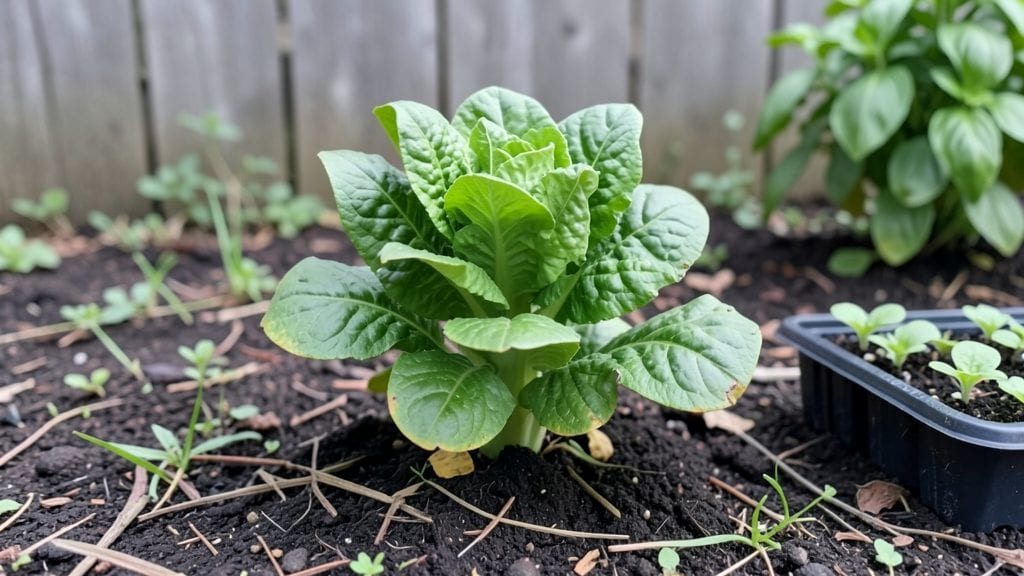
Creating a little seed garden in your smallest corner transforms overlooked spaces into vibrant pockets of life. I used to think seed gardens needed square feet of space—until I filled a 6-inch pot with nasturtiums that bloomed nonstop all summer. The key isn’t size; it’s strategy.
Start with containers that fit your space: window boxes, hanging baskets, or even repurposed tin cans. Choose fast-growing annuals like marigolds or lettuce for quick color, or slow-release perennials like thyme for year-round interest. Mix in edible flowers for dual-purpose beauty, and you’ll never need a big yard again.
By midseason, you’ll have a thriving display that draws bees and butterflies—even in a balcony or apartment. The best part? Every bloom or harvest feels like a victory, proving that tiny spaces can deliver outsized rewards. Let’s turn that empty corner into your new favorite spot.
This approach works for any climate or skill level—just adjust sunlight exposure and watering. Whether you’re a city dweller or have a postage-stamp backyard, these little seed gardens pack a punch. Ready to see what your smallest space can grow?
📚 In This Guide
- What you need
- Instructions
- Tips and common mistakes
- Wrapping up and next steps
What you need
- ● Containers: 3–5 small pots or planters (6–12 inches wide, with drainage holes) 🏺
- ● Budget-friendly options: Upcycled yogurt cups, egg cartons, or hanging baskets (for vertical gardens).
- ● Growing Medium: 1–2 bags of lightweight potting soil (sterilized, peat-free if possible) 🌿
- ○ Optional boost: 1 cup perlite or vermiculite for aeration (mix 1:4 with soil).
- ● Seeds: 5–10 packets of fast-growing, compact varieties (e.g., marigolds, nasturtiums, pansies, or dwarf tomatoes). Check seed packets for "container-friendly" labels! 🌸
- ● Pro tip: Start with heirloom or non-GMO seeds for better germination.
- ● Basic Tools: 1 small trowel or spoon for planting 🔨
- ● 1 spray bottle (for watering seedlings)
- ○ 1 pair of gardening gloves (optional but handy!)
- ● Self-watering planters or wicking mats (for low-maintenance hydration) 💧
- ● LED grow lights (if indoors with <12 hours of sunlight/day) 💡
- ● Organic fertilizer (fish emulsion or compost tea) for a nutrient boost 🌱
- ● Decorative stones or mulch (to keep soil moist and add charm!) 🎨
- ● Label markers (to track seed varieties—trust us, it helps!) 📝
Instructions for creating little seed gardens in small spaces
Here's how to transform even the tiniest corner into a vibrant, year-round display of color.
Choose the Right Containers and Prepare Your Space
Start by selecting containers that match your space. For four little seed gardens, I recommend using four 6-inch-wide window boxes or four 8-inch deep hanging baskets—both work beautifully for small areas. Make sure each container has drainage holes to prevent root rot, which is especially critical in shallow spaces where water can pool easily.
Place your containers where they'll receive at least 4-6 hours of sunlight daily. South-facing windowsills or balconies are ideal, but even north-facing spots can work if you choose shade-tolerant annuals like impatiens or begonias. If you're working with a windowsill, ensure it's sturdy enough to support the weight of the containers once planted.
Fill Containers with Lightweight, Well-Draining Soil
Use 4 gallons of high-quality potting mix for all four containers. Avoid garden soil—it compacts too easily and can suffocate roots in small spaces. I like to mix in 1 cup of perlite to improve drainage and prevent waterlogged roots. Fill each container to within ½ inch of the rim, leaving room for watering.
Gently press the soil down with your fingers to remove air pockets, but don’t pack it too tightly. The goal is to create a loose, fluffy medium that allows roots to spread easily. If you notice the soil settling after planting, add a little more to keep the roots covered but not buried too deeply.
Plant Seeds or Seedlings for Continuous Color
For year-round blooms, I plant a mix of fast-growing annuals and slow-starting perennials in each container. Start with 4-6 seeds or seedlings per container, spacing them 2-3 inches apart to allow room for growth. Choose varieties that thrive in small spaces, like pansies, sweet alyssum, or lobelia for early color, and petunias or geraniums for summer blooms.
If you're sowing seeds, follow the packet instructions for depth—usually ¼ to ½ inch deep. Water gently after planting to settle the soil around the seeds or seedlings. Avoid overwatering at this stage, as it can wash seeds away or drown tender new roots. Instead, use a spray bottle for a light misting.
Water and Maintain for Lush, Long-Lasting Blooms
Water your little seed gardens every 2-3 days, checking the soil before each watering. Stick your finger 1 inch into the soil—if it feels dry, it’s time to water. In hot weather, you may need to water daily, but avoid letting the soil stay soggy. Overwatering is the fastest way to kill small-space plants.
Once your plants are established, fertilize lightly every 4-6 weeks with a balanced, water-soluble fertilizer. I use ½ teaspoon per gallon of water to avoid overfeeding, which can lead to weak growth or excessive foliage at the expense of flowers. Deadhead spent blooms regularly to encourage more flowers and keep your gardens looking tidy.
Rotate Plants Seasonally for Round-the-Year Color
To keep your little seed gardens blooming all year, swap out plants every 3-4 months. In early spring, plant cool-season annuals like pansies or snapdragons. As summer arrives, transition to heat-loving flowers like marigolds or zinnias. For fall and winter, try dianthus or sweet alyssum, which thrive in cooler temperatures.
This rotation keeps your space vibrant without requiring constant replanting. Just like a garden, little seed gardens need care, but the payoff—colorful blooms in even the smallest of spaces—is worth every effort. With a little planning, you’ll have a year-round display that brightens any corner.
Tips & tricks for perfect little seed gardens
Creating little seed gardens in small spaces is all about smart planning and attention to detail. Here are my go-to tips to help you maximize those tiny areas for big, beautiful blooms.
Container Selection: When choosing between window boxes and hanging baskets, consider the weight after watering. Window boxes on windowsills need sturdy support, while hanging baskets should have strong, secure hooks. I’ve found that plastic containers with drainage holes are lightweight and durable—no need for heavy ceramic when you’re working with small spaces.
Sunlight Strategy: The 4-6 hours of sunlight requirement is non-negotiable, but don’t let that stop you from using north-facing spots. If you’re working with limited light, choose shade-tolerant plants like impatiens or begonias. For sunnier areas, petunias and geraniums will thrive and reward you with vibrant blooms all season long.
Soil Preparation: The ½-inch gap between soil and rim in Step 2 is crucial—it prevents overflow when watering and allows for easy maintenance. I like to sift my potting mix before adding it to the containers to remove any large clumps that could compact and restrict root growth. This extra step ensures your soil stays light and airy, just as it should be.
Seasonal Rotation: The 3-4 month rotation schedule in Step 5 is your secret to year-round color. I keep a simple chart to track when each plant was planted and when it needs replacing. For example, cool-season pansies in spring give way to heat-loving zinnias in summer, and then dianthus takes over in fall. This rotation keeps your little gardens looking fresh without requiring constant replanting.
Pro Tips for Little Seed Gardens
- Creating little seed gardens in small spaces is all about smart planning and attention to detail.
- Container Selection: When choosing between window boxes and hanging baskets, consider the weight after watering.
- Sunlight Strategy: The 4-6 hours of sunlight requirement is non-negotiable, but don’t let that stop you from using north-facing spots.
Frequently asked questions
Got questions about creating your own little seed gardens?
You’re not alone! Here are some of the most common queries—and their answers—to help you grow with confidence.
What’s the best time of year to start a little seed garden?
For most flowers and herbs, spring and early summer are ideal, but many seeds (like cool-season varieties) can be sown in late winter or fall. Check your seed packets for specific timing—some even thrive year-round in mild climates! If you’re unsure, start indoors 6-8 weeks before the last frost for a head start.
Can I grow a little seed garden in containers or just on the ground?
Containers are perfect for small spaces—just ensure they have drainage holes and are at least 6 inches deep. Mix in lightweight potting soil, and choose compact varieties like petunias, basil, or marigolds. Window boxes, hanging baskets, and even repurposed buckets work great for vertical gardens too!
How often should I water my little seed garden?
Newly planted seeds need consistent moisture—water gently daily (or every other day) until sprouts appear. After that, aim for 1 inch of water per week, adjusting for heat or drought. Pro tip: Water in the morning to reduce evaporation and fungal risks. Overhead watering is fine, but avoid soaking the soil if you’re growing in containers to prevent root rot.
What do I do if pests or diseases show up in my little seed garden?
Start with prevention: Use neem oil or insecticidal soap for early signs of pests, and space plants properly for airflow. Common culprits include aphids (wipe them off with soapy water) and powdery mildew (spray with a baking soda solution). For severe issues, rotate crops annually or introduce beneficial insects like ladybugs. Act fast! Small gardens recover quicker than you’d think.
Are there low-maintenance flowers or herbs for beginners?
Yes! Try these easy winners:
- Flowers: Marigolds, zinnias, and snapdragons—drought-tolerant and pest-resistant.
- Herbs: Thyme, oregano, and chives thrive in small pots with minimal care.
- Edibles: Lettuce, radishes, and cherry tomatoes grow quickly and reward you fast.
Wrapping up and next steps
Starting a little seed garden proves that big dreams don’t need big spaces—just a little creativity and care! Whether you’re growing vibrant flowers, fresh herbs, or crisp veggies, these tiny plots bring joy, color, and life to even the smallest corners.
The best part? Every seed you plant is a step toward a greener, happier world.
Ready to dive in? Start small—pick one container or corner today, and watch your garden grow! Share your blooms with neighbors, snap photos of your progress, or even expand your space over time.
Every gardener begins somewhere, and yours could be the next little seed garden that inspires others. 🌱✨