Container Gardens
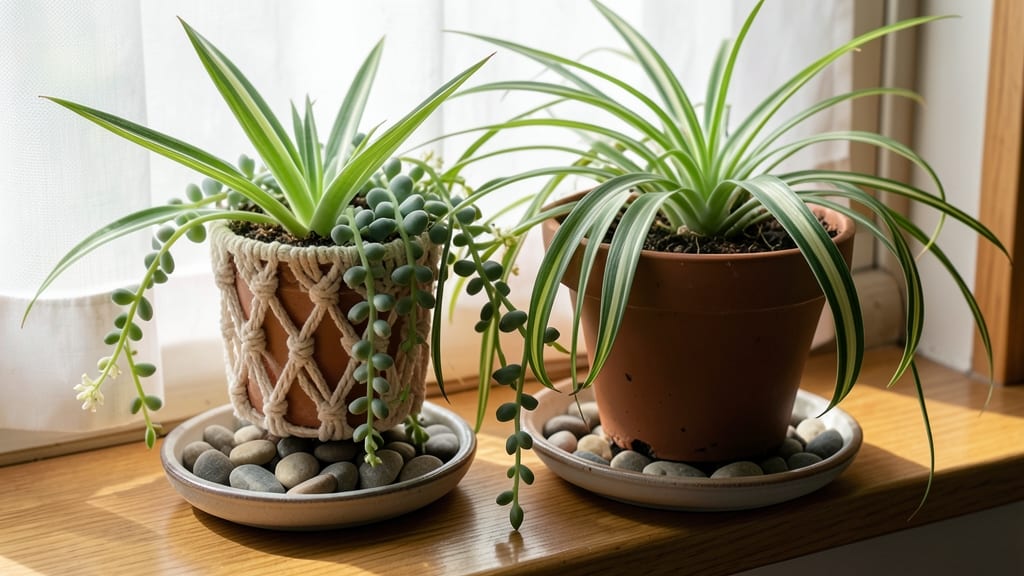
My indoor apartment garden started with a single shelf and a snarling spider plant—now it’s a thriving jungle that turns my 500-square-foot home into a green sanctuary. 🌱 The key isn’t just picking the right plants (though that helps), but designing a space where every inch works harder for you.
You don’t need a sunroom or even a balcony—just smart containers, strategic lighting, and plants that tolerate your apartment’s quirks. My go-to setup uses hanging pots for herbs, a sunny windowsill for leafy greens, and a corner shelf for air plants.
Even in low light, plants like pothos and snake plants stay lush with minimal fuss.
By summer’s end, you’ll have a space that’s not just functional but alive—think velvety basil leaves you can snip for cooking, trailing vines that soften sharp edges, and the quiet satisfaction of growing something in a place most people call “too small.”
The best part? No more wilting store-bought herbs or sad, leggy plants.
Whether you’re working with a studio or a three-bedroom, these tricks scale easily. Let’s turn your apartment into a green escape that works with your space—not against it.
📚 In This Guide
- What you need
- Instructions
- Tips and common mistakes
- Wrapping up and next steps
What you need
- ● Containers: 3–5 small pots (4–6" diameter) or a single shallow tray (10"x20") with drainage holes. Pro tip: 💡 Use recycled containers (yogurt cups, tin cans) with holes punched in the bottom!
- ● Potting Mix: 1–2 bags of lightweight, well-draining blank">seed-starting mix or blank">organic potting soil (avoid garden soil—it’s too dense!).
- ● Seeds or Seedlings: Fast-growing varieties like basil, mint, lettuce, or chives. Pro tip: ✨ Buy organic seeds for chemical-free growth!
- ● Drainage Tray: 1 shallow tray (to catch excess water and prevent messes).
- ○ Grow Lights (Optional but Helpful): A small LED blank">full-spectrum bulb (6–12" above plants) or a blank">clip-on grow light for 12–16 hours/day.
- ● Watering Can or Spray Bottle: A fine-mist spray bottle works best for delicate seedlings.
- ● Fertilizer: A balanced liquid fertilizer (5-5-5 or 10-10-10) or compost tea for organic nourishment.
- ● Self-watering planters (for busy gardeners!)
- ● Humidity dome or plastic wrap (to retain moisture for seedlings)
- ● Soil moisture meter (to avoid over/under-watering)
- ● Decorative pebbles or moss (for aesthetics and drainage)
- ● Herb labels or chalkboard markers (to track your plants)
How to create a thriving indoor apartment garden
Here's how to transform any small space into a lush, year-round green oasis.
🪴 Step 1: Choose the Right Containers and Light Spots
Start with containers that match your space and plants. For leafy greens like pothos or snake plants, use 8-10 inch pots with drainage holes—they tolerate slightly drier conditions. Herbs like basil or parsley need 6-inch pots and thrive in brighter light. Place containers near south-facing windows for the most natural light, or use LED grow lights if that's not an option.
I always check the bottom of containers before buying—no holes means poor drainage, which leads to root rot. If your favorite pot lacks drainage, place a saucer underneath to catch excess water. Group containers together to create a cohesive look while maximizing vertical space.
🌱 Step 2: Select Low-Maintenance, Space-Saving Plants
Prioritize plants that grow well in low light and small spaces. Snake plants, pothos, and ZZ plants are my top picks—they thrive with minimal care and purify the air. For a pop of color, add peperomia or spider plants, which also adapt easily to indoor conditions. Avoid fussy plants like orchids or calatheas unless you're ready to adjust humidity and light frequently.
I like to start with 4 plants to fill a small apartment without overwhelming the space. Place taller plants like dracaena in the back and trailing varieties like string of pearls in hanging planters. This creates visual interest while keeping everything accessible for watering and pruning.
💧 Step 3: Master the Watering Routine for Small Spaces
Watering is where most apartment gardeners go wrong. Instead of sticking to a schedule, check the top inch of soil—if it feels dry, it's time to water. Overwatering is the fastest way to kill houseplants, so I always use self-watering pots or place containers on saucers filled with ½ inch of water to encourage gradual absorption. Empty saucers after 30 minutes to prevent soggy roots.
Group plants with similar water needs together. For example, place succulents and snake plants in one area and water them every 2-3 weeks, while herbs and ferns go in another spot and need watering once a week. A spray bottle comes in handy for misting air plants or humidity-loving varieties like ferns.
☀️ Step 4: Optimize Light Without Sacrificing Space
Most apartments lack natural light, but you can create bright spots with reflective surfaces like mirrors or white walls. Place containers near windows but avoid direct afternoon sun, which can scorch delicate leaves. Rotate pots every 2-3 weeks so plants grow evenly—you'll notice leaves stretching toward the light if they're not getting enough.
For areas with low light, supplement with full-spectrum LED grow lights on a 12-hour timer. Position lights 6-12 inches above plants and adjust as they grow. I keep a small grow light on a shelf near my kitchen window to give herbs extra support during winter months.
✂️ Step 5: Prune and Maintain for Long-Term Growth
Regular pruning keeps plants healthy and encourages bushier growth. Pinch back leggy stems on pothos or spider plants to promote fuller foliage. For herbs like basil, snip leaves from the top to encourage branching. Always use clean, sharp scissors to avoid tearing leaves or spreading disease.
Dust leaves every 2-4 weeks with a damp cloth—this helps plants absorb light more efficiently. I also repot plants every 1-2 years to refresh the soil and give roots more room. Choose containers 1-2 inches larger than the current pot to avoid shocking the plant with too much space.
Tips & tricks for perfect indoor apartment gardens
Transforming a small apartment into a thriving garden doesn't have to be complicated—just strategic. Here are the game-changing tricks I've learned to keep my indoor greenery lush and healthy year-round.
Container Selection Wisdom: When choosing between the 8-10 inch pots for leafy greens and 6-inch pots for herbs, go for containers with built-in saucers or add your own. This prevents water from damaging countertops and creates a self-watering effect when you use the ½ inch of water method mentioned in Step 3. I've found that terracotta pots actually help wick away excess moisture, which is perfect for plants like snake plants that prefer drier conditions.
Plant Placement Strategy: In Step 2, when arranging your 4 plants, think vertically! Use wall-mounted planters or hanging baskets for trailing varieties like string of pearls to free up floor space. I place my taller dracaena in the back corner of bookshelves where they get indirect light, and my herbs right above the kitchen counter for easy access. This creates a cohesive look while maximizing every inch of your space.
Watering Technique Upgrade: The top inch of soil test is your best friend, but here's a pro move: use a chopstick or wooden skewer to check moisture levels. Stick it in the soil—if it comes out clean, wait another day. For plants with 2-3 week watering needs, I set phone reminders every 2 weeks to check rather than watering on a strict schedule. This prevents the most common mistake of overwatering, which kills more houseplants than anything else.
Light Optimization Hack: When using LED grow lights on a 12-hour timer, position them slightly off-center rather than directly above. This creates a more natural light angle that encourages plants to grow toward the light rather than stretching unnaturally. I also rotate my lights every 2-3 weeks to ensure even growth all around the plant. For extra brightness, place a mirror opposite your south-facing window to reflect more natural light into the room.
Pro Tips for Indoor Apartment Gardens
- Transforming a small apartment into a thriving garden doesn't have to be complicated—just strategic.
- Container Selection Wisdom: When choosing between the 8-10 inch pots for leafy greens and 6-inch pots for herbs, go for containers with built-in saucers or add your own.
- Plant Placement Strategy: In Step 2, when arranging your 4 plants, think vertically!
Frequently asked questions
Got questions about starting your own indoor apartment garden?
You’re not alone! Here are some of the most common concerns—and their practical solutions—to help you grow with confidence.
What are the best low-light plants for beginners?
If your apartment lacks natural sunlight, opt for snake plants, pothos, or ZZ plants. These thrive in indirect light and require minimal care. Place them near north-facing windows or under grow lights for extra support. Avoid fussy plants like ferns or orchids unless you’re ready to adjust humidity and light.
How often should I water my indoor garden?
Watering depends on the plant and pot size, but a general rule is to check soil moisture weekly. Stick your finger 1–2 inches deep—if it’s dry, water thoroughly until it drains from the bottom. Overwatering kills roots faster than underwatering! Use pots with drainage holes to prevent soggy soil.
Can I grow vegetables indoors without a full garden?
Start with herbs (basil, mint, parsley) or compact veggies (cherry tomatoes, peppers, microgreens). Use grow lights (12–14 hours/day) and nutrient-rich soil. Dwarf varieties like ‘Tiny Tim’ tomatoes save space. Just ensure your setup has enough airflow—stagnant air invites pests.
What do I do if my plants get pests?
Isolate the plant immediately to prevent spread. Wipe leaves with neem oil or soapy water for soft-bodied bugs like aphids. For stubborn infestations, try yellow sticky traps or introduce beneficial insects like ladybugs. Avoid chemical pesticides—they can harm your plants and indoor air quality.
How can I maximize space in a tiny apartment?
Think vertically! Use wall-mounted shelves, hanging planters, or tiered stands to stack greenery. Opt for small pots (6–12 inches) and rotate plants seasonally to balance light exposure. Foldable tables or window boxes also free up floor space. Just ensure each plant gets its ideal light conditions—no one likes a squished sun lover!
Wrapping up and next steps
Transforming your apartment into a lush indoor garden is easier—and more rewarding—than you think! With the right space-saving containers, lighting, and plant choices, you can enjoy vibrant greenery year-round, no matter how small your space.
Whether you’re a seasoned green thumb or a beginner, the key is to start small, stay consistent, and let your plants thrive with love (and maybe a little sunlight).
Ready to take the next step? Pick one plant or container today—your future indoor oasis is waiting! 🌱✨