
Tools
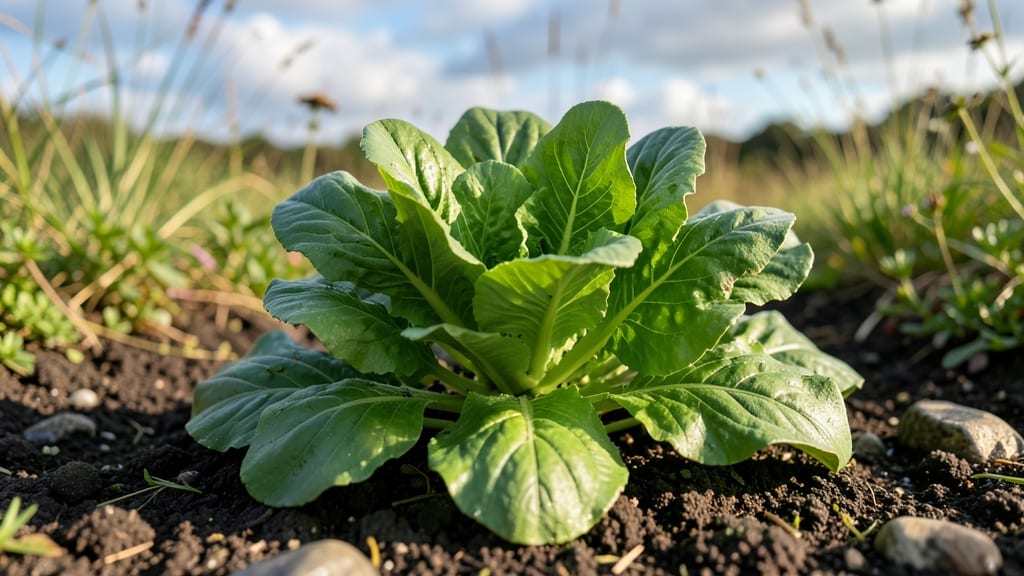
Learning about gardening starts with one simple truth: every expert was once a beginner who dug in the dirt and asked too many questions. 🌱 I remember my first garden—overwatered seedlings, weeds I couldn’t pull without uprooting the tomatoes, and a soil mix that looked like concrete.
But those mistakes led to the knowledge that now lets me grow thriving plants with confidence.
The basics boil down to three pillars: soil that drains but holds moisture, plants matched to your sunlight (not all need full sun!), and a watering routine that keeps roots happy—not soggy.
You’ll need a few tools—a trowel, gloves, and a hose with a gentle spray nozzle—but the real secret is starting small: a single container or a 4x4-foot plot proves you can do this before expanding.
By the end of this roadmap, you’ll know the difference between seeds and seedlings, how to read a plant tag, and why your neighbor’s tomatoes look better than yours (spoiler: it’s not magic, it’s sunlight and soil). You’ll also spot common pitfalls—like overcrowding plants or ignoring mulch—before they become problems.
This isn’t about perfection; it’s about progress. Even my first garden had more dirt on my knees than blooms, but that’s how you learn. Let’s turn those early missteps into your first harvests—one season at a time.
📚 In This Guide
- What you need
- Instructions
- Tips and common mistakes
- Wrapping up and next steps
What you need
- ● Gardening Gloves: 1 pair (nitrile-coated for durability and comfort).
- ● Hand Trowel: 1 (5-inch stainless steel or ergonomic design for ease).
- ● Pruners: 1 pair (bypass pruners for clean cuts, 6-8 inches long).
- ● Watering Can or Hose: 1 (5-gallon capacity with a gentle spray nozzle).
- ● Soil: 1-2 bags (high-quality potting mix or garden soil, depending on your space).
- ● Seeds or Seedlings: Choose 3-5 easy-to-grow plants (e.g., lettuce, basil, marigolds, or sunflowers).
- ● Containers or Garden Plot: For containers: 5-10 pots (5-10 inches deep, with drainage holes).
- ● For in-ground: A small plot (4’x4’ minimum) or raised bed (2’x4’).
- ● Kneeling Pad: 1 (for comfort during planting).
- ● Garden Fork: 1 (for aerating soil or transplanting).
- ● Mulch: 1 bag (straw or shredded bark to retain moisture).
- ● Plant Markers: 10+ (small sticks or labels to track seedlings).
- ● Sunlight Meter or App: Free (to check light conditions).
- ● Compost: 1 small bag (for enriching soil).
Instructions: your first gardening steps for success
Let's start with the basics—these steps build confidence and set you up for a thriving garden.
🌱 Step 1: Understand Your Garden’s Light Conditions
First, assess your space. Most plants need 6+ hours of sunlight daily, but some thrive in shade. Observe your yard or balcony over a week: note where sunlight hits and for how long. South-facing areas get the most sun, while north-facing spots stay shadier. This helps you choose the right plants for each spot.
I like to mark sunny spots with a flag or note—it makes planting day much easier. If you're indoors, a south-facing window is your best bet for herbs and seedlings. Without enough light, plants stretch awkwardly (called "legginess") and grow weak. You'll know you've got it right when plants stand tall with vibrant green leaves.
💧 Step 2: Learn the Basics of Watering
Watering is where most beginners go wrong—too much or too little both hurt plants. The key is consistent moisture, not soggy soil. Stick your finger 1 inch into the soil—if it feels dry, it's time to water. Overwatering causes root rot, while underwatering stresses plants. I water deeply once or twice a week, depending on the weather and plant type.
Morning is the best time to water because it gives plants a full day to dry out. You'll see healthy plants with crisp leaves and no yellowing. If leaves wilt during the day, they need more water. If they turn yellow or feel mushy, you're overdoing it. Adjust based on what you observe—gardening is all about paying attention.
☀️ Step 3: Start Small with Easy Plants
Don’t overwhelm yourself with complex plants right away. Begin with hardy, low-maintenance varieties like marigolds, zucchini, or leafy greens. These forgive mistakes and grow quickly, giving you instant gratification. I always start with a few containers of herbs—basil, parsley, and mint are nearly foolproof.
Pick 3-4 plants max for your first garden. This keeps things manageable while you learn. Label everything with plant names and dates—you'll forget what's what in a few weeks! Watch how each plant responds to your care. Some may need more water, others more sun. This trial-and-error phase is how you learn what works in your specific conditions.
✂️ Step 4: Practice Pruning and Maintenance
Pruning isn’t just for experienced gardeners—it’s a key skill for keeping plants healthy. Pinch off dead or yellowing leaves regularly to encourage new growth. For herbs, snip stems just above a set of leaves to promote bushiness. I always use clean, sharp scissors to avoid damaging the plant. This simple habit prevents disease and keeps plants looking tidy.
Don’t be afraid to experiment. Try deadheading flowers (removing spent blooms) to encourage more flowers. Mulch around plants to retain moisture and suppress weeds. You’ll notice plants look fuller and healthier with just a little regular care. Think of maintenance as a conversation with your plants—listen to what they need and respond accordingly.
Tips & tricks for perfect gardening success
A few simple tricks will help you avoid common pitfalls and build confidence as you start your gardening journey.
Light Observation Hack: I recommend using a small white flag or colored tape to mark your sunniest spots after observing for a week. This visual cue prevents mistakes when planting—just glance at your flags before digging! For indoor gardens, place plants within 12 inches of a south-facing window for optimal light. Remember, plants will tell you what they need: leggy stems mean more light, while drooping leaves indicate too much sun.
Watering Wisdom: The finger test in Step 2 is your best friend—push your finger 1 inch deep and feel the moisture level. For container plants, I check every morning since they dry out faster than in-ground plants. If your soil feels cool and clumps together when squeezed, it's properly moist. Pro tip: Use a spray bottle for seedlings to avoid disturbing their delicate roots while keeping them hydrated.
Plant Selection Strategy: Start with plants that match your light conditions. For shady areas, try ferns or hostas that thrive with less sun. In sunny spots, marigolds and zucchini are perfect choices—they're hardy and forgive beginner mistakes. I always keep a small notebook nearby to jot down which plants thrive in specific spots, creating a personalized garden map over time.
Pruning Practice: When pruning herbs like basil or mint, make cuts at a 45-degree angle just above a leaf node. This encourages bushier growth and prevents disease from entering through straight cuts. For flowers, deadhead regularly by pinching off spent blooms between your thumb and forefinger—no sharp tools needed! This simple habit keeps plants flowering longer and looking their best.
Pro Tips for Learning About Gardening
- A few simple tricks will help you avoid common pitfalls and build confidence as you start your gardening journey.
- Light Observation Hack: I recommend using a small white flag or colored tape to mark your sunniest spots after observing for a week.
- Watering Wisdom: The finger test in Step 2 is your best friend—push your finger 1 inch deep and feel the moisture level.
Frequently asked questions
Got questions?
Gardening can feel overwhelming at first, but we’ve got answers to the most common queries from beginners. Whether you’re wondering about timing, tools, or troubleshooting, this section covers the essentials to help you grow with confidence!
What are the easiest plants for beginners to grow?
Start with resilient, low-maintenance plants like herbs (basil, mint, parsley), leafy greens (lettuce, spinach), or flowers (marigolds, sunflowers). These thrive with minimal care and forgive mistakes—perfect for building confidence! Avoid finicky varieties like orchids or citrus until you’ve mastered the basics.
When is the best time to start a garden?
The ideal time depends on your climate:
- Cool climates: Plant in early spring (after the last frost) or fall (6–8 weeks before the first frost).
- Warm climates: Start in late winter/early spring or fall to avoid summer heat.
- Pro tip: Check your USDA Hardiness Zone (Zone 1–13) for localized guidance!
How much does it cost to start a small garden?
Costs vary, but a basic setup (seeds, soil, tools, pots) can range from $20–$100. Prioritize:
- Seeds/seedlings: $5–$20
- Potting soil: $5–$15
- Tools (trowel, gloves, watering can): $15–$30
- Budget hack: Repurpose containers (yogurt cups, buckets) and use free compost from yard waste!
What should I do if my plants get pests or diseases?
Act fast! Start with these fixes:
- Pests (aphids, slugs): Spray with soapy water or use neem oil (1 tsp per quart of water). Handpick larger pests like caterpillars.
- Diseases (fungus, mold): Remove infected leaves, improve airflow, and avoid overwatering. Copper fungicide is a safe last resort.
- Prevention tip: Healthy soil + companion planting (e.g., marigolds repel pests) keeps issues at bay!
Can I garden in small spaces like apartments or balconies?
Use:
- Containers: Herbs, strawberries, and dwarf tomatoes thrive in pots (6+ inches deep).
- Vertical gardening: Hang planters or use trellises for vining plants (e.g., cucumbers, peas).
- Window boxes: Perfect for lettuce, radishes, or flowers like petunias.
- Sunlight rule: Most plants need 6+ hours of sunlight daily—place pots near south-facing windows or use grow lights.
Wrapping up and next steps
Gardening is a rewarding journey that blends creativity, patience, and a deep connection to nature. Whether you’re starting with herbs, veggies, or flowers, the key is to begin small, stay curious, and embrace the learning process—every gardener, from novice to expert, started exactly where you are now. 🌱
Ready to take the next step? Start with one plant or seed this week, keep a simple journal to track progress, and don’t hesitate to ask questions in gardening communities. Your green thumb is closer than you think!