
Tools
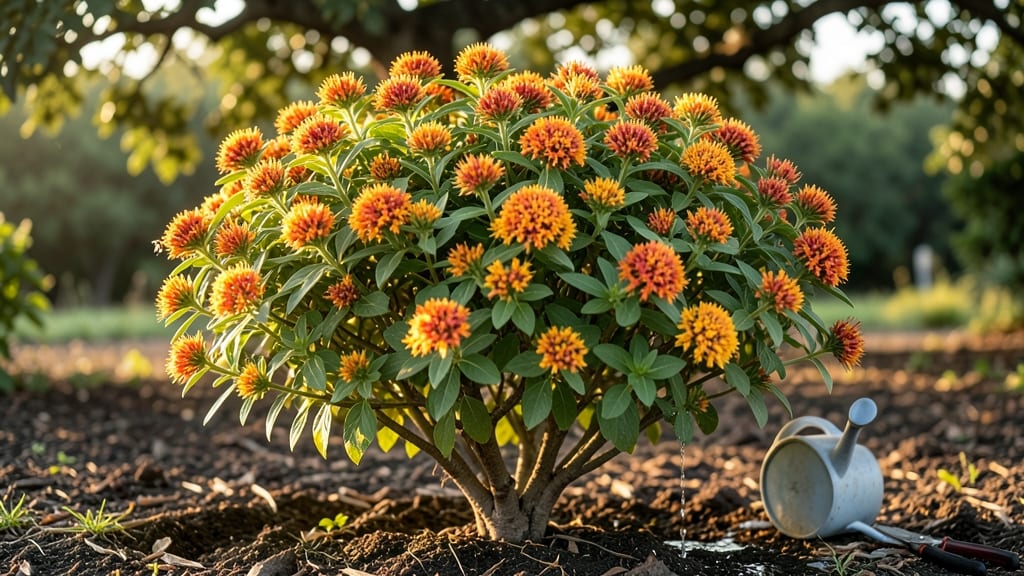
Lantana in garden designs is the secret weapon for bold, carefree color that keeps blooming from spring through frost. 🌿 I’ve used it to transform dull corners into vibrant spots that hum with pollinators—no deadheading, no fuss, just endless clusters of pink, yellow, or purple flowers.
The key isn’t just planting it; it’s placing it where it shines as a border, a container star, or a pollinator magnet.
This plant thrives in full sun, even in heat waves, and pairs beautifully with salvias, succulents, or lavender for a modern look. In cottage gardens, it softens edges with its wild, airy habit, while in pollinator gardens, it’s a nonstop buffet for bees and butterflies.
The best part? It stays compact without pruning—just trim back in late winter if it gets leggy.
You’ll end up with a garden that feels alive year-round, with low-maintenance drama that outshines seasonal annuals. The flowers attract hummingbirds, the foliage stays lush, and the colors pop against any backdrop. Whether you’re filling a container or lining a path, lantana does the work for you.
Works in modern, cottage, or wild landscapes—just give it sun and space. Here’s how to make it the star of your design without the upkeep of high-maintenance blooms.
📚 In This Guide
- What you need
- Instructions
- Tips and common mistakes
- Wrapping up and next steps
What you need
- ● Lantana plants: Choose between: New plants: 3–5 healthy nursery-grown lantana (varieties like Lantana camara or Lantana montevidensis for best results).
- ● Seeds: 1–2 packets of lantana seeds (germination can be slow; start indoors 8–12 weeks before last frost).
- ● Cuttings: 4–6 4-inch stem cuttings from a thriving lantana (taken in spring or early summer).
- ● Well-draining soil: 1–2 cubic yards of sandy loam or a mix of potting soil + perlite (lantana hates soggy roots!).
- ● Organic compost: 1–2 bags (5–10 lbs each) to enrich the soil before planting.
- ● Mulch: 1–2 bags of pine bark nuggets or gravel (3–4 inches deep) to retain moisture and deter weeds.
- ● Garden trowel or shovel: For digging holes (6–8 inches deep and wide for each plant).
- ● Pruning shears: Sharp, bypass-pruners (for shaping and maintaining plants; sterilize with rubbing alcohol between cuts).
- ● Gloves: A pair of gardening gloves (to protect from thorns and rough stems).
- ● Watering can or hose: With a gentle spray nozzle (lantana prefers deep but infrequent watering).
- ● Measuring tape or ruler: To ensure proper spacing (18–24 inches apart for full sun, 12–18 inches for partial shade).
- ● Slow-release fertilizer: 1–2 bags of balanced 10-10-10 or citrus-specific fertilizer (apply sparingly in spring).
- ● Drip irrigation kit: For automated watering (especially useful in hot climates).
- ● Plant stakes or trellis: If growing Lantana montevidensis (trailing varieties may need support).
- ● Pest control: Neem oil or insecticidal soap (for aphids or whiteflies—rare but possible).
- ● Garden journal: To track growth, pruning dates, and blooming cycles!
How to plant and maintain lantana for season-long blooms
Lantana’s vibrant clusters reward you with almost no fuss—here’s how to set them up for nonstop color.
🌱 Step 1: Choose the Perfect Sunny Spot
Lantana thrives in full sun, so pick a location with at least 6-8 hours of direct sunlight daily. I always test a spot by observing how much sun it gets over a week—if nearby plants wilt by midday, it’s perfect. The more sun, the more blooms, but lantana tolerates partial shade if you’re in a hotter climate where afternoon shade helps.
Well-draining soil is critical—lantana roots rot easily in soggy conditions. If your soil drains poorly, amend with 1-2 inches of coarse sand or gravel mixed into the top 6 inches of soil. You’ll know you’ve got it right when water drains through the soil within 10-15 minutes after watering.
🪴 Step 2: Plant at the Right Depth and Spacing
Dig a hole twice as wide as the lantana’s root ball but only as deep as the container it came in. This prevents burying the stem too deeply, which can cause rot. Gently loosen the roots if they’re circling the pot—this encourages outward growth instead of struggling to break free.
Space plants 18-24 inches apart for full, bushy growth. Closer spacing works for hedges, but you’ll sacrifice airflow and risk more pests. After placing the plant, fill the hole with soil and press lightly around the base. Water deeply until moisture reaches 6 inches down—you’ll see the soil surface darken slightly when it’s saturated.
☀️ Step 3: Water Smartly for Strong Roots
Lantana is drought-tolerant once established, but new plants need consistent moisture. Water once a week for the first 4-6 weeks, giving 1 inch of water per week. Check soil moisture by sticking your finger 1-2 inches deep—if it feels dry, water again. Overwatering is the biggest mistake; yellowing leaves or wilting despite damp soil means you’re overdoing it.
After the first month, reduce watering to every 2-3 weeks unless your area experiences extreme heat or drought. Mature lantana stores water in its stems, so it bounces back quickly after dry spells. You’ll know it’s happy when new growth appears and flowers bloom continuously.
✂️ Step 4: Prune for Bushier Growth and More Blooms
Pruning isn’t just about cleanup—it’s how you encourage lantana to fill out. Cut back leggy stems by one-third in early spring to promote bushier growth. Use clean, sharp pruners and make cuts just above a leaf node or set of leaves. Avoid cutting into old wood, as lantana struggles to regrow from bare stems.
Deadhead spent blooms by pinching off the flower clusters at their base. This redirects the plant’s energy into new flowers instead of seed production. I do this every 2-3 weeks during peak bloom to keep the plant flowering nonstop. If you skip deadheading, you’ll still get blooms, but they’ll be fewer and more sporadic.
🌿 Step 5: Fertilize Lightly for Vibrant Color
Lantana doesn’t need much fertilizer, but a light feeding in spring boosts blooms. Use a balanced, slow-release fertilizer (like 10-10-10) and apply it once in early spring, following the package rates. Over-fertilizing leads to lush foliage but fewer flowers—lantana prioritizes blooms over leaves, so keep it light.
Work the fertilizer into the top 2-3 inches of soil around the plant, then water deeply to help it dissolve. You’ll notice stronger stems and brighter flowers within 4-6 weeks. Avoid fertilizing in late summer or fall, as new growth won’t harden off before winter.
Tips & tricks for perfect lantana garden design
Lantana's vibrant blooms are your secret weapon for year-round color—here's how to keep them thriving with minimal effort.
Sunlight Secret: While lantana loves full sun, I've found that morning sun with afternoon shade in hot climates actually preserves more blooms. The key is avoiding the intense afternoon heat that can stress plants. If you notice leaves wilting by midday, consider moving plants to a spot with partial afternoon shade during summer months.
Soil Test: Before planting, do a simple drainage test—dig a hole, fill it with water, and time how long it takes to drain. If it takes longer than 15 minutes, you'll need to amend that spot with sand or gravel. I've seen lantana roots rot in heavy clay soil even after just one heavy rain, so this test saves a lot of heartache.
Pruning Strategy: The one-third spring pruning rule works wonders, but here's the pro tip: save those cuttings! Place them in water and you'll get new plants in just a few weeks. I've propagated entire new lantana beds this way. Just remember to let the cuttings dry out for a day before placing them in water to prevent rot.
Fertilizer Timing: That spring feeding is crucial, but don't overdo it. I've seen gardeners add too much fertilizer and end up with lush green leaves but almost no flowers. Stick to the once-a-year rule and you'll get those vibrant blooms you're after. The 4-6 week wait for results is worth it—you'll notice the difference in stem strength and flower quantity.
Pro Tips for Lantana In Garden
- Lantana's vibrant blooms are your secret weapon for year-round color—here's how to keep them thriving with minimal effort.
- Sunlight Secret: While lantana loves full sun, I've found that morning sun with afternoon shade in hot climates actually preserves more blooms.
- Soil Test: Before planting, do a simple drainage test—dig a hole, fill it with water, and time how long it takes to drain.
Frequently asked questions
Got questions about keeping lantana happy and stunning in your garden?
Here are answers to the most common ones—so you can enjoy that vibrant, low-maintenance beauty without the guesswork!
Is lantana invasive, and should I worry about it spreading?
Lantana can be aggressive in warm climates (USDA Zones 8-11), spreading via seeds and runners. To control it, deadhead spent blooms regularly and plant it in containers or raised beds if space is tight. Pro tip: Choose sterile cultivars like 'Lemon Swirl' or 'Bandana Series' to reduce seed spread.
How much water does lantana need, and will it survive drought?
Once established, lantana is drought-tolerant and thrives on neglect! Water deeply once a week during the first growing season, then taper off to every 2-3 weeks (or when soil feels bone-dry). Overwatering causes root rot—so let it tell you when it’s thirsty!
When and how should I prune lantana for bushier blooms?
Prune in early spring (before new growth) to shape the plant and encourage dense foliage. Cut back 1/3 of the plant or trim leggy stems to just above a leaf node. Light trims throughout summer keep it tidy without sacrificing flowers. Never prune in fall—it needs time to harden off!
Are lantana flowers safe for bees and butterflies?
Absolutely!
Lantana is a pollinator magnet, attracting bees, butterflies, and hummingbirds with its nectar-rich blooms. Plant it near seating areas or pathways for a lively, eco-friendly garden. Bonus: The flowers last weeks on the plant, feeding pollinators long after cutting!
What are some low-maintenance alternatives if lantana is too aggressive for my garden?
If you love lantana’s color but want easier care, try:
- Firebush (Hamelia patens): Drought-tolerant, hummingbird-friendly, and blooms from summer to frost.
- Portulaca (Portulaca grandiflora): Succulent-like, thrives in heat, and self-seeds (but not invasively).
- Salvia (Salvia leucantha): Purple blooms all fall/winter with minimal pruning.
Wrapping up and next steps
Lantana isn’t just a plant—it’s a low-maintenance superstar that brings vibrant color to your garden with almost no fuss! Whether you’re a seasoned gardener or just starting, its resilience, drought tolerance, and pollinator-friendly blooms make it a must-have for year-round beauty.
With just a little pruning and the right placement, you’ll enjoy a burst of color that feels like a hands-off masterpiece.
Ready to transform your space? Start small—pick a sunny spot, grab a few cuttings, and watch your lantana thrive! Need more inspiration? Browse our garden design guides or join our community for tips and tricks from fellow plant lovers. 🌸✨