Advice
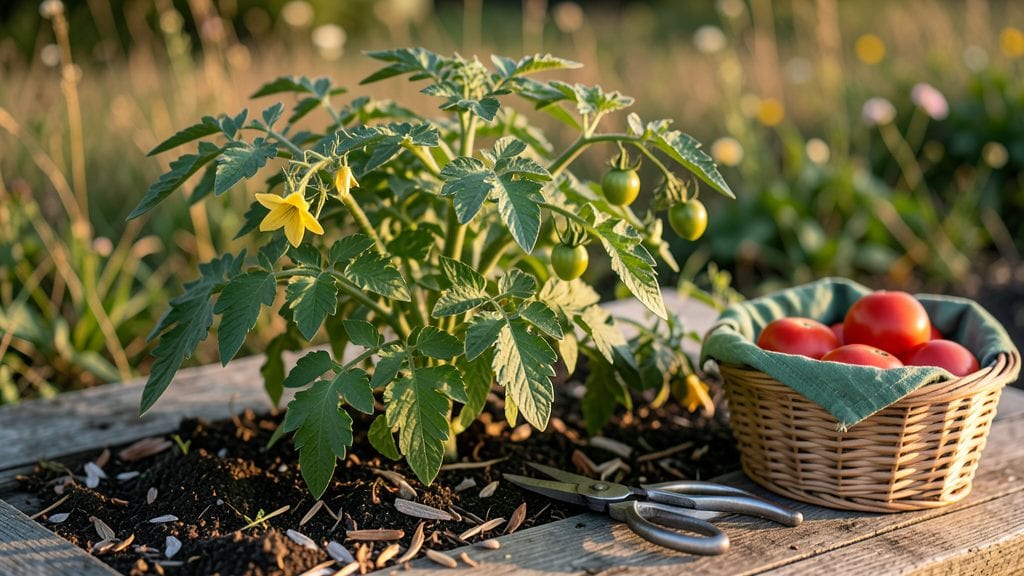
July gardening tasks aren’t just about survival—they’re your chance to shape a garden that thrives through the heat. ✨ I’ve learned that mid-summer isn’t about frantic planting but strategic pruning, watering smarter, and turning your plot into a pollinator paradise.
The plants that make it this far will reward you with late-season blooms and harvests if you give them the right care now.
Start by deadheading spent flowers—especially on roses and annuals—to encourage new growth and keep things looking fresh. Prune back overgrown herbs like basil and cilantro to prevent bolting, and give vining plants a little support to keep them off the ground where pests can’t reach.
Water in the early morning to reduce evaporation, and mulch heavily to lock in moisture and keep roots cool.
This is also the month to plant heat-tolerant crops like okra, southern peas, and malabar spinach, which thrive when temperatures climb. For pollinators, let some flowers go to seed—milkweed, coneflowers, and sunflowers are lifesavers for bees and butterflies struggling through the heat.
By August, you’ll see the payoff in stronger plants and a buzzing, alive garden.
Works for backyard gardens, raised beds, or even container setups—just adjust watering based on your local heat. Let’s make this the month your garden recovers and rebounds stronger than ever.
📚 In This Guide
- What you need
- Instructions
- Tips and common mistakes
- Wrapping up and next steps
What you need
- ○ Pruning shears: Bypass pruners (sharp, 6–8" blades) for clean cuts on branches up to ½". Optional: Loppers (for thicker branches, 10–16") and a pruning saw (for stubborn wood).
- ● Gloves: Heavy-duty gardening gloves (nitrile-coated for grip and protection).
- ● Watering supplies: Hose with adjustable nozzle (or a watering wand for gentle watering).
- ● 5-gallon watering can (for container plants or delicate pollinators).
- ● Mulch: 2–3 cubic feet of organic mulch (e.g., shredded bark, straw, or compost) per 100 sq. ft. of garden bed.
- ● Pollinator-friendly plants: Native wildflowers (e.g., coneflowers, black-eyed Susans) – 5–10 plants per bed.
- ● Herbs (e.g., lavender, basil, oregano) – 3–5 plants per container or bed.
- ● Fertilizer: Balanced, slow-release fertilizer (10-10-10 or 5-5-5) – 1 lb per 100 sq. ft.
- ○ Optional: Organic options like composted manure or worm castings.
- ● Pollinator hotel: A pre-made or DIY insect hotel (e.g., bamboo tubes, pine cones, or hollow stems).
- ● Birdbath or shallow dish: Fill with water and add pebbles for pollinators to drink safely.
- ● Soil test kit: Check pH and nutrient levels before amending soil.
- ● Plant supports: Stakes or cages for tall flowers (e.g., sunflowers, hollyhocks).
- ● Pest control: Neem oil or insecticidal soap (for organic pest management).
Step-by-Step instructions for July gardening tasks
Mid-summer is all about pruning, feeding, and inviting pollinators—here’s how to keep your garden thriving.
✂️ Step 1: Prune for Health and Shape
Start by deadheading spent blooms on annuals like zinnias and marigolds—this redirects energy to new flowers instead of seed production. Use clean, sharp pruners to snip just above a set of healthy leaves or a leaf node. I always sterilize my tools with rubbing alcohol between cuts to prevent disease spread.
For perennials like coneflowers or black-eyed Susans, cut back any leggy stems by a third to encourage bushier growth. Watch for powdery mildew on roses—if you spot it, prune affected leaves immediately and improve airflow by thinning crowded branches. The goal is to shape plants while keeping them strong enough to handle summer heat.
🌿 Step 2: Feed and Mulch for Mid-Summer Boost
Spread a 2-3 inch layer of mulch around the base of plants to retain moisture and regulate soil temperature. I use shredded bark or straw, keeping it 3-4 inches away from stems to prevent rot. Water deeply after mulching to help it settle and make contact with the soil.
Apply a balanced, slow-release fertilizer like 10-10-10 at half-strength to vegetables and flowering plants. Focus on leafy greens, tomatoes, and peppers—they’ll reward you with vigorous new growth. Avoid high-nitrogen fertilizers now; they promote leafy growth at the expense of flowers and fruit.
☀️ Step 3: Support Pollinators with Strategic Planting
Plant fast-growing annuals like cosmos, sunflowers, or alyssum to provide nectar and pollen for bees and butterflies. Choose varieties with bright colors and open flowers—they’re the easiest for pollinators to access. I scatter seeds directly into the soil where you want them to grow, then water gently to keep the soil moist until germination.
Leave some "messy" areas with wildflowers or clover—these are pollinator magnets. Avoid pesticides entirely during bloom time; even "organic" sprays can harm beneficial insects. Place a shallow dish of water with pebbles for bees to drink from—it’s a small act that makes a big difference.
💧 Step 4: Water Wisely to Beat the Heat
Water deeply in the early morning to reduce evaporation and fungal risks. Aim for 1-1.5 inches per week, including rainfall, delivered directly to the soil—not the leaves. Use drip irrigation or soaker hoses to minimize waste and keep foliage dry, which prevents powdery mildew.
Group plants with similar water needs together to simplify care. Succulents and lavender need less, while tomatoes and peppers crave consistent moisture. Check soil moisture by sticking your finger 1-2 inches deep—if it’s dry, it’s time to water. Mulch helps here too, locking in moisture and keeping roots cool.
⏰ Step 5: Plan for Late Summer Harvests
Start succession planting for fall crops like kale, spinach, and carrots. Choose fast-maturing varieties and sow seeds in partial shade to avoid the worst heat. Keep the soil moist until germination, then thin seedlings to 2-3 inches apart for proper growth.
Harvest regularly to encourage more production—pick beans, cucumbers, and zucchini every 2-3 days when they’re young and tender. Overripe produce stresses plants and attracts pests. Save seeds from your best tomatoes and peppers for next year by allowing a few to ripen fully on the vine before harvesting.
Tips & tricks for perfect July gardening tasks
Here's what nobody tells you about keeping your summer garden thriving without the guesswork.
The Pruning Precision: When deadheading annuals in Step 1, don't just cut the flower—aim for the leaf node below. This hidden trick ensures new blooms grow exactly where you want them. I learned this the hard way after watching zinnias grow in awkward directions! For roses with powdery mildew, prune affected leaves first, then sterilize your tools between cuts. That rubbing alcohol step isn't optional—it's what keeps your healthy plants from catching what's already sick.
Mulch Magic: The 2-3 inch layer in Step 2 should look like a blanket, not a mountain. Pile it too high and you'll suffocate stems. For extra heat protection, I mix my shredded bark with a thin layer of straw on top—it reflects sunlight while keeping roots cool. And here's a secret: water your mulch after spreading it. This helps it settle and make proper contact with the soil, which is when it really starts working its moisture-retaining magic.
Pollinator Power Moves: When planting for bees in Step 3, focus on flat, open flowers like sunflowers or alyssum—they're like all-you-can-eat buffets for pollinators. I always add a few clover patches too; they're nitrogen-fixers that improve soil while providing late-season nectar. For that bee water dish, use pebbles instead of marbles—they give bees something to grip while drinking, preventing accidental drowning. Trust me on this.
Watering Wisdom: That 1-1.5 inch weekly target in Step 4 can be tricky to visualize. I use a simple rain gauge or even a tuna can buried in the soil to track accumulation. For container gardens, water until it runs out the drainage holes—this ensures roots get properly soaked. And here's what nobody mentions: water your mulch after each deep watering. This helps it stay in place and work more effectively at retaining moisture.
Pro Tips for July Gardening Tasks
- Here's what nobody tells you about keeping your summer garden thriving without the guesswork.
- The Pruning Precision: When deadheading annuals in Step 1, don't just cut the flower—aim for the leaf node below.
- Mulch Magic: The 2-3 inch layer in Step 2 should look like a blanket, not a mountain.
Frequently asked questions
Got questions about tackling your July gardening to-do list? Here are answers to some of the most common ones—so you can keep your garden thriving without the guesswork!
What plants should I prune in July?
Focus on deadheading (removing spent blooms) for annuals like zinnias and petunias to encourage more flowers. For perennials, prune back after they’ve finished blooming—like coneflowers or black-eyed Susans. Avoid heavy pruning of woody plants unless they’re overgrown or diseased. Pro tip: Use clean, sharp shears to avoid damaging stems!
Is it too late to plant vegetables in July?
Not at all! July is perfect for heat-loving crops like okra, Southern peas, and sweet potatoes. For cooler-season veggies (e.g., lettuce, spinach), opt for shade cloth or plant them in late July for a fall harvest. Just keep soil moist—hot weather can dry it out quickly. Pro tip: Succession plant fast growers like bush beans every 2 weeks for a steady supply!
How can I attract more pollinators if my garden isn’t blooming yet?
Pollinators love native plants like milkweed, bee balm, or goldenrod—even if they’re not in full bloom, their foliage provides nectar. Add a shallow water source (a saucer with pebbles works!) and avoid pesticides. Pro tip: Leave some "weeds" like clover—they’re pollinator magnets! If your garden is sparse, try potted herbs (basil, thyme) or window-box flowers.
Why are my tomatoes splitting in July’s heat?
Splitting happens when tomatoes grow too fast after a dry spell, then get overwatered suddenly. Keep soil consistently moist (1–2 inches deep) and mulch to retain water. Prune suckers (side shoots) to reduce stress. Pro tip: Harvest overripe tomatoes early—they’ll ripen indoors! For next year, choose heat-tolerant varieties like ‘Heatmaster’ or ‘Solar Fire.’
Can I still fertilize my lawn in July?
Yes, but go light—July heat stresses grass, and over-fertilizing burns roots. Use a slow-release, low-nitrogen fertilizer (like 20-5-10) and water deeply afterward. Avoid high-nitrogen products (like lawn food with numbers like 30-0-4). Pro tip: Mow high (3–4 inches) to shade roots and reduce water loss!
What should I do if July rains wash away my mulch?
Don’t stress—just reapply mulch after the ground dries (2–3 inches thick). Mulch prevents soil erosion, retains moisture, and regulates temperature. Use organic options (straw, wood chips) for extra benefits as they decompose. Pro tip: Add mulch in a donut shape around trees to protect roots while keeping the trunk dry!
Wrapping up and next steps
July is your chance to revitalize your garden with mid-summer care—pruning for health, nurturing pollinators, and preparing for autumn’s bounty. 🌿 By tackling these tasks now, you’ll not only boost this season’s harvest but also set the stage for a thriving fall.
Whether you’re a seasoned gardener or just starting, every small effort makes a difference—so grab your tools, enjoy the process, and watch your garden flourish!
Ready to take it further? Plan your August checklist—think soil prep, fall planting, and pest prevention—so you’re always one step ahead. Happy gardening! 🌱