
Planting
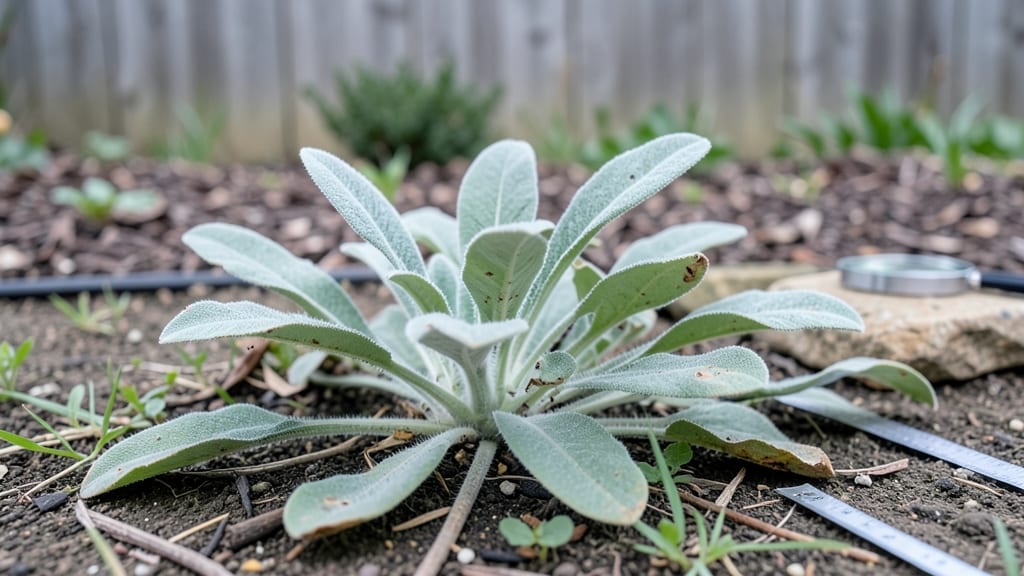
Identifying garden plants starts with the simplest clues—leaf shape, color, and edges—that reveal a plant’s secrets before you even see its flowers. I’ve stared at mystery plants in my yard, frustrated until I noticed the subtle differences: lobed leaves like a maple’s fingers, serrated edges like a raspberry’s teeth, or the velvety texture of lamb’s ear. These details hold the key to unlocking what’s growing in your garden.
The quickest way to solve plant puzzles is to compare what you see to trusted resources. Start with a free app like PlantNet or iNaturalist—just snap a photo of the leaves (and flowers if they’re present) and let the algorithm do the heavy lifting.
For old-school gardeners, a field guide organized by leaf shape works just as well, especially when you’re dealing with immature plants that haven’t bloomed yet.
Once you know the name, everything changes: pruning times, soil needs, even how to handle pests. My dwarf lilac spent years looking like a weed until I realized it had tiny purple blooms in spring—now I protect it from rabbits.
The right ID turns guesswork into confident care, and your garden becomes a curated space instead of a wild mix of unknowns.
Fair warning: seasonal variations throw off even the best of us. A plant might look completely different in winter than it does in summer, and immature leaves can be misleading.
That’s why I always check multiple sources and note the plant’s location—sunny spots vs. shade can change how a plant grows. With these clues, you’ll go from confused gardener to plant detective in no time.
Behind The Misidentification
Misidentifying garden plants can be frustrating, but understanding the science behind why it happens helps you spot clues more accurately. Here’s why confusion often arises—and how to avoid it.
Many plants share similar leaf shapes, colors, or growth habits, making them hard to distinguish at first glance.
For example: - Maple vs. Oak Leaves: Both have lobed leaves, but maples typically have serrated edges (like jagged teeth), while oaks often have rounded lobes with bristle-tipped points. - Mint vs. Basil: Both are aromatic herbs with broad leaves, but mint leaves are oval with scalloped edges, while basil leaves are oval with smooth, slightly pointed tips. - Sunflower vs. Daisy: Both have yellow flowers, but sunflowers have large, solitary blooms with dark centers, while daisies have white petals with a yellow center and grow in clusters.
Actionable Tip: 🔍 Compare multiple features—leaf arrangement, flower structure, and stem texture—to narrow down matches.
Plants change dramatically depending on the season or growth phase, leading to misidentification:
- Spring vs. Fall Foliage: A plant’s leaves may look lighter green in spring and deeper red or orange in fall (e.g., maples or dogwoods).
- Seedling vs. Mature Plant: Young plants often have smaller, simpler leaves (e.g., oak seedlings resemble maples until they develop full lobes).
- Dormant vs. Active Growth: Some plants, like deciduous trees, shed leaves in winter, making identification impossible until spring.
Actionable Tip: 📅 Track changes over time—take photos at different stages to compare patterns.
- Native vs. Invasive Species: Plants from different climates may look alike but have distinct hardiness zones or soil preferences (e.g., English ivy vs. Boston ivy).
- Hybrids and Cultivars: Garden centers often sell modified varieties (e.g., "Black Lace Elderberry" vs. standard elderberry), which may have darker leaves or unique flower shapes.
- Climate Adaptations: Plants in arid regions (like cacti) may resemble those in tropical climates (like succulents) but have different water-storing structures.
Actionable Tip: 🌍 Check local plant databases (like iNaturalist or USDA Plants) to verify regional matches.
Even experienced gardeners misidentify plants when:
- Focusing on One Feature: Relying solely on leaf color (e.g., all green leaves) ignores vein patterns or flower structure.
- Ignoring Undersides: Some leaves have hairy or glossy undersides (e.g., lamb’s ear vs. dusty miller).
- Overlooking Roots or Bark: Tree bark texture (smooth vs. furrowed) or root systems (fibrous vs. taproot) can be game-changers.
Actionable Tip: 👀 Examine the whole plant—not just the leaves. Use a hand lens for fine details.
Stress from pests, disease, or poor soil can alter a plant’s appearance:
- Yellowing Leaves (Chlorosis): Often caused by iron deficiency or fungal infections, making a plant look like a different species.
- Curling or Spotting: Pests (like aphids or mites) can distort leaves, mimicking disease symptoms.
- Stunted Growth: Compact or leggy growth may indicate overwatering, underwatering, or poor drainage, altering a plant’s usual form.
Actionable Tip: 💧 Assess plant health first—a stressed plant won’t match reference photos accurately.
Many identification apps or books simplify traits, leading to errors:
- Binary Key Limitations: Some guides ask yes/no questions (e.g., "Are leaves lobed?") but miss nuances like leaf arrangement (alternate vs. opposite).
- Outdated Information: Older field guides may not include new hybrids or invasive species.
- Poor Photo Quality: Low-resolution images can hide key details like leaf serrations or flower stamens.
Actionable Tip: 📱 Use multiple sources—combine apps (like PlantNet), books, and expert forums for cross-verification.
- Damaged Leaves: Caterpillars or deer can chew leaves, making a plant look unrecognizable.
- Seed Pods or Fruit: Some plants (like milkweed vs. dogbane) are only identifiable by their seed structures, not leaves.
- Flower Absence: If a plant isn’t blooming, flower color/shape—a key ID trait—is missing.
Actionable Tip: 🐞 Observe the ecosystem—note insects, birds, or animals interacting with the plant for hints.
Final Thought: Misidentification often boils down to missing details or overlooking context. By training your eye to notice leaf arrangement, growth habits, and environmental clues, you’ll become a pro at spotting even the trickiest plants! 🌱🔬
Quick fixes for plant ID struggles
Got a mysterious green guest in your garden and no idea what it is? Don’t panic—solving the puzzle of identifying garden plants just takes the right approach.
Below, we’ve mapped common challenges to practical solutions, so you can go from "What on earth is this?" to "Ah, it’s a plant name!" in no time.
Problem: Your plant’s leaves look almost identical to others in your garden, making it hard to spot unique traits. Fix:
- Use the "Leaf Layers" Trick 🌿: Examine the underside of leaves—some plants (like milkweed) have fuzzy or hairy textures, while others (like hostas) are smooth. Check for:
- Venation patterns (parallel vs. net-like veins).
- Edge details (saw-toothed, lobed, or smooth).
- Compare with a Ruler 📏: Measure leaf length/width. A leaf under 2 inches? Likely a ground cover (e.g., clover). Over 6 inches? Probably a shrub (e.g., viburnum).
- Photograph at Different Angles 📸: Snap close-ups of:
- The leaf attachment (alternate vs. opposite growth).
- The stem (woody, herbaceous, or hollow?).
- Flowers or buds (if present—even tiny ones help!).
Prevention Tip: 💡 Label new plants immediately with a temporary stake or plant tag. Snap a photo and save it in a garden app (like PlantNet or iNaturalist) for future reference.
Problem: Rain or shade fades leaf colors, making reds turn purple or greens look dull. Fix:
- Check for Color Zones 🎨:
- New growth (often brighter—look for red or yellow stems).
- Undersides (some plants, like Coleus, have dramatic reverse colors).
- Fruit/seeds (berries, pods, or capsules can reveal the plant’s family).
- Use a Flashlight 🔦: Shine light through translucent leaves (e.g., Aloe or Succulents) to see vein patterns clearly.
- Compare to a "Color Wheel" 🌈: Note if leaves skew toward:
- Blues/greens (likely a broadleaf evergreen).
- Reds/yellows (often a deciduous or tropical plant).
Prevention Tip: 🌡️ Take midday photos when sunlight enhances natural hues. Avoid overwatering—soggy soil can dull leaf vibrancy.
Problem: Seedlings or cuttings lack defining features (like flowers or mature leaves). Fix:
- Dig Deep for Clues 🕵️♂️:
- Root shape: Taproot (carrots, dandelions) vs. fibrous roots (grasses, lilies).
- Smell test: Crush leaves—minty? Likely Mentha. Garlicky? Could be Allium.
- Grow It Out 🌱: Plant the mystery specimen in a pot and observe:
- Growth habit (vining, bushy, or upright?).
- Flower timing (spring bloomers like Crocus vs. summer Zinnias).
- Use a "Key" App 📱: Input basic traits (leaf shape, height) into tools like PictureThis or Google Lens for instant matches.
Prevention Tip: ✨ Start a "Plant Diary" with dates, soil conditions, and photos. Note when seedlings sprout—some (like Tomatoes) take 7–10 days to show true leaves.
Problem: Bug bites, spots, or mold distort the plant’s natural look. Fix:
- Isolate the Issue 🦟:
- Holes or chew marks? Likely caterpillars (Tomato Hornworms) or beetles (Japanese Beetles).
- Yellowing between veins? Could be Powdery Mildew (common in Squash).
- Sticky residue? Aphids or scale insects.
- Clean Before Comparing 🧼: Gently wipe leaves with a damp cloth to reveal original color/texture.
- Check Nearby Plants 🌿: If others are affected, it’s probably a pest outbreak (e.g., Spider Mites) or fungus (e.g., Rust).
Prevention Tip: 🔥 Rotate plant groups in your garden yearly to confuse pests. Use neem oil or insecticidal soap before problems arise.
Stuck? Run through this 5-Step ID Checklist:
- Leaf Shape (Needle-like? Lobed? Heart-shaped?)
- Leaf Arrangement (Alternate, opposite, or whorled?)
- Stem Type (Woody, herbaceous, or succulent?)
- Flower/Fruit (Even if not blooming, note buds or seed pods.)
- Growth Zone (Does it thrive in sun/shade? Wet/dry soil?)
Pro Tip: 🎯 Join a local gardening group on Facebook or Reddit—post photos with your location, and experts often chime in within hours!
Remember: Every "mystery plant" is a chance to learn. Even if you can’t ID it right away, your detective work will sharpen your gardening skills—and you might discover a rare gem hiding in plain sight! 🌱✨
Frequently asked questions
How do I tell the difference between similar-looking garden plants?
Focus on three key details: leaf arrangement (alternate vs. opposite), vein patterns (parallel vs. net-like), and stem texture (woody vs. herbaceous). For example, mint has square stems and scalloped edges, while basil has smooth, pointed leaves. Use a magnifying glass to check undersides for fuzzy hairs or glossy surfaces.
What’s the best free app for identifying garden plants?
Start with PlantNet or iNaturalist—both use crowdsourced data and AI to match photos. For quick results, try PictureThis (free version available). Always verify with a second source, as apps sometimes misidentify based on limited traits.
Why does my plant look different now than when I planted it?
Seasonal changes, stress (like drought or pests), or maturity can alter a plant’s appearance. For example, coleus leaves may fade in winter, while oak seedlings resemble maples until they develop full lobes. Track growth with photos and note when flowers or seeds appear.
Can I identify a plant without flowers or seeds?
Focus on leaf shape, stem type, and growth habit. For instance, needle-like leaves suggest pine or spruce, while broad, lobed leaves could be oak or maple. Use a field guide organized by leaf traits or upload to LeafSnap for instant matches.
What if my plant is damaged or diseased?
First, rule out pests (check for holes, webbing, or sticky residue) or fungal issues (yellowing between veins). Clean leaves gently with a damp cloth to reveal original traits, then compare to healthy reference photos. If the plant is beyond saving, note the damage—it might hint at the species (e.g., powdery mildew often affects squash).