
Tools
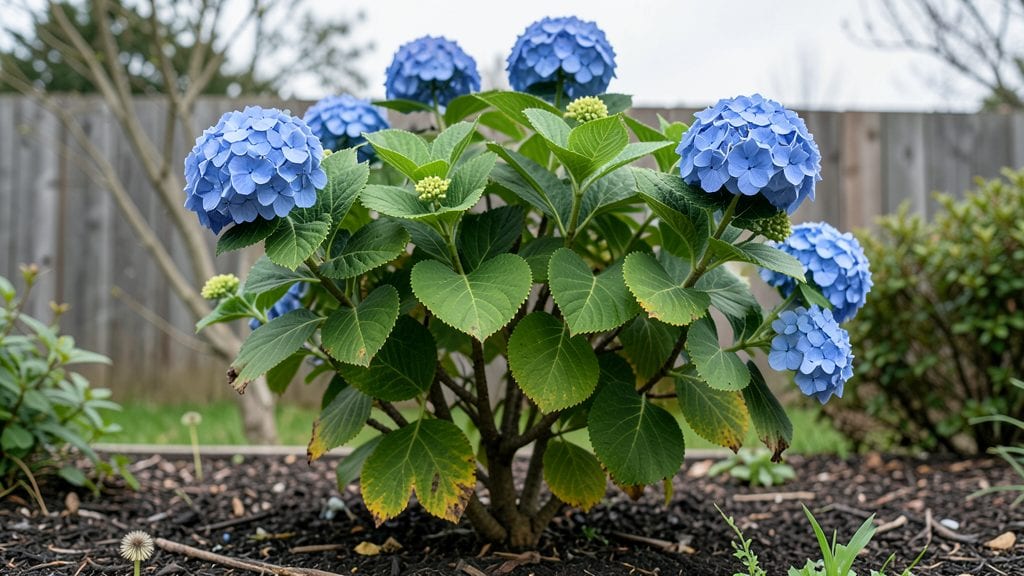
A hydrangea flower garden transforms any yard into a lush, dreamy retreat—if you know the pruning secrets that keep them blooming like crazy. 🌿 I spent years watching my hydrangeas struggle until I learned the simple timing and technique that makes them thrive.
The key isn’t just cutting back—it’s understanding when each variety needs attention, how to shape them for maximum impact, and which colors will pop against your home’s palette.
Start with the right mix of varieties—bigleaf hydrangeas for bold color shifts, panicle types for late-season drama, and oakleaf for fiery fall foliage. Pair them with companion plants like lavender for texture or ferns for soft contrast, and you’ll create a garden that feels like a curated art piece.
The best part? With proper pruning, you get three seasons of color—spring foliage, summer blooms, and autumn hues—without extra effort.
Imagine walking past mounds of lavender-blue blooms in June, then watching them deepen to rosy-pink in August, and finally catching the crisp orange leaves of oakleaf varieties in October. That’s the magic of a well-planned hydrangea garden, where every season brings something new.
The pruning isn’t hard—just a few cuts at the right time, and your bushes will reward you with bigger, fuller blooms year after year.
Whether you’re going for a romantic cottage vibe, a modern minimalist look, or a wildflower-meets-formal vibe, hydrangeas adapt. They thrive in partial shade, handle humidity, and even tolerate urban pollution—making them the perfect low-maintenance star for any garden style.
Let’s get your hydrangeas looking like they belong in a magazine spread.
📚 In This Guide
- What you need
- Instructions
- Tips and common mistakes
- Wrapping up and next steps
What you need
- ● Hydrangea plants: Choose 5–10 mature plants (or 10–15 young ones) based on your garden size. Popular varieties include Bigleaf, Panicle, or Oakleaf hydrangeas.
- ● Well-draining soil: 1–2 cubic yards of organic garden soil mixed with compost (or peat moss for acid-loving varieties like Bigleaf).
- ● Mulch: 2–3 bags of shredded bark or pine straw to retain moisture and regulate soil temperature.
- ● Fertilizer: A slow-release, balanced fertilizer (10-10-10) or an acidic fertilizer (like Miracle-Gro Azalea, Camellia & Rhododendron) for Bigleaf types.
- ● Watering system: A drip irrigation kit or hose with a spray nozzle for consistent moisture.
- ● Gardening gloves: 1 pair (heavy-duty for pruning).
- ● Pruning shears: Bypass pruners (for clean cuts) or loppers (for thicker stems).
- ● Trowel & shovel: For planting and soil prep.
- ● Wheelbarrow: 1 (to transport soil, mulch, or plants).
- ○ pH testing kit: Optional but helpful for adjusting soil acidity (aim for 5.0–6.0 for Bigleaf hydrangeas).
- ● Support stakes: 3–5 bamboo or metal stakes for tall varieties like Panicle hydrangeas.
- ● Epsom salt: 1–2 lbs (for boosting blue/purple blooms in Bigleaf types).
- ● Decorative rocks or edging: For a polished garden border.
- ● Shade cloth: Lightweight fabric to protect young plants from harsh sun.
How to create a stunning hydrangea flower garden
Here's how to design a thriving hydrangea garden that blooms reliably year after year.
🪴 Step 1: Choose the Right Hydrangea Varieties for Your Climate
Start by selecting hydrangeas that match your USDA hardiness zone. Bigleaf hydrangeas (Hydrangea macrophylla) thrive in zones 6-9 and produce bold blooms in summer, while panicle hydrangeas (Hydrangea paniculata) handle zones 3-8 and bloom from summer to fall. Oakleaf hydrangeas (Hydrangea quercifolia) are perfect for zones 5-9 with stunning fall foliage.
I always plant at least one of each type to ensure continuous color. Place bigleaf varieties in partial shade where they'll get morning sun and afternoon shade—this prevents leaf scorch. Panicle types can handle full sun, while oakleaf varieties appreciate dappled light. Check your local nursery for disease-resistant cultivars like 'Endless Summer' or 'Limelight'.
☀️ Step 2: Select Planting Locations Based on Light Needs
Hydrangeas need well-draining soil with consistent moisture, but their light requirements vary. Bigleaf hydrangeas need 4-6 hours of morning sun and afternoon shade, especially in hot climates. Panicle hydrangeas can handle full sun exposure and even tolerate urban heat islands. Oakleaf hydrangeas prefer partial shade for best foliage color.
I test locations by observing how sunlight moves across the yard throughout the day. Mark potential spots with stakes and watch for areas where leaves would get sunburned. Remember, young plants need protection as their root systems establish—this takes about 2-3 years. Mulch heavily with 3 inches of organic mulch to retain moisture and regulate soil temperature.
💧 Step 3: Plant Hydrangeas at the Correct Depth and Spacing
Dig holes twice as wide as the root ball but no deeper than the container's depth. Hydrangeas hate being planted too deep, which can cause root rot. Gently remove the plant from its container, loosen the roots if they're circling, and place it in the hole so the top of the root ball sits 1 inch below soil level.
Space bigleaf hydrangeas 4-6 feet apart and panicle types 5-8 feet apart to allow for mature size and airflow. I always water deeply before planting to help settle the soil around roots. Backfill with native soil mixed with compost for better drainage. Press gently around the base to eliminate air pockets, then water thoroughly to encourage root growth.
✂️ Step 4: Prune for Seasonal Blooms and Shape
Bigleaf hydrangeas bloom on old wood, so prune immediately after flowering. Remove 1/3 of the oldest stems at the base to encourage new growth. Panicle hydrangeas bloom on new wood, so prune in late winter or early spring to shape the plant and remove dead branches. Oakleaf varieties also bloom on old wood, so prune right after blooms fade.
I always sterilize my pruners with rubbing alcohol between cuts to prevent disease spread. For bigleaf varieties, I look for stems with flower buds forming in late summer—these are the ones to preserve. Never prune more than 1/3 of the plant at once, or you'll shock the hydrangea into dormancy. Deadhead spent blooms on panicle types to extend the flowering season.
🌿 Step 5: Maintain Soil Moisture and Fertility Year-Round
Hydrangeas need consistently moist soil but hate soggy roots. Water deeply 1-2 times per week during the growing season, aiming for 1-2 inches of water per week. I use a rain gauge to track moisture levels and adjust accordingly. In containers, water when the top 1-2 inches of soil feel dry—hydrangeas in pots dry out faster.
Feed with a balanced 10-10-10 fertilizer in early spring and again after flowering. For blue blooms, add aluminum sulfate to acidic soil (pH 5.5-6.0), and for pink blooms, use lime to raise pH to 6.5-7.0. I test soil pH annually with a simple kit—hydrangeas are finicky about soil chemistry!
Tips & tricks for perfect hydrangea flower garden maintenance
Here's what I've learned through years of growing hydrangeas that'll make your garden thrive with minimal effort.
Variety Placement Matters: In Step 1, when selecting your hydrangea types, remember that bigleaf varieties need that crucial 4-6 hours of morning sun to prevent leaf scorch. I've found that planting them near east-facing walls or under deciduous trees that provide afternoon shade works beautifully. For panicle types that handle full sun, position them where they'll get afternoon shade in hotter climates—this prevents the leaves from turning crispy. The key is observing how sunlight moves across your yard throughout the day before planting.
Root Establishment Timeline: That 2-3 year root establishment period in Step 2 is critical but often overlooked. Don't be tempted to move young plants during their first two years—they're still developing their root systems. I mark planting locations with stakes and avoid disturbing the soil around them. After the initial planting, I focus on keeping the soil consistently moist during this vulnerable period, which is why that 3 inches of organic mulch makes such a difference in moisture retention.
Pruning Precision: When you're pruning bigleaf varieties in Step 4, look for those flower buds forming in late summer—they're the ones to preserve. I always make my cuts just above a set of leaves or buds, never leaving stubs. For panicle types, I use the "thirds rule"—never remove more than one-third of the plant at once, or you'll shock it into dormancy. Sterilizing pruners between cuts with rubbing alcohol is a small step that prevents disease spread, and I've seen it make a huge difference in plant health over time.
Soil Chemistry Secrets: That annual soil pH test in Step 5 is worth every penny. I've learned the hard way that hydrangeas are picky about soil chemistry—blue blooms need that acidic pH of 5.5-6.0, while pink blooms thrive at 6.5-7.0. I keep a simple pH kit in my gardening shed and test every spring. For big color changes, I adjust gradually—adding aluminum sulfate or lime in small increments over time rather than all at once, which can burn roots.
Pro Tips for Hydrangea Flower Garden
- Here's what I've learned through years of growing hydrangeas that'll make your garden thrive with minimal effort.
- Variety Placement Matters: In Step 1, when selecting your hydrangea types, remember that bigleaf varieties need that crucial 4-6 hours of morning sun to prevent leaf scorch.
- Root Establishment Timeline: That 2-3 year root establishment period in Step 2 is critical but often overlooked.
Frequently asked questions
Got questions about creating a stunning hydrangea flower garden?
You’re not alone! Here are answers to the most common queries to help you grow lush, vibrant blooms with ease.
When is the best time to plant hydrangeas?
Plant hydrangeas in early spring or fall when temperatures are mild (50–70°F). This gives roots time to establish before extreme heat or cold. Avoid planting in summer—hydrangeas hate stress from intense sun or drought. For container-grown plants, keep the root ball moist until transplanting!
How do I prune hydrangeas without killing them?
Timing is key! Prune old wood (like Bigleaf or Oakleaf varieties) in late winter or early spring before buds swell. For new wood types (e.g., Panicle or Smooth Hydrangeas), prune in late spring or early summer after blooms fade. Never prune in fall—it removes next year’s buds!
Why are my hydrangea flowers turning brown or drying out?
Brown blooms often signal underwatering, overwatering, or fungal issues. Check soil moisture—hydrangeas love consistently moist (not soggy) soil. Yellow leaves? Too much sun or alkaline soil (add sulfur or vinegar to lower pH for blue blooms). Deadheading spent flowers encourages reblooming!
Can I grow hydrangeas in containers, and what’s the best soil mix?
Use a well-draining potting mix with peat moss or perlite to prevent root rot. Add organic compost for nutrients. Containers dry out faster—water when the top inch of soil feels dry. Dwarf varieties (like ‘Little Lime’ or ‘Endless Summer’) thrive in pots and brighten patios or balconies!
How do I change my hydrangea flower color from pink to blue (or vice versa)?
Soil pH controls color! For blue blooms, add aluminum sulfate (lower pH to <5.5). For pink blooms, use lime (raise pH to 6.0+). Test soil every few weeks—colors may shift seasonally due to rain or fertilizer. Pro tip: Hydrangeas like ‘Nikko Blue’ or ‘Annabelle’ are more pH-stable!
Are hydrangeas deer- or pest-resistant?
Unfortunately, no! Deer love hydrangeas—use repellents or fencing to protect them. Watch for aphids, slugs, or spider mites. Spray leaves with neem oil or insecticidal soap for pests. Healthy plants (with proper water/fertilizer) are less appealing to critters!
Wrapping up and next steps
Creating a stunning hydrangea flower garden is all about balancing beauty with care—and you’ve got the tools to make it thrive! 🌸 From choosing the right varieties to mastering pruning secrets, every step brings you closer to year-round color and blooms that turn heads.
Now that you’re armed with knowledge, it’s time to roll up your sleeves and get growing.
Start by picking one hydrangea type to plant this season (like the bold Hydrangea macrophylla or the easy-care Panicled Hydrangea) and follow the pruning tips to keep it happy.
Before you know it, your garden will be a lush, blooming masterpiece—just like the pros! Ready to dive in? Grab your shears and let the magic begin. 🌿✨