
Tools
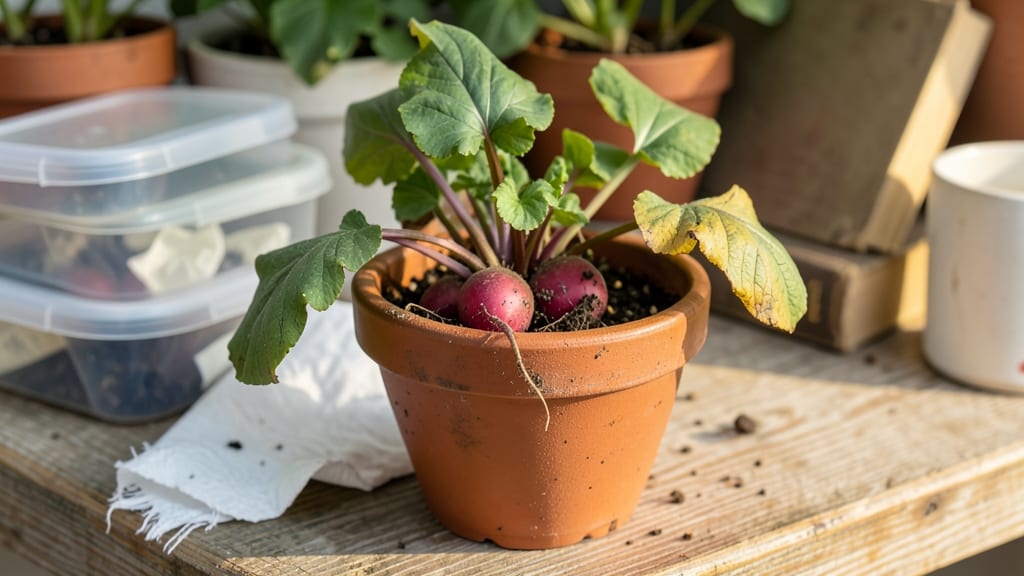
Learning how to store garden radishes properly ensures they stay crisp and fresh for up to 2 weeks—no more wilted, rubbery roots in your kitchen. I’ve learned the hard way that radishes don’t last long once pulled, but a few simple steps transform them from fleeting harvest to pantry staple.
The key lies in controlling moisture, air, and temperature, just like you’d manage them in the garden bed.
You’ll need a perforated plastic bag, a damp paper towel, and a cool spot—your fridge’s crisper drawer works perfectly. Radishes thrive in 40-50°F temperatures and high humidity, mimicking their ideal growing conditions.
Avoid washing them until ready to use, as excess moisture speeds up spoilage. A quick trim of the greens (if still attached) helps preserve the root’s crispness longer.
When stored right, your radishes stay bright pink and firm for days, perfect for slicing into salads, roasting, or pickling. Watch for soft spots or slimy texture—those mean it’s time to use them up.
The best part? You’ll waste less and enjoy fresher flavors straight from your garden to the table.
This method works for both spring and winter radishes, whether you’re storing a small harvest or bulking up for meal prep. Once you master it, you’ll never buy radishes at the store again—just pull, store, and enjoy the harvest all season long.
📚 In This Guide
- What you need
- Instructions
- Tips and common mistakes
- Wrapping up and next steps
What you need
- ● Fresh garden radishes: Harvested radishes (preferably unwashed to preserve their natural protective coating). Aim for 1-2 pounds if storing for a small household.
- ● Paper towels or clean kitchen towel: 2-3 sheets to gently pat radishes dry (moisture speeds up spoilage!).
- ● Air-tight container: A glass or plastic container with a lid (e.g., a Tupperware, mason jar, or resealable bag). Choose one that’s not too large—radishes need a little breathing room!
- ○ Plastic wrap (optional for extra protection): A small roll to wrap radishes before placing them in the container.
- ● Sharp knife or vegetable peeler: For trimming (if needed) or peeling radishes before storage.
- ○ Vinegar (white or apple cider) and water (optional for soaking): Mix 1 part vinegar to 3 parts water in a bowl for a quick sanitizing soak (5 minutes max).
- ● Silica gel packets: Place 1-2 in the container to absorb excess moisture and extend freshness.
- ● Ziploc bag with holes: Poke 5-6 small holes in a sealed bag for a breathable, no-mess alternative.
- ● Refrigerator with high-humidity crisper drawer: Ideal for long-term storage (3+ days).
- ● Food-safe spray (like olive oil or lemon juice): Lightly coat radishes to slow wilting (use sparingly!).
Step-by-step instructions for storing garden radishes
Keep your homegrown radishes crisp and vibrant for weeks with these simple storage techniques.
Harvest Radishes at Peak Ripeness
Pull radishes when they reach 1 to 1.5 inches in diameter—any larger and they’ll become woody or split. Use a garden fork or your hands to gently loosen them from the soil, then shake off excess dirt. Avoid washing them yet, as moisture speeds up spoilage.
Check for any damaged or bruised radishes during harvest and set them aside for immediate use. The fresher they are when stored, the longer they’ll last. I like to harvest in the morning when temperatures are cooler, which helps preserve crispness for longer.
Trim and Prepare for Storage
Trim the leafy green tops down to ½ inch above the radish crown using a sharp knife or scissors. This reduces moisture loss and prevents the greens from drawing nutrients away from the root. Discard any wilted or yellowed leaves—they won’t store well and can spread rot.
Leave the radishes whole and unpeeled. Peeling removes the protective skin, which speeds up drying and spoilage. If you have extra greens, store them separately in a plastic bag in the fridge for a few more days of use.
Choose the Right Storage Method
For short-term storage (3-5 days), place radishes in a perforated plastic bag or a container lined with a damp paper towel. Store them in the crispest part of your refrigerator, usually the vegetable drawer. The damp towel keeps humidity high without making the radishes soggy.
For longer storage (up to 2 weeks), wrap each radish individually in a damp paper towel and place them in a sealed container with a small vent or use a breathable storage bag. The key is to balance moisture and airflow—too much humidity causes mold, while too little dries them out.
Monitor and Refresh Storage Conditions
Check your stored radishes every 2-3 days for signs of wilting, soft spots, or mold. Remove any spoiled radishes immediately to prevent them from affecting the rest. If the paper towels dry out, lightly mist them with water and reseal the container.
If radishes start to feel soft or develop a musty smell, they’ve passed their prime. Don’t risk eating them—radishes spoil quickly once they lose their crisp texture. When stored properly, they’ll stay fresh and ready for salads, snacks, or cooking for the full 2-week window.
Tips & tricks for perfectly storing garden radishes
These simple yet effective strategies will help you extend the crispness and freshness of your homegrown radishes beyond what you might expect.
Harvest Timing Matters: The 1 to 1.5 inch diameter window for harvesting is crucial—radishes left in the ground too long become woody and lose their signature crunch. I've found that harvesting in the cooler parts of the day, like early morning, helps maintain their crispness longer. The temperature difference makes a noticeable difference in how long they stay fresh once stored.
Protective Skin is Your Friend: Never peel radishes before storage—their natural skin acts as a protective barrier against drying out. Even if you plan to peel them before eating, keep the skin on during storage. I've ruined batches by peeling first, only to find them limp and sad within days. The skin helps maintain moisture balance, which is key for that perfect crunch.
Storage Container Strategy: When using the damp paper towel method for longer storage, I recommend placing a single layer of radishes in the container rather than stacking them. This allows for better air circulation around each radish, preventing condensation buildup that can lead to mold. The goal is to mimic the natural airflow they'd get in the garden while still maintaining humidity.
Visual Inspection is Key: During your 2-3 day checks, look for subtle signs of spoilage beyond just soft spots. Tiny white fuzzy patches indicate mold starting to develop, and a slightly sour smell means they're past their prime. I keep a small trash bag handy in my fridge for immediate disposal of any compromised radishes to prevent cross-contamination with the good ones.
Pro Tips for Store Garden Radishes
- These simple yet effective strategies will help you extend the crispness and freshness of your homegrown radishes beyond what you might expect.
- Harvest Timing Matters: The 1 to 1.5 inch diameter window for harvesting is crucial—radishes left in the ground too long become woody and lose their signature crunch.
- Protective Skin is Your Friend: Never peel radishes before storage—their natural skin acts as a protective barrier against drying out.
Frequently asked questions
Got questions about keeping your radishes fresh and crisp?
You’re not alone! Here are answers to the most common queries about storing garden radishes—so you can enjoy them at their best.
Can I store radishes with their greens still attached?
While radishes with greens can technically be stored, it’s best to trim the greens first—they draw moisture from the radish, speeding up spoilage. If you must keep them, wrap the greens separately in a damp paper towel and store in the fridge. Radishes alone will last longer!
How long do radishes last in the fridge vs. the pantry?
Radishes stored in the fridge (in a perforated bag or container) stay fresh for 1–2 weeks. In a cool, dark pantry (like a root cellar), they may last 3–5 days but risk spoilage faster. For maximum crispness, always refrigerate!
What if my radishes get soft or sprouting?
Soft radishes or visible sprouts mean they’ve gone bad. Don’t risk it! Toss them immediately to avoid foodborne illness. To prevent this, store radishes in a single layer (not piled) and check weekly for signs of spoilage.
Can I freeze radishes for long-term storage?
Fresh radishes don’t freeze well—they turn mushy and lose texture. Instead, try pickling or fermenting them for preservation. If you must freeze, blanch radishes first (boil 2 mins, then ice bath) and store in airtight bags for cooked dishes (like soups).
What’s the best way to prep radishes for storage?
Before storing, wash radishes gently (don’t soak) and pat them dry. Remove any wilted greens or damaged spots. For extra shelf life, place a paper towel in the storage container to absorb excess moisture. Keep them unwashed until ready to eat!
Wrapping up and next steps
Storing garden radishes properly is all about keeping them cool, dry, and well-ventilated—whether you refrigerate them whole, slice them for salads, or freeze them for later. With the right techniques, you can enjoy their crisp, peppery flavor for up to two weeks (or longer if frozen!). 🌱
Now that you’re armed with these tips, give it a try and experiment with different storage methods to find what works best for your harvest. Ready to savor those radishes in your next meal? Check out our guide on creative radish recipes to make the most of your fresh stash!