
Size
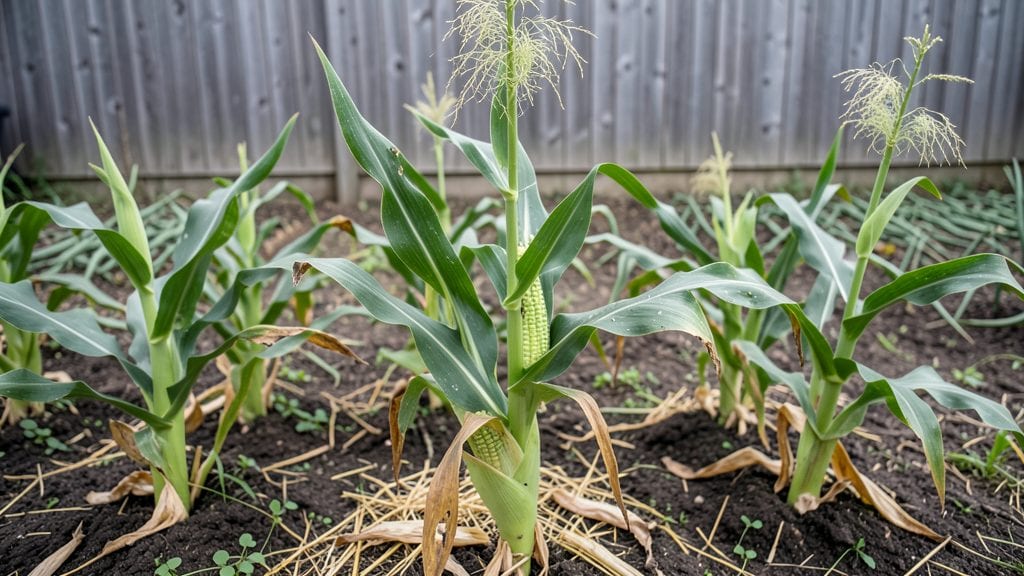
Growing sweet corn in your garden means golden ears so tender they practically melt in your mouth—if you nail the pollination game. 🌽 I’ve watched rows of corn go from silky tassels to perfect ears (and rows that turned into sad, empty stalks), and the difference always comes down to timing, spacing, and a little extra help when the wind isn’t cooperating.
The secret starts with rich, well-drained soil mixed with compost before planting, and choosing varieties suited to your 60-90 day growing season. You’ll need at least four rows planted in blocks (not single rows) to ensure cross-pollination, and a 3-4 foot spacing between plants gives roots room to stretch.
Water deeply once a week—corn hates soggy feet but thrives when the soil stays consistently moist.
By mid-summer, you’ll see those first silky threads turn into plump, juicy ears ready to harvest. The trick is picking them when the silks turn brown and the kernels pop when pressed—ear-to-ear success means no tough, starchy cobs.
And if you plant a second crop 4-6 weeks after the first, you’ll stretch your harvest into fall.
Now, here’s where it gets interesting—pollination isn’t just about the wind. If your neighborhood isn’t full of cornfields, you might need to hand-pollinate with a paintbrush on rainy days.
I’ll show you exactly how, plus how to spot and stop common pests like corn earworms before they turn your golden bounty into a worm buffet.
📚 In This Guide
- What you need
- Instructions
- Tips and common mistakes
- Wrapping up and next steps
What you need
- ● Sweet Corn Seeds: Choose a variety suited to your climate (e.g., Silver Queen, Ambrosia, or Peaches & Cream). Plant 1–2 seeds per hill, spacing hills 12–18 inches apart in rows 24–36 inches apart.
- ● Garden Soil: Well-draining, fertile soil with a pH of 6.0–6.8. Amend with 2–3 inches of compost before planting.
- ● Organic Fertilizer: A balanced fertilizer (e.g., 10-10-10) or compost tea. Apply 1–2 pounds per 100 sq ft at planting and again when tassels appear.
- ● Watering Supplies: Hose with a gentle spray nozzle or drip irrigation system.
- ● 1–2 inches of water per week, especially during tasseling and silking (critical for pollination!).
- ● Mulch: Straw or grass clippings (2–3 inches thick) to retain moisture and suppress weeds.
- ○ Stakes or Trellis (Optional): For varieties that may need support (e.g., super sweet types like Bodacious).
- ● Hand Pruners or Scissors: For removing dead leaves or excess tassels if needed.
- ● Gloves & Sun Hat: Because gardening is hard work! 😎
- ● A sunny spot with at least 6–8 hours of direct sunlight daily.
- ● Space for 4+ plants (corn is wind-pollinated; isolation helps prevent cross-contamination if saving seeds).
- ● Patience! Sweet corn takes 70–100 days to mature, depending on the variety.
Step-by-Step instructions for planting sweet corn in your garden
Here’s my foolproof method for growing plump, juicy ears—no wasted seeds or empty husks.
🌱 Step 1: Choose the Right Variety and Planting Site
Pick a bicolor or yellow sweet corn variety (like 'Silver Queen' or 'Peaches and Cream') for reliable pollination. Sweet corn needs full sun—at least 6-8 hours daily—so pick a south-facing spot with rich, well-draining soil. Test your soil pH: sweet corn thrives in slightly acidic to neutral soil (6.0-7.0).
If your soil is heavy clay or sandy, mix in 2-3 inches of compost from your ingredients list before planting. I like to till it in a week before sowing so it settles and warms up. Avoid planting in the same spot as last year’s corn—it can harbor pests and diseases that spread easily.
🌱 Step 2: Plant Seeds at the Correct Depth and Spacing
Plant 4-5 seeds per hill, spaced 12-15 inches apart in rows 30-36 inches apart. Dig holes 1 inch deep—deeper planting delays germination, while shallower seeds dry out too fast. Drop seeds in, then cover lightly with soil and pat down gently. Water immediately to settle the soil around them.
Here’s the thing—sweet corn is wind-pollinated, so plant in blocks, not rows. A single row won’t pollinate itself well, and you’ll end up with lots of empty husks. For 4 plants, arrange them in a 4x4 foot square for cross-pollination. Keep seeds moist but not soggy until germination, which takes 7-14 days depending on soil temperature.
☀️ Step 3: Maintain Moisture and Fertility
Water deeply 1-2 times per week, aiming for 1 inch of water total. Let the top 2 inches of soil dry slightly between waterings—consistent moisture prevents ear rot, but soggy soil invites fungal diseases. I water in the early morning to reduce evaporation and fungal risks.
Side-dress with compost or balanced fertilizer (like 10-10-10) when plants reach 12 inches tall. Scratch it into the soil around the base but avoid touching the stems. You’ll see tassels (male flowers) emerge first, followed by silks (female flowers) 5-7 days later. This is your pollination cue—do not disturb the plants during this time.
✂️ Step 4: Monitor for Pollination and Pests
Check silks daily—they should turn from light green to golden brown within 24-48 hours after tassels release pollen. If silks stay white or dry up, hand-pollinate by gently brushing tassels over them with a paintbrush. For 4 plants, this usually ensures good pollination, but windy days help too.
Watch for corn earworms (tiny white eggs on silks) and raccoons (they love ripe corn!). Cover ears with husks if they’re not naturally tight, and use row covers at night if pests are a problem. Harvest when silks turn brown and kernels are milky when pierced with a fingernail—usually 18-22 days after pollination.
🌿 Step 5: Harvest and Store for Maximum Sweetness
Pick ears in the morning when sugars are highest. Twist gently at the base—don’t pull to avoid damaging the stalk. Store unwashed ears in the fridge for 3-5 days or blanch and freeze for long-term use. For 4 plants, you’ll get 8-12 ears, so plan to eat or preserve them quickly.
Save a few ears to dry for next year’s seeds if you loved the variety. Let them dry completely on the stalk, then husk and store kernels in a cool, dry place. This is how I ensure my next batch of sweet corn grows even sweeter—no store-bought seeds needed!
Tips & tricks for perfect sweet corn growth
Sweet corn might seem intimidating, but these simple tricks will help you grow ears that rival your local farm stand.
The Planting Layout Secret: In Step 2, when you arrange your 4 plants in a 4x4 foot square, you're creating the perfect wind tunnel for cross-pollination. This block planting ensures every plant has neighbors to share pollen with, which is why you'll get full ears instead of empty husks. I've learned the hard way that single rows lead to disappointment—trust me on this!
Soil Temperature Matters: Before planting, check that your soil has warmed to at least 60°F—this is crucial for those 7-14 days of germination. I test by pressing my finger into the soil; if it feels warm to the touch, your seeds will sprout faster. Cold soil is the number one reason for slow or failed germination, and nobody wants to wait months for corn.
Watering Wisdom: When you're watering deeply 1-2 times per week in Step 3, focus on getting that 1 inch of water right at the base of the plants. I use a rain gauge to measure—it's amazing how much water you can waste if you're just eyeballing it. The key is keeping the top 2 inches of soil slightly dry between waterings; this prevents ear rot while still giving roots what they need.
Pollination Check: In Step 4, when you see those silks turn golden brown within 24-48 hours, that's your green light! But here's the thing: if you notice silks staying white or drying up, don't panic. Grab a clean paintbrush and gently brush the tassels over the silks—this hand-pollination trick works wonders for ensuring every ear gets fertilized. I've saved many a batch this way, especially on calm days when the wind isn't helping.
Pro Tips for Grow Sweet Corn In Garden
- Sweet corn might seem intimidating, but these simple tricks will help you grow ears that rival your local farm stand.
- The Planting Layout Secret: In Step 2, when you arrange your 4 plants in a 4x4 foot square, you're creating the perfect wind tunnel for cross-pollination.
- Soil Temperature Matters: Before planting, check that your soil has warmed to at least 60°F—this is crucial for those 7-14 days of germination.
Frequently asked questions
Got questions about growing sweet corn? You’re not alone—this crunchy, buttery staple can be tricky for beginners! Here are answers to the most common queries to help you grow ear-to-ear success.
How close together can I plant sweet corn?
Space sweet corn 12–18 inches apart in rows 24–36 inches apart for optimal airflow and pollination. Tight planting can lead to poor ear development or disease. If space is limited, opt for bush varieties (like ‘Silver Queen’), which grow shorter and don’t need trellising.
When is the best time to harvest sweet corn?
Harvest when silks turn brown and dry and kernels are plump, milky-white (like almond milk). Use the “squeeze test”: press a kernel—if it oozes milky liquid, it’s perfect! Most varieties take 60–100 days from planting. Pro tip: Harvest in the morning for peak sweetness.
Why isn’t my sweet corn pollinating? What can I fix?
Poor pollination (sparse or empty ears) often happens due to windless days, isolated plants, or weak tassels. Solutions:
- Hand-pollinate: Gently shake tassels over silks on calm days.
- Plant in blocks: Avoid single rows—corn needs neighbors within 20–30 feet for cross-pollination.
- Choose disease-resistant varieties: Some (like ‘Peaches and Cream’) are hardier.
Can I grow sweet corn in containers or small spaces?
Yes! Use 5-gallon buckets or large pots (18+ inches deep) with well-draining soil. Opt for bush varieties (e.g., ‘Golden Bantam’) or dwarf types like ‘Little and Lovin’ It.’ Place pots in full sun and fertilize weekly with a balanced 10-10-10 mix. Yields will be smaller, but you’ll still get sweet ears!
What pests or diseases should I watch for?
Common threats include:
- Corn earworms: Use row covers early or handpick eggs.
- Rust fungus: Remove infected leaves and avoid overhead watering.
- Squirrels/raccoons: Harvest promptly or use netting.
Prevention tip: Rotate crops yearly and plant resistant varieties (e.g., ‘Ambrosia’ for disease resistance).
Wrapping up and next steps
Growing sweet corn in your garden is a rewarding journey that combines patience, a little science, and a lot of sunshine! 🌱 With the right soil prep, pollination tricks, and consistent care, you’ll soon be enjoying crisp, golden ears straight from your backyard.
Whether you’re a beginner or a seasoned gardener, every successful harvest starts with a single seed—and yours could be the next ear-to-ear victory!
Ready to take the next step? Start small—plant a few rows, experiment with varieties, and refine your technique. Before you know it, you’ll be sharing your homegrown bounty with friends (or saving the best for your next grilled corn feast!). Happy planting! 🌽✨