
Size
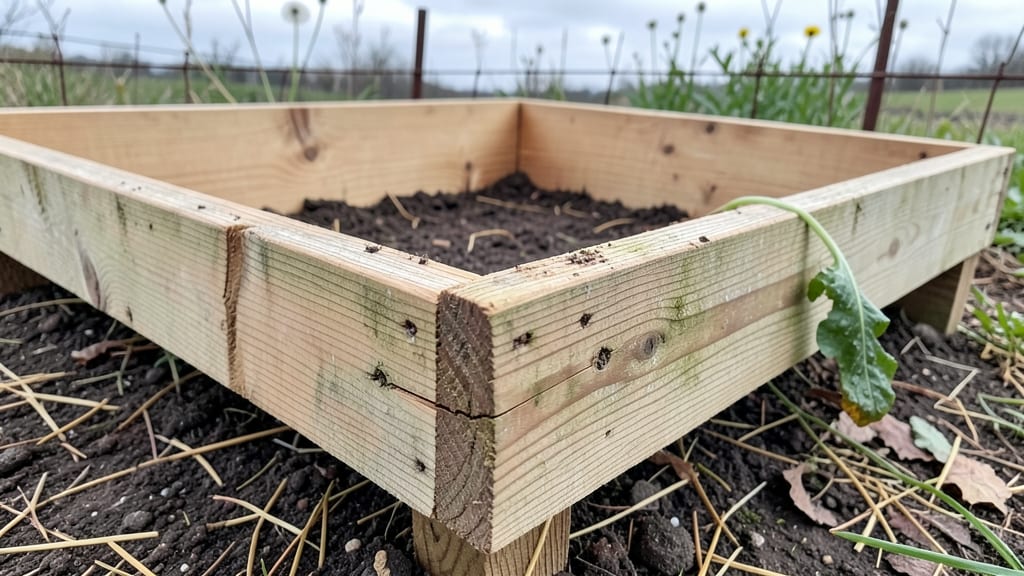
To determine how tall a raised garden bed should be, aim for 6 to 12 inches—this range balances drainage, root space, and ease of maintenance, with 8 to 10 inches working best for most plants. Taller beds (12+ inches) reduce strain on your back but demand extra soil preparation.
Height isn't just about aesthetics—it directly affects your plants' health. A 6-inch bed works for shallow-rooted herbs like basil or thyme, while 10-12 inches gives deep-rooted veggies like tomatoes the space they need to thrive.
The extra depth also helps regulate soil temperature, keeping roots cooler in summer and warmer in spring. 🔥 For accessibility, consider your gardening style: kneeling gardeners prefer 6-8 inches, while standing gardeners often opt for 10-12 inches to avoid bending.
What's interesting is how height impacts soil quality over time. Deeper beds retain moisture better, reducing watering frequency, but they also require more soil mix—typically a blend of topsoil, compost, and perlite. If you're working with limited soil, a 6-inch bed still delivers great results with proper layering techniques.
The key is matching the bed height to both your plants' needs and your physical comfort.
💡 In This Article
- Optimal Raised Garden Height for Plant Growth and Soil Health
- Accessibility and Ergonomics for Raised Garden Beds
Optimal raised garden height for plant growth and soil health
Here's what's actually happening in your raised bed when you adjust the height: root systems expand vertically to access nutrients and water, but they also need space to spread horizontally.
A 6-inch bed provides ample room for shallow-rooted plants like lettuce or basil, whose roots typically reach only 6-12 inches deep. However, deep-rooted vegetables like tomatoes or carrots need 12-18 inches of soil to develop fully—their roots can extend 3-4 feet deep when given the chance.
The extra height in taller beds creates an oxygen-rich zone at the bottom, which encourages beneficial microbial activity that breaks down organic matter into plant-available nutrients.
Drainage efficiency improves dramatically with height because excess water has more space to percolate through the soil profile. In a 6-inch bed, water may pool near the bottom during heavy rains, potentially suffocating roots.
But in a 10-inch bed, that same rainfall has 33% more vertical space to drain, reducing the risk of root rot. The science here involves soil porosity—deeper beds maintain better aeration because the compacted layer from construction or foot traffic doesn't extend as far up.
You'll also notice that taller beds maintain more consistent moisture levels; the extra soil acts like a moisture reservoir that releases water gradually to roots during dry spells.
Temperature regulation becomes a game-changer with height differences. Soil in a 6-inch bed can swing 20°F between day and night in summer, creating thermal stress for delicate plants.
But a 12-inch bed moderates these fluctuations because the deeper soil mass acts as a thermal buffer, absorbing heat during the day and releasing it slowly at night. This is particularly valuable for warm-season crops like peppers that need consistent 70-85°F soil temperatures to thrive.
The deeper profile also helps extend the growing season—spring planting can begin 2-3 weeks earlier in a taller bed because the soil warms up more gradually and retains heat longer.
What most people don't realize is how height affects nutrient retention. Deeper beds create a larger volume for compost and organic matter to decompose, which gradually releases nutrients over time.
A 10-inch bed with 2 cubic feet of soil can hold significantly more compost than a 6-inch bed, providing a steady supply of nitrogen, phosphorus, and micronutrients.
The deeper profile also allows for better stratification of soil layers—you can create distinct zones for different plant types, with heavier compost at the bottom for deep feeders and lighter mixes at the top for shallow-rooted plants.
Consider these key factors when matching plant types to bed heights:
- Shallow-rooted plants (herbs, lettuce, radishes): 4-6 inches of soil suffices—these thrive in the uppermost nutrient-rich layer
- Medium-rooted plants (beans, beets, spinach): 8-10 inches provides ideal growing space
- Deep-rooted plants (tomatoes, carrots, potatoes): 12+ inches prevents root binding and improves yield
- Perennial plants (asparagus, rhubarb): 12-18 inches required for long-term root development
The ideal height also depends on your soil composition. Sandy soils benefit from deeper beds (12+ inches) because they drain too quickly, while clay soils can sometimes work well in 8-inch beds if amended properly with organic matter.
The key is creating a balance where roots have room to explore while maintaining good moisture retention—this is why most gardeners find 8-10 inches offers the best compromise for most vegetables and herbs. 🌱