
Fertilization
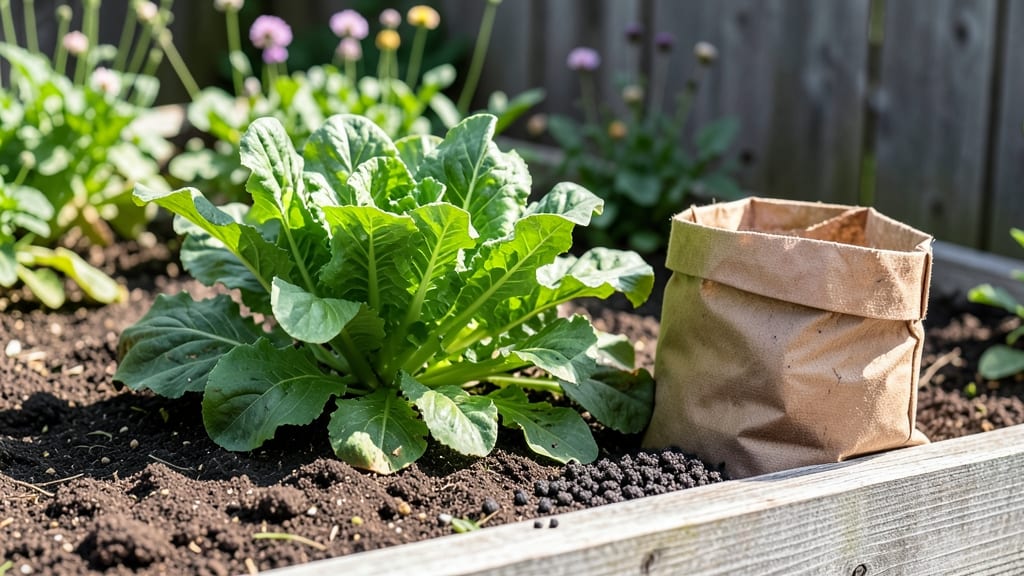
To determine how much fertilizer for garden, check soil test results first, then adjust based on plant types and fertilizer type: use ½ to 1 pound of nitrogen per 100 square feet for lawns, follow package instructions for vegetables, and apply granular fertilizer only in dry conditions for even coverage. Too much fertilizer can damage roots, so precise measurements matter.
Soil tests reveal exactly what your plants are missing—whether it's nitrogen for leafy growth, phosphorus for roots, or potassium for disease resistance. 🌱 For example, a lawn might need ½ pound of nitrogen per 100 square feet, but tomatoes could require a different NPK ratio entirely.
I always start with a simple at-home test kit before investing in lab analysis, especially for vegetable gardens where precision pays off in harvest quality.
Seasonal timing also shifts application needs. Spring feeds early growth, while fall preps plants for winter dormancy. Using a broadcast spreader for granular fertilizer ensures even distribution, but always water afterward to activate nutrients.
Pro tip: mark your calendar for reapplication—most plants benefit from 3-4 feedings per year, spaced 6-8 weeks apart.
💡 In This Article
- Interpreting Soil Test Results for Fertilizer Needs
- Step-by-Step Fertilizer Application Guide by Plant Type
Interpreting soil test results for fertilizer needs
Soil test results reveal three critical metrics that dictate your fertilizer strategy: pH levels, NPK ratios (nitrogen, phosphorus, potassium), and organic matter percentage. For instance, a pH reading of 6.0-7.0 is ideal for most vegetables, while blueberries thrive in acidic soil (pH 4.5-5.5).
The NPK numbers tell you exactly what's deficient—like a 10-10-10 reading meaning equal needs for all three nutrients, or a 30-5-5 indicating heavy nitrogen demand for leafy growth. 🌱
Nitrogen (N) fuels foliage growth, phosphorus (P) strengthens roots, and potassium (K) boosts disease resistance. A soil test showing low nitrogen (<50 ppm) might require ½ to 1 pound per 100 sq ft of a 30-0-0 fertilizer for lawns, while vegetables like tomatoes need a balanced 10-10-10 or 5-10-10 ratio.
Organic fertilizers like compost or manure release nutrients slowly, while synthetic granules provide immediate results—ideal for correcting acute deficiencies.
Organic matter percentage (typically 3-5% in healthy soil) affects nutrient retention. Sandy soils (1% organic matter) need frequent light applications, while clay soils (6%+) can hold nutrients longer.
For example, a 2% organic matter reading might mean adding 2-3 inches of compost annually to improve structure and fertility. The key is matching fertilizer type to your soil's capacity—synthetic for quick fixes, organic for long-term health.
Don't overlook micronutrients like magnesium or calcium, which soil tests often measure. A deficiency in magnesium (common in sandy soils) can cause yellowing between leaf veins, requiring Epsom salt applications (1 tablespoon per gallon of water).
Synthetic fertilizers rarely contain micronutrients, so organic options or targeted amendments become essential for balanced nutrition. 💡
Seasonal adjustments matter too. Spring applications focus on nitrogen for growth, while fall emphasizes phosphorus and potassium for root development. For instance, a 10-20-20 fertilizer in fall helps perennials store nutrients for winter. Always re-test soil after 3-4 years to track progress—what worked last season might not be needed now.
Pro tip: Keep your soil test report handy when shopping for fertilizers. The numbers guide your choices—like selecting a 12-12-12 for general garden use or a high-phosphorus (0-46-0) for flowering plants. Precision here prevents waste and protects groundwater from runoff. 🌿