
Blooming
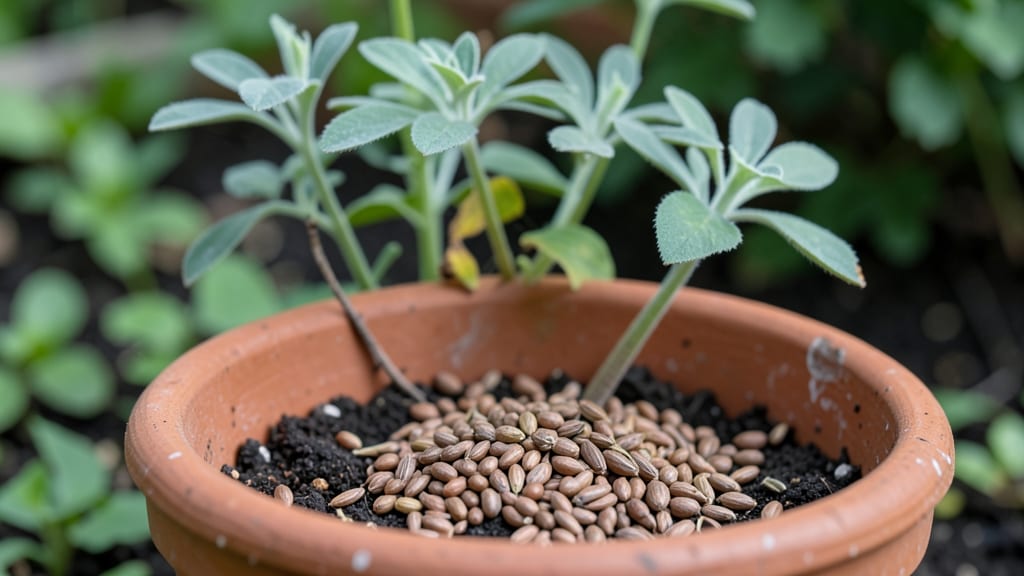
To determine how long garden seeds stay good for, know that most remain viable for 1-5 years, with vegetables typically lasting 2-3 years when stored in a cool, dry environment. Always test germination rates before planting to ensure usability.
Seed lifespan varies dramatically by type—herbs like cilantro may only last 1 year, while hardy vegetable seeds like beans can endure 5 years or more.
The real secret lies in storage: even the most durable seeds degrade faster when exposed to heat or moisture. 🔥 I’ve seen seed packets labeled "best by" dates—ignore those! What matters is the germination test, which reveals whether seeds are still capable of sprouting.
For maximum freshness, store seeds in sealed containers with silica gel packets in a refrigerator or cool basement.
Proper storage isn’t just about temperature—oxygen is the silent killer. Airtight containers with oxygen absorbers can double seed longevity, while damp conditions trigger mold before you even plant. Labeling each container with the seed type and storage date helps track freshness.
Even "old" seeds can surprise you if stored correctly—I’ve successfully grown 3-year-old tomato seeds that still sprouted at 80% viability.
💡 In This Article
- Seed Viability Factors and Longevity Charts
- Optimal Seed Storage Techniques for Extended Freshness
Seed viability factors and longevity charts
The lifespan of garden seeds hinges on their biological composition and environmental stressors. Vegetable seeds like beans and peas often last 3-5 years due to their hard seed coats that protect delicate embryos, while delicate herb seeds such as basil or dill typically degrade within 1-2 years.
Flower seeds usually fall in the middle, with 2-4 years of viability. The key mechanism here is lipid oxidation—fats within seeds break down over time, especially when exposed to warmth or light, which accelerates cellular damage and reduces germination potential.
Moisture is the silent destroyer—even slight humidity triggers enzymatic activity that speeds up aging. At 30% humidity or below, seeds remain stable, but exceeding 50% humidity can cut viability in half.
Temperature matters just as much: seeds stored at 32-41°F (ideal for most varieties) maintain viability far longer than those kept at room temperature. Oxygen exposure further compounds the problem by promoting metabolic processes that deplete stored nutrients.
For example, a packet of tomato seeds stored in a sealed, oxygen-free container may retain 70% germination after 5 years, while an unsealed packet might drop to 30% in just 2 years.
Here’s how seed types compare in real-world conditions:
- Vegetables: Beans (5 years), carrots (3 years), tomatoes (4 years)
- Flowers: Marigolds (3 years), zinnias (2 years), sunflowers (4 years)
- Herbs: Cilantro (1 year), parsley (2 years), dill (1-2 years)
The science gets even more fascinating when you consider DNA degradation. Over time, the seed’s genetic material undergoes subtle mutations, particularly in regions responsible for growth hormones. This is why older seeds may sprout but produce weaker, less vigorous plants.
For instance, 3-year-old pepper seeds might germinate at 60% efficiency, but the resulting plants could take 10% longer to mature compared to fresh seeds. 🌱
Testing germination rates is your best defense against wasted effort. The classic paper-towel method—moistening seeds between damp paper towels for 5-7 days—reveals viability without planting. If 50% or fewer seeds sprout, it’s time to replenish your supply.
Some seeds, like those from onions or leeks, are particularly finicky, with viability dropping sharply after 1 year unless stored in ideal conditions.
What most gardeners overlook is the role of seed maturity at harvest. Seeds collected from overripe or stressed plants (like those grown in extreme heat) age faster due to pre-existing cellular damage.
Always harvest seeds when the parent plant is fully mature but not wilted—this ensures the longest possible shelf life. For heirloom varieties, this attention to detail pays off in both quality and quantity of future harvests. ✨