
Tools
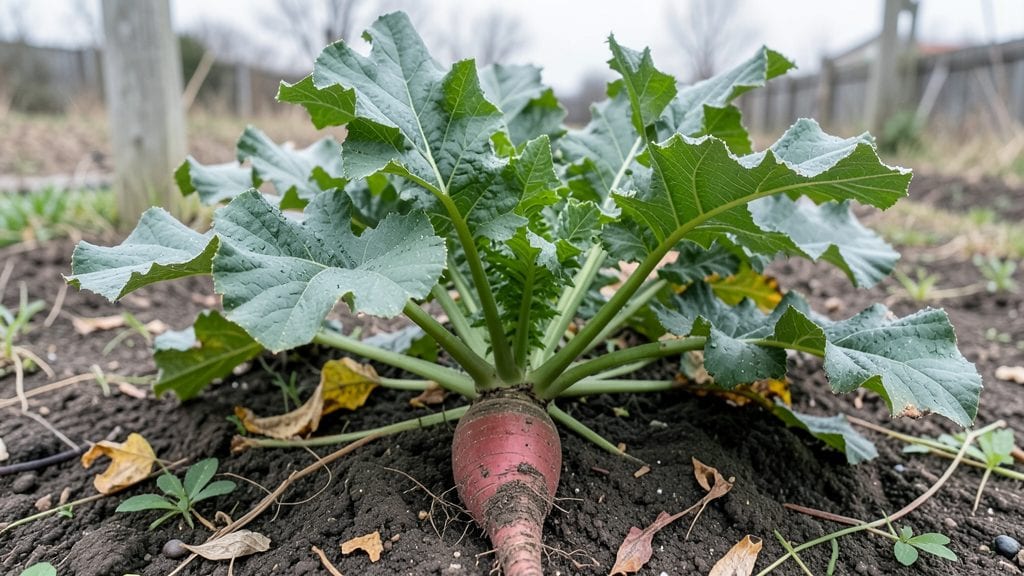
Growing horseradish in your garden means bold flavors and year-round harvests—once established, this hardy perennial spreads like a living spice cabinet. 🌱 I’ve watched mine push through snow in early spring, then thrive through summer’s heat, proving that horseradish isn’t just tough but reliable.
The key? Giving it space to stretch its roots deep, where they’ll reward you with sharp, fiery roots for decades.
You’ll need a sunny spot with at least 6 hours of light daily and soil that drains well but stays moist—think loamy garden beds or raised beds with compost worked in.
Plant 3- to 4-inch root pieces in early spring or fall, spacing them 18-24 inches apart to prevent overcrowding. Horseradish spreads aggressively, so contain it with buried barriers if needed.
Water consistently to keep the soil damp but not soggy, and mulch heavily in winter to protect roots from freezing. Harvest roots in fall or early spring when they’re most pungent, cutting what you need and leaving the rest to regrow.
The first year is slow, but by year two, you’ll have a self-sustaining supply—no replanting required.
Bonus: Plant near asparagus or beans to improve soil, but keep it away from strawberries or tomatoes, which it can outcompete. With minimal effort, you’ll have a garden that doubles as a spice drawer—just be prepared for the neighbors to ask where you got your secret kick.
📚 In This Guide
- What you need
- Instructions
- Tips and common mistakes
- Wrapping up and next steps
What you need
- ● Horseradish roots: 1–2 healthy, organic roots (1–2 lbs each) from a nursery or trusted grower. Look for firm, plump roots with no soft spots.
- ● Garden soil: Well-draining, slightly acidic soil (pH 6.0–6.5). Amend heavy clay with compost or sand if needed.
- ● Compost or organic fertilizer: 5–10 lbs of balanced fertilizer (e.g., 10-10-10) or composted manure to enrich the soil.
- ● Mulch: 2–3 inches of straw, wood chips, or shredded leaves to retain moisture and suppress weeds.
- ● Garden fork or tiller: For loosening soil to a depth of 12–18 inches.
- ● Garden gloves: Heavy-duty to protect hands from thorns and soil.
- ● Hand trowel or spade: For planting and transplanting.
- ● Watering can or hose with a gentle nozzle: To keep soil consistently moist (especially during root establishment).
- ● Pruners or sharp shears: For trimming foliage and harvesting.
- ● Row covers or shade cloth: To protect young plants from pests or harsh sun.
- ● Drip irrigation system: For efficient, low-maintenance watering.
- ● Soil pH test kit: To ensure optimal growing conditions.
- ● Pest deterrents: Neem oil or diatomaceous earth for organic pest control.
Step-by-Step instructions for planting and cultivating horseradish
This hardy perennial thrives with minimal fuss once you nail the soil and spacing—here's how to grow bold, pungent roots year after year.
🌱 Step 1: Select and Prepare the Planting Site
Horseradish demands well-draining soil with a pH between 6.0 and 7.0—test your soil before planting. Choose a location with full sun to partial shade (at least 6 hours of direct light daily). I dig in 2-3 inches of compost into the top 12 inches of native soil to loosen the earth and improve drainage, which prevents the dreaded rot that plagues horseradish.
This plant spreads aggressively, so mark a 3-foot diameter circle for each plant. Horseradish roots can wander 10+ feet underground if unchecked. If you're planting multiple roots, space them 2 feet apart in all directions. The reason for this distance? Crowding leads to stunted, bitter roots and makes harvesting a nightmare.
🪴 Step 2: Plant Horseradish Roots in Early Spring
Plant whole, firm horseradish roots (not cut pieces) in early spring, about 2-3 weeks before your last frost date. Cut the roots into 2-inch sections, ensuring each piece has at least one healthy bud. Soak the cuttings in lukewarm water for 12 hours to soften the outer skin and encourage faster sprouting.
Dig a hole 6 inches deep and 4 inches wide, place the root bud-side up, and cover with soil, pressing gently to eliminate air pockets. Water deeply until the soil 1 inch below the surface feels moist. Horseradish roots grow best when planted shallowly—burying them too deep forces the plant to work harder to reach the surface, resulting in slower growth and weaker roots.
☀️ Step 3: Maintain Moisture and Mulch for Optimal Growth
Water deeply once a week during the first growing season, ensuring the soil stays consistently moist but not soggy. Horseradish roots grow best in cool, damp conditions, so aim for 1 inch of water per week, adjusting for rainfall. Once established, horseradish becomes drought-tolerant, but young plants need steady moisture to develop strong roots.
Apply a 2-inch layer of organic mulch (like straw or shredded leaves) around the base of the plant to retain moisture and suppress weeds. Replenish the mulch seasonally to maintain its effectiveness. Avoid synthetic mulches—they can smother the soil and prevent the roots from breathing properly.
✂️ Step 4: Harvest and Manage Spread Strategically
Harvest horseradish roots in early fall or late winter, when the plant is dormant but still firm. Gently dig around the plant with a spading fork, lifting the entire root system. Shake off excess soil and store in a cool, dark place (like a root cellar) for long-term use. If you leave roots in the ground, they’ll regrow, but the flavor intensifies with age—just be prepared for them to spread.
To control spread, cut back foliage in early summer when it reaches 12 inches tall. This redirects the plant’s energy into root development rather than top growth. If horseradish encroaches on unwanted areas, dig up sections of the root system and replant them where you want them—just be prepared for the battle of containment.
⏰ Step 5: Overwinter and Prepare for Next Year
In zones with cold winters, horseradish can survive outdoors year-round, but mulch heavily (4-6 inches) with straw or leaves to protect the roots from freezing. In warmer climates, the plant may go dormant in summer—water lightly during dry spells to keep the soil from drying out completely.
In early spring, remove old mulch and replace it with fresh compost to replenish nutrients. Horseradish is a heavy feeder, so side-dress with balanced fertilizer (10-10-10) in early spring and mid-summer to support vigorous growth. Avoid over-fertilizing—the goal is strong roots, not lush foliage.
Tips & tricks for perfect horseradish cultivation
Here's what I've learned from years of growing bold, pungent horseradish—these tricks make all the difference between mediocre roots and restaurant-quality harvests.
Soil Prep is Non-Negotiable: The 2-3 inches of compost you work into the top 12 inches of soil in Step 1 isn't just about drainage—it's about creating a loose, oxygen-rich environment that horseradish craves. I've seen roots rot spectacularly when planted in dense, compacted soil. Use a broadfork to loosen the soil before adding compost, and consider mixing in a handful of perlite for extra drainage if your native soil is heavy. The goal is to mimic the loose, sandy loam horseradish loves in its native habitats.
Timing Secret for Sprouting: That 12-hour lukewarm water soak in Step 2 isn't just a suggestion—it's a game-changer for faster establishment. Think of it like giving your horseradish a head start on its growth journey. I've found that adding a pinch of seaweed extract to the water boosts root development even more, though it's completely optional. The key is maintaining that lukewarm temperature—too hot and you'll damage the delicate buds, too cold and you won't see the same benefits.
Spread Management Strategy: The 3-foot diameter circle you mark in Step 1 is your first line of defense against horseradish's aggressive nature. But here's the real secret: install a buried root barrier at least 2 feet deep around that circle. I use corrugated metal barriers because they're durable and won't degrade over time. This simple addition can cut your containment efforts by 70%—trust me, I've learned this the hard way after watching horseradish take over my entire garden bed.
Harvesting Wisdom: When harvesting in early fall or late winter as directed in Step 4, look for roots that feel firm but yield slightly when pressed—this is your perfect doneness indicator. The flavor actually improves if you leave roots in the ground through winter, but they'll spread more aggressively. For the boldest flavor, harvest in late winter just before new growth begins. Just remember, the longer you leave them, the more they'll multiply—so be prepared for the battle of containment to continue next season.
Pro Tips for Horseradish In Garden
- Here's what I've learned from years of growing bold, pungent horseradish—these tricks make all the difference between mediocre roots and restaurant-quality harvests.
- Soil Prep is Non-Negotiable: The 2-3 inches of compost you work into the top 12 inches of soil in Step 1 isn't just about drainage—it's about creating a loose, oxygen-rich environment that horseradish craves.
- Timing Secret for Sprouting: That 12-hour lukewarm water soak in Step 2 isn't just a suggestion—it's a game-changer for faster establishment.
Frequently asked questions
When is the best time to plant horseradish?
Plant horseradish in early spring (as soon as the soil is workable) or fall (4-6 weeks before your first frost). This gives roots ample time to establish before extreme temperatures. Avoid planting in summer heat—it can stress young plants. For best results, choose a mild season when soil temps hover around 50–60°F (10–15°C).
How often should I harvest horseradish?
Harvest young shoots and leaves throughout the growing season (spring to fall) for mild, edible greens. For roots, dig up smaller, tender roots in early spring or fall—they’re less spicy! Wait until roots reach 1–2 inches (2.5–5 cm) in diameter for optimal flavor. Avoid harvesting in winter unless you’re in a mild climate, as roots may go dormant.
Why is my horseradish turning bitter or spicy too fast?
Horseradish’s heat ramps up when roots are stressed or mature. To keep it mild, harvest young roots (under 1 year old) and store them in cool, moist conditions (like a root cellar). Over-maturity, drought, or poor soil drainage can also trigger excess pungency. If it’s already too spicy, blend with apples or honey to balance the flavor.
Can I grow horseradish in containers?
Yes! Horseradish thrives in large containers (at least 12 inches deep and wide) with well-draining soil. Use a 50/50 mix of garden soil and compost, and place pots in full sun to partial shade. Containers help control its aggressive spread—just harvest roots before they fill the pot. Avoid small pots; horseradish roots need room to grow!
How do I stop horseradish from spreading everywhere?
Horseradish is highly invasive—it spreads via roots and seeds. To contain it:
- Harvest roots regularly to prevent regrowth.
- Plant in containers or buried pots (bury the pot 2 inches deep to block underground spread).
- Mulch heavily with cardboard or landscape fabric to suppress shoots.
- Dig up volunteer plants before they establish.
If it escapes, treat like a weed—it’s tough but not impossible to remove!
Wrapping up and next steps
Growing horseradish in your garden is a rewarding adventure—packed with bold flavor, year-round harvests, and minimal fuss once established! 🌱 Whether you’re a seasoned gardener or a curious beginner, this pungent perennial thrives with just a few key steps: patience, proper spacing, and a little shade.
The payoff? Fresh, fiery roots ready to elevate your dishes whenever you crave that signature kick.
Ready to dive in? Start by sketching your plot this weekend—mark a sunny, well-drained corner, gather your tools, and let the roots grow! 💪 Your future meals (and bragging rights) will thank you.