
Size
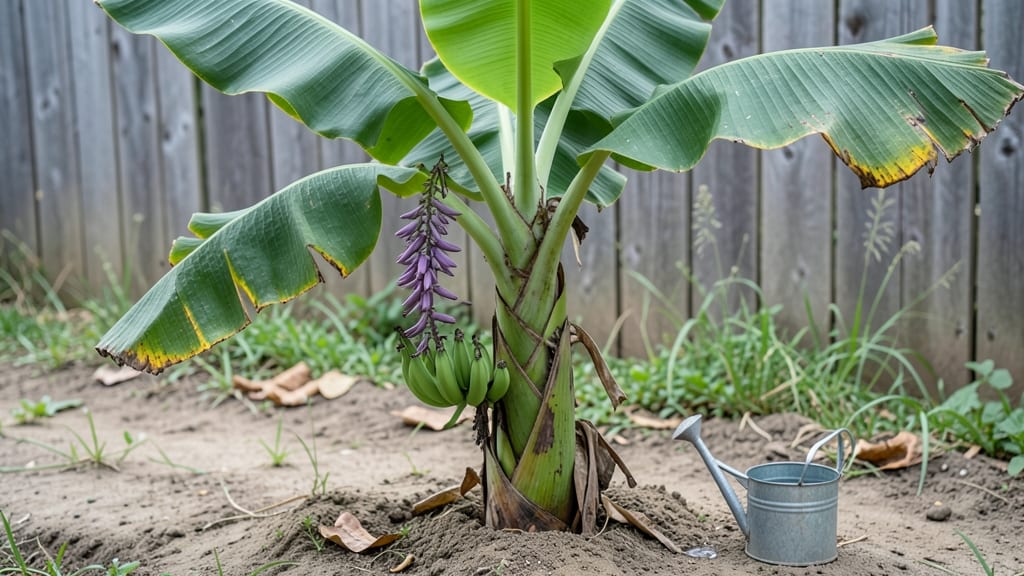
Growing a garden banana tree in containers lets you enjoy tropical fruit even in cooler climates—here’s how to make it work. 🌿 I’ve grown dwarf banana varieties for years, and the key is picking the right type (like the Dwarf Cavendish or Red Dwarf) that thrives in pots.
These compact trees produce edible fruit without taking over your yard, and with the right care, they’ll reward you with harvests in just 1-2 years.
The secret isn’t complicated—just mimic their natural tropical environment. You’ll need a 15-20 gallon container with drainage, well-draining soil mixed with compost, and a spot that gets full sun (6+ hours daily).
Banana trees love warmth but can’t handle frost, so if you’re in Zone 8 or below, move them indoors or to a greenhouse in winter. Overwatering is the biggest mistake; let the top 2-3 inches of soil dry out between waterings.
By summer, you’ll see those iconic banana leaves unfurling, and with regular feeding (balanced fertilizer every 4-6 weeks in growing season), your tree will grow 6-10 feet tall—tall enough for fruit but manageable in a pot.
The first harvest might be small, but each year, the bunches get bigger. Prune dead leaves to encourage new growth, and watch as your container becomes a mini tropical oasis with edible rewards.
Works for patios, balconies, or even sunny indoor spaces with grow lights. The only real challenge is winter care, but with a little planning, you’ll have homegrown bananas year after year—no tropical vacation required.
📚 In This Guide
- What you need
- Instructions
- Tips and common mistakes
- Wrapping up and next steps
What you need
- ● Banana plant (Musa spp.): Choose a dwarf variety (e.g., 'Dwarf Cavendish' or 'Lady Finger') for containers. Buy a healthy, potted plant or a rhizome from a nursery.
- ● Container (if growing in pots): A 15–25 gallon pot with drainage holes (minimum 18" diameter for mature plants). Terracotta or fabric pots work best.
- ● Well-draining potting mix: A blend of 60% peat moss/coco coir, 30% perlite or pumice, and 10% compost. Avoid heavy garden soil!
- ● Mulch: 2–3 inches of organic mulch (e.g., straw or wood chips) to retain moisture and regulate temperature.
- ● Fertilizer: Balanced fertilizer (10-10-10 or 20-20-20): Apply every 4–6 weeks during growing season.
- ● Banana-specific fertilizer (high in potassium & magnesium): Use monthly for fruiting plants.
- ● Garden trowel or shovel: For planting and soil amendments.
- ● Pruning shears: To trim dead leaves or overgrowth.
- ○ Support stake or trellis (optional): For heavy banana bunches (use a 3–4 ft bamboo stake or wire cage).
- ● Drip irrigation or watering can: Banana plants love consistent moisture—aim for 1–2 inches per week.
- ● Shade cloth (30–50%): Protect young plants from harsh afternoon sun in hot climates.
- ● Epsom salt (magnesium sulfate): Mix 1 tbsp per gallon of water monthly to prevent yellowing leaves.
- ● Warm climate or greenhouse: Banana trees thrive in USDA Zones 10–11. In cooler areas, grow in containers and bring indoors during winter (60°F+ minimum).
- ● Full sun (6+ hours daily): Place your banana tree in the sunniest spot—they’re tropical divas!
- ● High humidity: Mist leaves or use a humidity tray if indoor air is dry.
- ● Patience!: Dwarf varieties take 1–2 years to fruit, while larger types may take 3+ years.
Step-by-step instructions for growing a banana tree in containers
Here's the foolproof method I've used to grow banana trees in pots—no greenhouse needed.
🌱 Step 1: Select and Prepare the Right Container
Banana trees need room to grow, so choose a 5-gallon container with drainage holes—larger is always better. I use black plastic pots because they absorb heat, which mimics tropical conditions. If your pot lacks drainage, drill four ½-inch holes in the bottom to prevent root rot.
Line the bottom with 2 inches of gravel or broken pottery to improve drainage. This layer ensures excess water flows out while keeping roots anchored. Place the pot in a location where it won’t be disturbed, as banana trees dislike frequent moves once established.
🌿 Step 2: Plant the Banana Sucker Correctly
Banana trees grow from suckers—the small shoots that emerge at the base of the mother plant. Select a healthy sucker with at least 3-4 leaves and a thick stem. Remove any yellow or damaged leaves before planting.
Dig a hole in the container large enough to accommodate the sucker’s root ball. Bury it no deeper than it was in its original pot—planting too deep suffocates the roots. Gently firm the potting mix around the base, pressing lightly to eliminate air pockets. Water thoroughly until it drains from the bottom holes.
☀️ Step 3: Provide Ideal Light and Temperature
Banana trees crave full sun—at least 6-8 hours daily—but they’ll tolerate partial shade if temperatures stay above 65°F. I place mine on a south-facing patio where they get morning sun and afternoon shade in summer. If you live in a cooler climate, supplement with a grow light for 12-14 hours daily.
Keep the soil consistently moist but never soggy. Stick your finger 1 inch deep—if it feels dry, water deeply. Avoid letting the pot sit in standing water, as banana roots rot quickly in poor drainage. In winter, move the pot indoors near a sunny window or under grow lights to maintain growth.
💧 Step 4: Fertilize for Healthy Growth and Fruit Production
Feed your banana tree every 4-6 weeks during the growing season with a balanced, water-soluble fertilizer (10-10-10 or 20-20-20). I mix 1 tablespoon per gallon of water and apply it directly to the soil. Fertilizing encourages lush foliage and sets the stage for flowering.
When the plant reaches 4-5 feet tall, reduce nitrogen and increase phosphorus by switching to a 5-10-10 fertilizer. This shift promotes flowering instead of just leaf growth. Watch for pseudostems (the thick, layered trunk) to tighten—this signals the plant is ready to flower and fruit.
⏰ Step 5: Prune and Support for Fruit Bearing
Once the banana tree produces a flower stalk (a long, dramatic bloom), remove any other suckers that emerge to direct energy toward fruiting. Leave only one strong sucker as a replacement for the mother plant. Prune dead or yellowing leaves regularly to improve airflow and prevent disease.
Banana trees grow tall and top-heavy, so install a stake or trellis early to support the plant. Tie the pseudostem loosely to the stake with soft plant ties as it grows. When fruit begins to form, you’ll see hand-like clusters developing—this is your reward for patience. Harvest bananas when the peel turns yellow with speckles and the fruit yields slightly to gentle pressure.
Tips & tricks for perfectly growing a banana tree in containers
Growing banana trees in containers is entirely doable with these key insights that’ll help you avoid common pitfalls and maximize your tropical harvest.
Container Selection Wisdom: While a 5-gallon container works, don’t stop there—banana trees grow aggressively! If possible, upgrade to a 10-15 gallon container after the first year to give roots room to expand. I’ve seen plants double in size when given extra space. For drainage, consider using a pot with built-in saucers that catch excess water—this prevents root rot while keeping your patio clean.
Sucker Selection Strategy: When choosing your banana sucker, look for one with at least 4 leaves that are vibrant green and firm to the touch. Avoid suckers that are too small or have brown spots—these often indicate stress or disease. Pro tip: The sucker should be about one-third the size of the mother plant’s pseudostem. This size ensures it has enough energy reserves to establish itself in its new container.
Light and Temperature Mastery: Those 6-8 hours of sunlight are non-negotiable, but here’s the secret: banana trees actually prefer morning sun and afternoon shade in hot climates. If you’re supplementing with grow lights for 12-14 hours daily, position them 12-18 inches above the plant to mimic natural sunlight angles. For temperature, remember that 65°F is the absolute minimum—any colder and growth slows dramatically. If your home dips below this, consider a small space heater near the plant during winter months.
Fertilization Timeline: The 4-6 week feeding schedule is perfect, but here’s how to optimize it: split your fertilizer application into two doses—half in the morning and half in the evening. This two-step approach prevents nutrient burn while ensuring consistent growth. When switching to 5-10-10 fertilizer at 4-5 feet tall, reduce the amount by 25% to avoid shocking the plant. Watch for the pseudostem tightening—this visual cue means your plant is ready for flowering, and you’ll see fruit in 6-9 months if all conditions are met.
Pro Tips for Grow A Garden Banana Tree
- Growing banana trees in containers is entirely doable with these key insights that’ll help you avoid common pitfalls and maximize your tropical harvest.
- Container Selection Wisdom: While a 5-gallon container works, don’t stop there—banana trees grow aggressively!
- Sucker Selection Strategy: When choosing your banana sucker, look for one with at least 4 leaves that are vibrant green and firm to the touch.
Frequently asked questions
Got questions about growing your own garden banana tree? Here are some of the most common ones—and their answers—to help you get started confidently!
How long does it take for a banana tree to bear fruit?
A banana tree typically takes 9–18 months to produce fruit after planting, depending on the variety and growing conditions. Dwarf varieties (like 'Dwarf Cavendish') may fruit in as little as 10–12 months, while larger types can take longer. Patience is key—focus on proper care (sunlight, water, and nutrients) to speed up the process!
Can I grow a banana tree in a cold climate?
Banana trees thrive in USDA Zones 10–11 but can be grown in cooler areas with containers. Move potted trees indoors (or to a garage) when temperatures drop below 50°F (10°C). Choose cold-hardy varieties like 'Red Dacca' or 'Ice Cream Banana' for better resilience. Just ensure they get bright light year-round!
How often should I water a banana tree?
Banana trees love consistent moisture—water deeply 2–3 times per week during hot, dry spells, ensuring the soil stays evenly damp but not soggy. In containers, watering may be needed daily in summer. Mulch around the base to retain humidity, and avoid wetting the leaves to prevent fungal diseases like sigatoka.
Why isn’t my banana tree flowering?
Banana trees need specific conditions to flower: mature size (3–5 feet tall), warm temperatures (75–85°F), and proper nutrients. If yours isn’t flowering, check for:
- Age: Young trees (<1 year) won’t flower.
- Sunlight: Ensure 6+ hours of direct sun daily.
- Potassium: Feed with a banana-specific fertilizer or one high in potassium.
- Stress: Avoid overwatering or sudden temperature drops.
What can I do with banana tree leaves if I don’t get fruit?
Don’t let those big leaves go to waste! Use them for:
- Cooking: Wrap food (like fish or veggies) in leaves for a smoky flavor—common in Caribbean and Southeast Asian cuisines.
- Compost: Chop and add to compost piles for nutrient-rich soil.
- Crafts: Weave into baskets, make natural plates, or use as eco-friendly packaging.
- Mulch: Dry and shred leaves to protect plant roots in winter.
Wrapping up and next steps
Growing a garden banana tree in containers is a rewarding journey that brings tropical vibes and delicious fruit right to your doorstep! 🌱 With the right soil, sunlight, and care, you’ll soon enjoy lush foliage and sweet bananas—even in small spaces. Start small, stay patient, and celebrate every growth milestone.
Ready to take the next step? Pick your favorite banana variety, gather your supplies, and plant with confidence. Whether you’re a beginner or a seasoned gardener, your banana tree’s first leaves are just around the corner! 🍌✨