
Planting
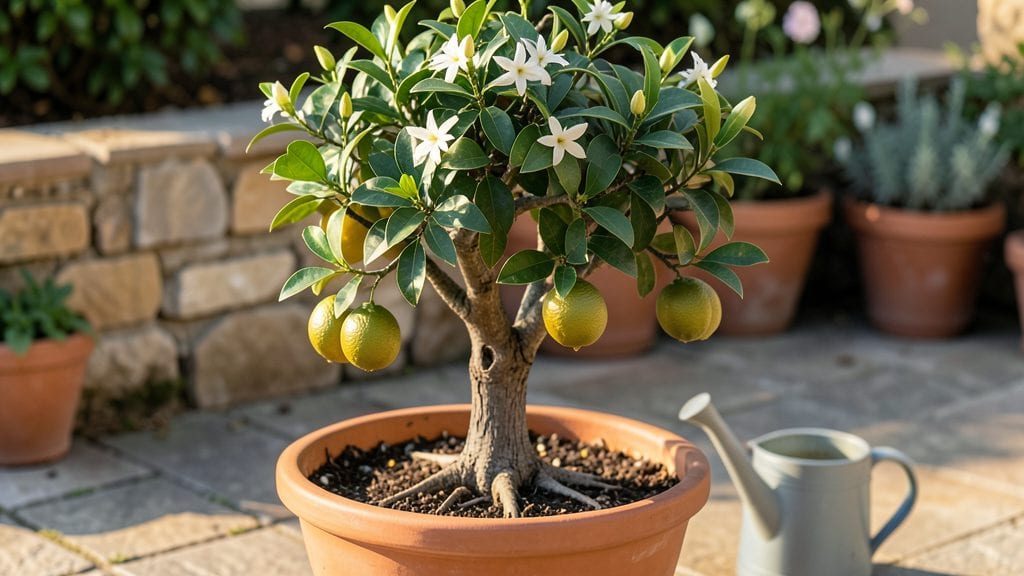
Gardening in Zone 9A lets you grow plants year-round thanks to its warm climate and minimal frost, perfect for citrus, succulents, and tropical crops like eggplant and okra. Last frost dates typically fall between December 15 and February 15, while first frosts arrive November 15 to December 30. Plan your planting to avoid summer heat stress and maximize your garden's potential.
This climate zone's mild winters and long growing season create ideal conditions for heat-loving plants that would struggle in colder regions. 🌿 The absence of harsh freezes means you can experiment with subtropical and tropical varieties, including avocados, bougainvillea, and even some citrus trees that need protection in cooler zones.
However, summer temperatures can exceed 90°F, so proper watering and shade strategies become essential for maintaining healthy growth.
One of the biggest advantages is the extended growing season—you can plant cool-season crops in late fall and still harvest before winter sets in. This flexibility allows gardeners to grow a wider variety of produce year-round, from leafy greens in winter to tomatoes and peppers in summer.
The key is understanding each plant's specific heat tolerance and adjusting your schedule accordingly.
💡 In This Article
- Understanding Zone 9A Climate and Its Impact on Plant Selection
- Zone 9A Planting Calendar: Month-by-Month Guide for Optimal Growth
Understanding zone 9A climate and its impact on plant selection
Zone 9A's climate is defined by its average minimum temperatures of 25-30°F during winter, creating a frost-free period that typically spans 300-330 days annually. This extended warmth allows subtropical and tropical plants to thrive without winter dormancy.
The region's humidity levels often range from 40-60%, with coastal areas experiencing slightly higher moisture, while inland zones may see drier conditions.
These factors directly influence plant hardiness—species adapted to warm climates with moderate water needs, like bougainvillea or Mexican sunflower (Tithonia rotundifolia), flourish here, while frost-sensitive varieties avoid winter dieback.
Soil pH plays a critical role in plant health, with most Zone 9A soils testing between 6.0-7.5—slightly acidic to neutral. Citrus trees, for example, prefer 6.0-7.0 pH, while succulents like agave thrive in 6.5-7.5.
The region's well-draining soils are ideal for drought-tolerant plants, but heavier clay soils can become compacted, requiring amendments like compost or perlite.
Microclimates further complicate selection—coastal areas with 60-70°F average winters may support banana trees, while inland zones with 40-50°F lows require cold-hardy alternatives like Mexican orange blossom (Choisya ternata).
Heat stress becomes a major factor during summer, when temperatures often exceed 95°F for weeks. Plants like okra and sweet potatoes have evolved to handle these conditions with thick cuticles and deep root systems, while heat-sensitive crops (e.g., lettuce) bolt or wilt.
Mulching with 3-4 inches of organic matter helps retain moisture and regulate soil temperature, reducing stress. Irrigation timing matters too—watering early morning minimizes evaporation, while afternoon watering can scorch leaves. The key is matching plant physiology to these seasonal extremes.
Here's what makes Zone 9A unique compared to other warm climates:
- Extended frost-free windows: Unlike Zone 10A (where frosts are rare), Zone 9A's 15-30 days of potential frost require strategic planting to avoid damage.
- Humidity variations: Coastal areas (e.g., Los Angeles) have 50-60% humidity, while desert-adjacent zones (e.g., Phoenix) may drop to 20-30%, affecting transpiration rates.
- Soil diversity: Volcanic soils in Hawaii provide excellent drainage, while alluvial soils in California's Central Valley hold moisture longer.
What most gardeners don't realize is how microclimates within Zone 9A create niche opportunities. A north-facing slope may stay 10°F cooler than a south-facing yard, allowing you to grow cooler-loving crops like broccoli in summer.
Shade from structures or trees can reduce ground temperatures by 5-10°F, extending the growing season for heat-sensitive plants. These variations mean your 50-foot backyard might support both mango trees and artichokes—if you position them correctly.
For example, a Mexican lime tree (Citrus aurantifolia) thrives in full sun with 6-8 hours of direct light daily, while its fruit ripens best when daytime highs reach 80-90°F. Meanwhile, a rosemary bush in the same garden may struggle in summer heat unless given afternoon shade.
The solution? Pair heat-lovers with drought-tolerant companions and use drip irrigation to deliver water directly to roots, reducing waste and stress.
The takeaway is this: Zone 9A's climate rewards gardeners who understand these nuances. By leveraging microclimates, adjusting soil conditions, and selecting plants with complementary needs, you can create a year-round edible landscape that outperforms traditional seasonal gardens. The secret lies in working with—not against—the region's natural patterns. 🌱