Planting
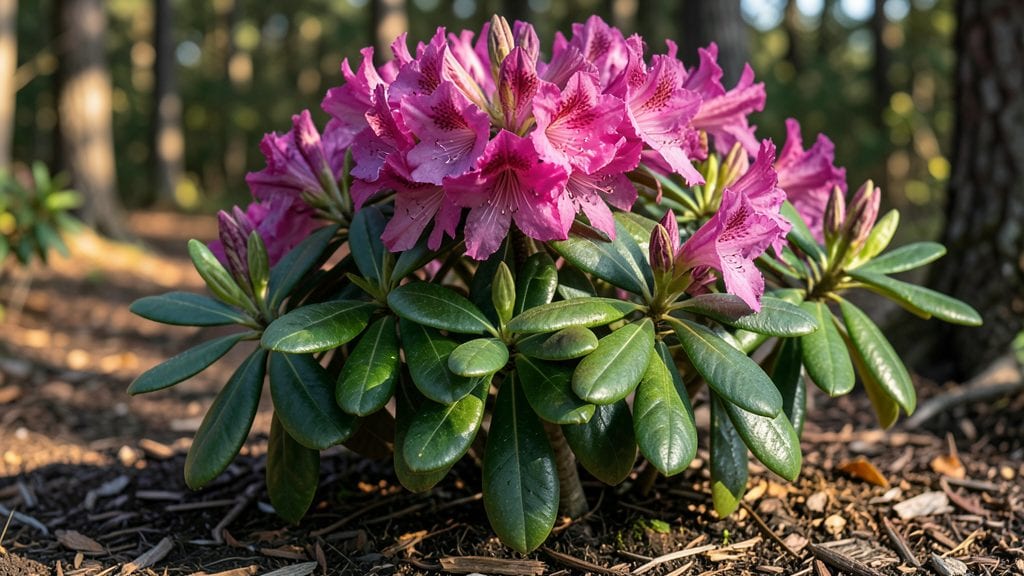
Gardening in Washington State means embracing a landscape where rain-fed forests meet sun-drenched orchards, and your yard can be just as dramatic. 🌿 The key isn’t fighting the climate—it’s working with it, whether you’re in the damp Puget Sound region or the drier Eastern WA plains.
Native plants like sword ferns, salal, and Oregon grape thrive here year-round, while cold-hardy varieties like serviceberry and ninebark reward patience with stunning seasonal color.
Spring in WA is all about timing—plant cool-season crops like peas and lettuce as soon as the soil warms in March, but hold off on tomatoes until after the last frost in May.
Summer brings slugs and fire blight, so mulch heavily and monitor orchards closely. Even winter has its gifts: evergreens stay lush, and dormant perennials prepare for next year’s blooms.
You’ll end up with a garden that feels like a local masterpiece—low-maintenance, wildlife-friendly, and packed with plants that actually want to grow here. The air smells richer with native blooms, and your yard becomes a sanctuary for bees, butterflies, and birds.
Plus, you’ll save time and water by avoiding plants that struggle in WA’s unique microclimates.
Whether you’re in Seattle’s rain shadow or the Columbia Basin’s sunbaked hills, these strategies adapt to your corner of the state. Let’s turn your yard into a thriving PNW oasis—one that works as hard as you do.
📚 In This Guide
- What you need
- Instructions
- Tips and common mistakes
- Wrapping up and next steps
What you need
- ● Native plants: Choose 3–5 species suited to your zone (e.g., Symphyotrichum subspicatum for purple blooms, Gaillardia aristata for drought tolerance). Buy 1–3 plants per variety.
- ● Soil amendments: Compost (5–10 lbs per 10 sq ft) – Boosts fertility.
- ● Native soil mix (2–3 cubic yards) – Mimics local conditions.
- ● Basic tools: Trowel (1–2) – For planting small seeds.
- ● Garden fork (1) – Loosens clay-heavy WA soil.
- ● Pruners (1 pair) – Sharp, bypass-style for clean cuts.
- ● Watering can or hose (1) – Drip irrigation preferred for efficiency.
- ● Mulch: 2–3 inches of cedar chips or straw (helps retain moisture in WA’s varied climate).
- ● Gloves & sun hat: Essential for comfort during long planting sessions.
- ● pH testing kit – Ensures soil is 6.0–7.0 (ideal for most natives).
- ● Drip irrigation system – Saves water and time.
- ● Native seed bombs (DIY or store-bought) – Great for wildflower meadows.
- ● Bird feeders & baths – Attract pollinators like hummingbirds and bees!
- ● Weather-resistant trellises – Supports climbing natives like Clematis.
Step-by-Step guide to Washington State native plant gardening
Transform your yard into a thriving Washington ecosystem with these proven native plant strategies.
🌱 Step 1: Select the Right Native Plants for Your Region
Washington's climate varies dramatically from dry eastern slopes to wet western forests. I always start by identifying my specific zone—whether Zone 6-7 for eastern WA or Zone 7-9 for western WA. For year-round interest, I select a mix of evergreens like Oregon grape and salal, deciduous shrubs like red twig dogwood, and perennials such as yarrow and sword fern.
Native plants naturally thrive with minimal intervention. Look for species that match your soil type—sandy loam for eastern WA or clay-rich soils for western WA. I avoid non-native invasives like English ivy, which can smother native ecosystems. Instead, I choose plants like Pacific rhododendron that support local pollinators and wildlife.
☀️ Step 2: Prepare Your Soil for Washington's Unique Conditions
Washington's soils can be either nutrient-poor or waterlogged, depending on location. I always conduct a simple soil test using a DIY kit to check pH and organic matter. For acidic-loving plants like rhododendrons, I aim for a pH between 4.5-6.0. In eastern WA, I might amend with pine bark fines to improve drainage, while in western WA, I focus on adding compost to heavy clay soils.
Don't till excessively—Washington's native plants evolved in undisturbed soils. Instead, I use a broadfork to loosen the top 6-8 inches without breaking up the natural soil structure. This preserves beneficial mycorrhizal fungi that native plants rely on. I also mulch heavily with cedar chips to conserve moisture and suppress weeds, which is especially important during our dry summer months.
💧 Step 3: Plant Using Native Techniques for Long-Term Success
Native plants hate being overwatered, so I always plant during Washington's cooler, wetter months (September-March) when natural rainfall helps establish roots. Dig holes twice as wide as the root ball but only as deep. The top of the root ball should sit just above ground level—burying too deep can suffocate plants.
I water deeply right after planting to settle the soil, then let nature take over. In western WA, I might water once a week for the first month to help roots establish, while in eastern WA, I might wait until the soil is completely dry before watering again. The key is to mimic natural rainfall patterns rather than keeping soil constantly moist.
🌿 Step 4: Maintain with Minimal Intervention
Once established, native plants in Washington require very little care. I focus on three main tasks: mulching annually, pruning dead growth in early spring, and removing invasive weeds before they spread. I add 2-3 inches of mulch in late winter to protect roots from freezing and thawing cycles that can damage plants.
Watch for signs of stress—yellowing leaves often indicate overwatering, while crispy edges suggest underwatering. I've found that native plants in Washington actually perform better with less frequent, deeper watering rather than shallow daily watering. This encourages deep root growth that can withstand our occasional drought periods.
⏰ Step 5: Plan for Year-Round Interest and Wildlife Support
To create a garden that thrives in all four seasons, I layer plants with different bloom times and structural features. I plant early spring bloomers like western trillium, summer flowers such as beard tongue, and fall interest plants like Pacific crabapple. Evergreens like vine maple provide winter structure when other plants are dormant.
Native gardens in Washington become wildlife magnets. I've seen hummingbirds, bees, and even deer visit my garden within the first year. To maximize benefits, I plant in clusters of 3-5 plants rather than single specimens. This creates more habitat and makes the garden more resilient to pests and diseases that might affect isolated plants.
Tips & tricks for perfect Washington State native plant gardening
A few strategic moves can transform your Washington garden from ordinary to extraordinary with minimal effort.
Selection Strategy: When choosing plants in Step 1, prioritize native species that match your specific microclimate. For example, if you're in the Puget Sound region (Zone 7-9), Oregon grape thrives in partial shade while salal prefers drier slopes. I've found that grouping plants by their natural habitat needs—like moisture-loving sword fern near water sources—reduces maintenance dramatically. This clustering mimics how plants grow naturally in Washington's diverse ecosystems.
Soil Prep Secret: In Step 2, don't overlook the importance of that 6-8 inch broadfork depth—this is where the magic happens for Washington's native plants. The key is to preserve those mycorrhizal fungi networks that help plants absorb nutrients. I always test my soil pH first because our native rhododendrons absolutely hate alkaline soil. If your test shows pH above 6.0, add sulfur gradually over time rather than all at once, which can shock plant roots.
Planting Timing: The September-March window in Step 3 isn't just about cooler weather—it's about taking advantage of Washington's natural rainfall patterns. I've planted in summer by mistake, and those plants struggled through our dry months. The secret is to plant when your region's average rainfall is highest. For western WA, that's typically October-November, while eastern WA benefits most from spring planting when snowmelt provides consistent moisture.
Maintenance Mindset: Remember in Step 4 that "less is more" is the Washington native plant motto. That 2-3 inches of cedar mulch isn't just decoration—it's a protective blanket that regulates soil temperature and retains moisture during our dry summers. I've seen gardens where people over-mulched, creating anaerobic conditions that actually harm plants. The goal is to mimic the natural forest floor where mulch breaks down slowly, enriching the soil over time.
Pro Tips for Gardening Washington State
- A few strategic moves can transform your Washington garden from ordinary to extraordinary with minimal effort.
- Selection Strategy: When choosing plants in Step 1, prioritize native species that match your specific microclimate.
- Soil Prep Secret: In Step 2, don't overlook the importance of that 6-8 inch broadfork depth—this is where the magic happens for Washington's native plants.
Frequently asked questions
Got questions about gardening in Washington State? You’re not alone—this diverse climate and native plant ecosystem can be both rewarding and tricky! Here are answers to some of the most common queries to help you thrive.
What’s the best time to plant in Washington State?
Timing depends on your zone! In western WA (zones 7-9), spring (March–May) and fall (September–October) are ideal for most plants. Eastern WA (zones 4-7) favors late spring (May–June) to avoid frost. Native perennials often prefer fall planting—they establish roots before winter. Always check the WSU Extension for localized advice!
How do I protect plants from Washington’s harsh winters?
Use mulch (3–4 inches of straw or wood chips) to insulate roots. Burlap wraps or frost cloths shield tender plants from wind and freezing temps. For evergreens, anti-desiccant sprays prevent winter burn. Group plants together to create microclimates—nature’s built-in protection!
Are there pest-resistant native plants for WA gardens?
Oregon grape (Mahonia)
, salal (Gaultheria shallon), and yarrow (Achillea) are tough and rarely bothered by pests. Western red cedar deters deer and rodents. Pair natives with companion plants (e.g., lavender + roses) to naturally repel bugs. Avoid over-fertilizing—it attracts pests!
How often should I water in Washington’s dry summers?
Deep watering 1–2 times per week (early morning) is key, but adjust for soil type. Sandy soils (common in eastern WA) dry fast—water more frequently but less deeply. Clay soils (western WA) hold moisture longer. Drip irrigation or soaker hoses conserve water and reduce evaporation. Mulch heavily to lock in moisture!
Can I grow vegetables in Washington’s climate?
Yes! Cool-season crops (kale, carrots, peas) thrive in spring/fall. Heat-lovers (tomatoes, peppers) need summer’s warmth—consider row covers for early starts. Extended-season varieties (e.g., ‘Santee’ strawberries) work well. For short summers (eastern WA), try container gardening to control microclimates.
What’s the easiest way to troubleshoot dying plants?
Start with the 3 Cs:
- Check roots: Pull back mulch—are roots dry or rotting?
- Curl leaves: Yellowing = overwatering; brown edges = underwatering.
- Chew marks: Pest damage? Inspect stems and undersides.
Wrapping up and next steps
Gardening in Washington State is a rewarding journey filled with year-round beauty—whether you’re nurturing native plants, embracing seasonal blooms, or creating a thriving ecosystem. By mastering local species and adapting to the region’s unique climate, you’ll not only enhance your outdoor space but also support wildlife and sustainability. 🌿
Now that you’re equipped with the right tools and knowledge, it’s time to roll up your sleeves and start planting! Begin with a small patch or a single native plant, and watch your green thumb grow. Happy gardening—your Washington landscape awaits! 🌱