
Companion Plants
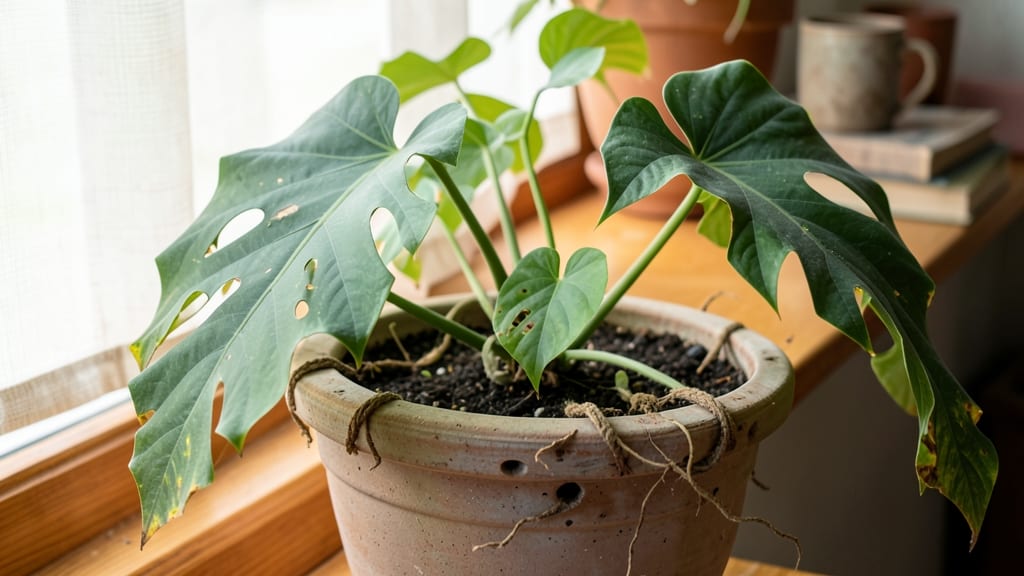
Gardening tropical plants 🌴 can turn even a modest space into a vibrant escape—no matter where you live.
Picture this: lush ferns thriving in your living room, hibiscus blooming on your balcony, or a banana tree reaching for the sky in your backyard. The secret isn’t luck—it’s knowing how to recreate their natural environment, from humidity tricks to light hacks that work year-round.
Most tropical plants need bright, indirect light and consistent moisture, but they’re tougher than you think. With the right soil, watering routine, and a few simple adjustments, you can keep them happy even in dry climates or winter months.
In this guide, I’ll walk you through selecting the best varieties for your space, mastering care routines, and avoiding the biggest mistakes that kill tropical plants faster than you’d expect.
Best tropical plants for humid gardens and how to choose them
Creating a humidity-loving garden doesn’t require a tropical climate—just the right tropical plants and care strategies. Whether you're in a USDA Zone 9-11 or a cooler region, selecting plants that thrive in high humidity and warmth can transform your outdoor space into a lush paradise.
The key is matching your garden’s sunlight exposure, soil type, and microclimate to the plant’s needs.
For year-round success, focus on varieties that tolerate your local conditions while still delivering vibrant foliage and exotic blooms. My top recommendations include hibiscus for bold flowers, bird-of-paradise for striking foliage, and ferns for lush greenery.
Each of these thrives in humid environments but has unique requirements for light, water, and soil. Let’s break down how to choose the perfect mix for your garden.
When selecting tropical plants, start by assessing your garden’s sunlight exposure. Full-sun lovers like bird-of-paradise and hibiscus need at least 6 hours of direct sunlight daily, while shade-tolerant varieties such as calathea and ferns thrive in dappled or indirect light.
If your space gets morning sun and afternoon shade, opt for palms or bromeliads, which adapt well to these conditions.
Next, consider your local humidity levels. Most tropical plants prefer 60-80% humidity, but some, like calathea, demand 80% or higher.
If your climate is drier, group plants together to create a microclimate or use a humidifier for container plants. Misting leaves in the morning can also help, but avoid wetting foliage in hot afternoons to prevent fungal diseases like powdery mildew.
Soil drainage is another critical factor. Tropical plants hate soggy roots, so amend heavy clay soil with compost or perlite to improve aeration. For container gardening, use pots with drainage holes and a well-draining mix of peat moss, orchid bark, and sand. This combo mimics the acidic, airy soils of tropical forests and prevents root rot.
For low-maintenance options, bird-of-paradise and dwarf palms are excellent choices—they tolerate drought once established and require minimal pruning. If you love colorful blooms, hibiscus and orchids will reward you with seasonal flowers if given the right light and nutrients.
Feed these plants monthly during growing seasons with a balanced fertilizer (e.g., 10-10-10) to encourage
Year-round care tips: lighting, watering, and humidity control for tropical plants
Creating the perfect environment for tropical plants in non-tropical climates requires a few key adjustments. These plants thrive in warmth, high humidity, and consistent moisture, so mimicking their natural habitat is essential. Whether you're growing orchids, ferns, or hibiscus, understanding their needs will help them flourish year-round.
Start by placing them where they receive bright, indirect sunlight—a critical factor for their health and growth.
Indoor tropical plants often struggle with low humidity levels common in homes during winter. Without intervention, dry air can cause leaf browning, stunted growth, or even death. Outdoors, sudden temperature drops or harsh winds can also stress these delicate plants.
The solution? A combination of proper lighting, consistent watering, and humidity control tailored to your climate. Let’s break down the essential steps to keep your tropical garden lush and vibrant.
- 1. Lighting: Place plants near east or west-facing windows for bright indirect light. Use grow lights (6-8 hours/day) if natural light is insufficient. Avoid direct midday sun, which can scorch leaves.
- 2. Watering: Water when the top inch of soil feels dry. Use room-temperature water and avoid wetting leaves to prevent fungal diseases. Deep watering (1-2 gallons per plant) encourages strong root growth.
- 3. Humidity Control: Maintain 50-70% humidity with a humidifier or pebble tray. Group plants together to create a microclimate. Misting leaves daily in dry climates helps, but avoid over-misting to prevent mold.
- 4. Indoor vs. Outdoor Placement: Move outdoor plants indoors before temperatures drop below 50°F. Use a greenhouse or conservatory for year-round outdoor growing in colder zones. Ensure good airflow to prevent stagnant air and pests.
- 5. DIY Humidity Hacks: Place a shallow tray of water near plants and cover with pebbles. Use a spray bottle for quick humidity boosts. A closed terrarium works well for small tropical plants like ferns or fittonia.
For lighting, I’ve found that grow lights are a game-changer during winter months when natural light is scarce. A simple LED grow bulb placed 12-18 inches above your plants can provide the full-spectrum light they need.
Rotate your plants every few days to ensure even growth and prevent them from leaning toward the light source. If you notice yellowing leaves, it could signal either too much direct sun or underwatering—adjust accordingly.
When it comes to watering tropical plants, consistency is key. These plants despise dry soil but also hate waterlogged roots. I recommend using a moisture meter to check soil conditions before watering.
In indoor settings, terracotta pots can help wick away excess moisture, while outdoor containers should have drainage holes. Always water at the base of the plant to keep foliage dry and reduce the risk of fungal infections.
Humidity is often the biggest challenge for indoor tropical plants. If your home has dry air, especially in winter, consider investing in a small humidifier near your plant collection.
Alternatively, you can create a DIY humidity dome using a clear plastic bag over a group of plants—just remember to remove it daily for airflow. For outdoor tropical plants, mulching around the base helps retain moisture and mimics the damp forest floors they’re accustomed to.
Don’t forget to monitor your plants for signs of stress, like drooping leaves or brown tips. These are often early warnings of humidity issues, improper lighting, or inconsistent watering. With the right care, your tropical garden can thrive year-round, bringing a touch of paradise to your space.
Start with these basics, and you’ll be well on your way to nurturing a lush, exotic oasis—no matter where you live! 🌿