
Tools
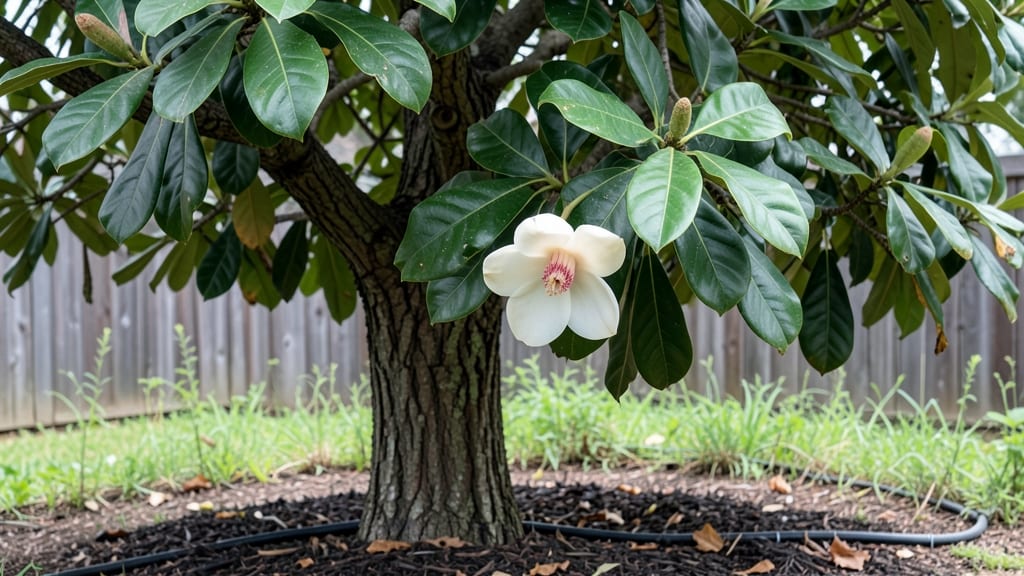
Gardening in Arkansas means working with humidity that could either drown your plants or turn them into jungle giants—if you know the right tricks. 🌿 I’ve spent years wrestling with soggy soil and sudden downpours, but now my garden thrives year-round with just a few climate-smart adjustments.
The key is choosing plants that love the heat and moisture, like okra, sweet potatoes, and native azaleas, while giving others a break with shade cloth or raised beds.
Arkansas’s mild winters also mean cool-season crops like lettuce and broccoli grow fast—just plant them early or late to avoid summer’s intensity.
You’ll end up with a garden that’s lush even in July, thanks to mulch that locks in moisture and drip irrigation that keeps roots happy without overwatering. The Arkansas Cooperative Extension Service has free guides on local varieties, so you’re never guessing what’ll grow best.
From blackberries in spring to pumpkins in fall, this state’s gardening season never truly ends—you just have to play by its rules. Let’s make your plot as resilient as the locals.
📚 In This Guide
- What you need
- Instructions
- Tips and common mistakes
- Wrapping up and next steps
What you need
- ● Soil: 10+ bags of well-draining garden soil (e.g., Miracle-Gro Garden Soil or local compost-amended mix). Arkansas clay? Mix in 30% sand or perlite to improve drainage.
- ● Mulch: 2–3 cubic yards of pine straw or shredded bark to retain moisture and suppress weeds.
- ● Organic fertilizer: Balanced 10-10-10 or compost (5–10 lbs per 100 sq. ft.). Arkansas’s heat depletes nutrients fast!
- ● Seeds/Plants: Choose heat-tolerant varieties (e.g., okra, sweet potatoes, or native wildflowers like black-eyed Susans).
- ● Hand trowel (stainless steel, 5–6" blade) for precision planting.
- ● Pruners (bypass type, sharp and sterilized) to trim without damaging plants.
- ● Garden hose with adjustable nozzle (or drip irrigation kit for water efficiency). Arkansas humidity = fungal risks!
- ● Gloves (nitrile-coated for durability) to protect against thorns and blisters.
- ● Wheelbarrow (1–2 cubic ft. capacity) for hauling soil and mulch.
- ● Shade cloth (30–50% coverage) for seedlings in peak summer.
- ● Soil pH test kit (Arkansas soil is often acidic; lime may be needed for veggies).
- ● Rain gauge to track watering needs (humidity = tricky moisture balance!).
- ● Knee pads because your knees will thank you.
Instructions for year-round gardening success in Arkansas
Arkansas's humid climate demands smart planning—here's how to keep your garden thriving all year.
🌱 Step 1: Prepare Soil for Arkansas's Heavy Clay
Arkansas soil is famously heavy and dense, so I always start by amending it with 3-4 inches of compost mixed into the top 6 inches of soil. This improves drainage and aeration, which is critical in our wet summers. Work the compost in during late winter or early spring when the ground is workable but not waterlogged.
For raised beds, I use a mix of 50% native soil, 30% compost, and 20% perlite or pine fines to create a lighter, more forgiving growing medium. The pine fines help retain moisture while preventing compaction. Test your soil's pH—most Arkansas soils run acidic, so you may need to add lime to bring it up to 6.0-6.5 for most vegetables.
☀️ Step 2: Adjust Planting for Arkansas's Hot, Humid Summers
Heat and humidity stress plants, so I focus on shade-loving varieties during peak summer months. Choose heat-tolerant crops like okra, sweet potatoes, and malabar spinach for summer planting, and opt for fast-maturing varieties with 50-60 day harvest times to beat the worst heat. Always plant in late afternoon to reduce transplant shock from intense midday sun.
Use mulch heavily—I apply 2-3 inches of straw or pine straw around plants to keep roots cool and moisture levels stable. This also suppresses weeds, which thrive in Arkansas's warm, damp conditions. For container gardens, I use black plastic mulch to raise soil temperatures slightly for cool-season crops in early spring or late fall.
💧 Step 3: Master Watering for Arkansas's Unpredictable Rain
Arkansas's frequent rain means most gardens get enough water, but timing matters. I water deeply 2-3 times per week during dry spells, aiming for 1-1.5 inches of water per session. The key is to water early in the morning so foliage dries quickly, preventing fungal diseases like powdery mildew that thrive in our humidity.
For container gardens, I check soil moisture daily—containers dry out faster, especially in Arkansas's intense summer sun. Use your finger to test moisture: if the top 1 inch of soil feels dry, it's time to water. Drip irrigation systems work best here, delivering water directly to roots without wetting leaves. Avoid overhead sprinklers, which spread fungal spores and encourage disease.
✂️ Step 4: Prune and Maintain for Arkansas's Pest Pressures
Arkansas's warm climate attracts pests year-round, so I stay vigilant with pruning and maintenance. Remove any yellow or diseased leaves immediately—they spread problems fast in our humidity. For tomatoes and peppers, I prune suckers regularly to improve airflow and reduce disease risk. I also rotate crops annually to prevent soil-borne pests from building up.
Use row covers in early spring to protect young plants from flea beetles and other pests that emerge as temperatures rise. For established plants, I apply neem oil or insecticidal soap at the first sign of trouble—these work well in Arkansas's heat and humidity without harming beneficial insects. Always spray in the early morning or evening to avoid burning foliage in the midday sun.
⏰ Step 5: Plan for Arkansas's Mild Winters
While Arkansas winters are mild, frost can still damage tender plants. I protect sensitive crops like citrus and tropicals with row covers or frost cloth when temperatures dip below 28°F. For container gardens, I move pots to sheltered locations or wrap them in bubble wrap to insulate roots.
Use winter as a time to plan ahead. I take soil samples in late winter to check nutrient levels and amend as needed. This is also the perfect time to plant cover crops like winter rye or clover to improve soil health for next year's garden. Arkansas's extended growing season means you can squeeze in extra harvests—just be ready to act quickly when spring arrives.
Tips & tricks for perfect year-round Arkansas gardening
Arkansas's humidity and clay soil can make gardening tricky—but these pro tips will help you grow like a local.
Soil Prep Secret: When mixing your 3-4 inches of compost into the top 6 inches of soil, don't just scratch it in! Use a broadfork to loosen the heavy clay first—this creates better channels for roots and water. I dig down about 8-10 inches to really break up that compacted Arkansas clay. This extra effort pays off with better drainage during our wet summers.
Heat-Tolerant Planting Strategy: For those 50-60 day harvest times during summer, I always plant in blocks rather than rows. This creates microclimates where some plants get shade from others during peak afternoon heat. Also, consider succession planting every 2 weeks—this ensures you're always harvesting something fresh without overcrowding your garden.
Watering Wisdom: Those 2-3 times per week waterings should be done with a soaker hose or drip system. I set mine on a timer for 30 minutes in the morning—this gives you that 1-1.5 inches without wetting leaves. For container gardens, I add a moisture meter to avoid the guesswork of that 1-inch dry soil test—they're worth the investment for Arkansas's intense sun.
Winter Protection Hack: When temperatures approach 28°F, I double up on protection for tender plants. First, wrap containers in bubble wrap, then cover with frost cloth, and finally add a layer of straw mulch. This three-layer system has saved my citrus trees through Arkansas's coldest snaps. For in-ground plants, I mound extra soil around the base to create insulation.
Pro Tips for Gardening In Arkansas
- Arkansas's humidity and clay soil can make gardening tricky—but these pro tips will help you grow like a local.
- Soil Prep Secret: When mixing your 3-4 inches of compost into the top 6 inches of soil, don't just scratch it in!
- Heat-Tolerant Planting Strategy: For those 50-60 day harvest times during summer, I always plant in blocks rather than rows.
Frequently asked questions
Got questions about gardening in Arkansas’s unique climate?
Here are answers to the most common ones—from timing tips to troubleshooting tricks—so you can grow with confidence!
When is the best time to start planting in Arkansas?
The ideal window depends on your crop! For cool-season veggies (like lettuce or spinach), plant late winter to early spring (Feb–March) or late summer to fall (Sept–Oct). Warm-season plants (tomatoes, peppers) thrive when soil temps hit 60°F+—aim for April to May. Use Arkansas Cooperative Extension’s frost dates as your guide!
How do I deal with Arkansas’s humidity and pests?
Humidity + pests = a gardener’s double whammy! Prevent pests with row covers, neem oil, or companion planting (e.g., marigolds repel nematodes). For fungal issues (like powdery mildew), improve airflow with spacing and water at soil level (not overhead). Pro tip: Mulch with straw or pine needles to deter slugs and retain moisture!
Can I garden year-round in Arkansas, or do I need a greenhouse?
Yes! Arkansas’s mild winters (Zone 6–8) allow year-round gardening for hardy crops like kale, carrots, and garlic. Use row covers or cold frames to extend seasons. For tropical plants (like okra or sweet potatoes), start seeds indoors in late winter or transplant after last frost. A small greenhouse helps in extreme cold snaps (<32°F), but many gardeners skip it for short winters.
What are the easiest low-maintenance plants for Arkansas beginners?
Start with these resilient, high-yield picks:
- Tomatoes (cherry varieties like ‘Sweet 100’ thrive in heat)
- Green beans (bush types need minimal trellising)
- Swiss chard (tolerates humidity and partial shade)
- Zinnias (drought-resistant, attract pollinators)
- Herbs (basil, cilantro) (fast-growing, great for containers)
Pro tip: Succession plant (sow seeds every 2–3 weeks) for continuous harvests!
Why are my plants wilting even though I’m watering them?
Wilting in Arkansas often signals overwatering, poor drainage, or heat stress. Check for:
- Watering habits: Arkansas clay soil stays soggy—water deeply 2–3x/week (morning is best) and let soil dry slightly between sessions.
- Root health: Gently tug plants—if they pull out easily, roots need more oxygen (amend soil with compost).
- Heat shock: Mulch heavily and shade young plants during 90°F+ days.
If wilting persists, check for pests (aphids, spider mites) on undersides of leaves!
Wrapping up and next steps
Gardening in Arkansas is a rewarding adventure—whether you're nurturing humidity-loving plants or tackling the state’s unique climate challenges. With the right tools, soil prep, and seasonal strategies, your garden can thrive year-round, from heat-resistant veggies to lush native flowers. 🌿
Ready to dig in? Start small—pick one project (like a raised bed or shade garden) and build from there. Before you know it, you’ll be harvesting fresh produce or admiring blooms that only Arkansas can grow. Happy gardening! 🌱