
Tools
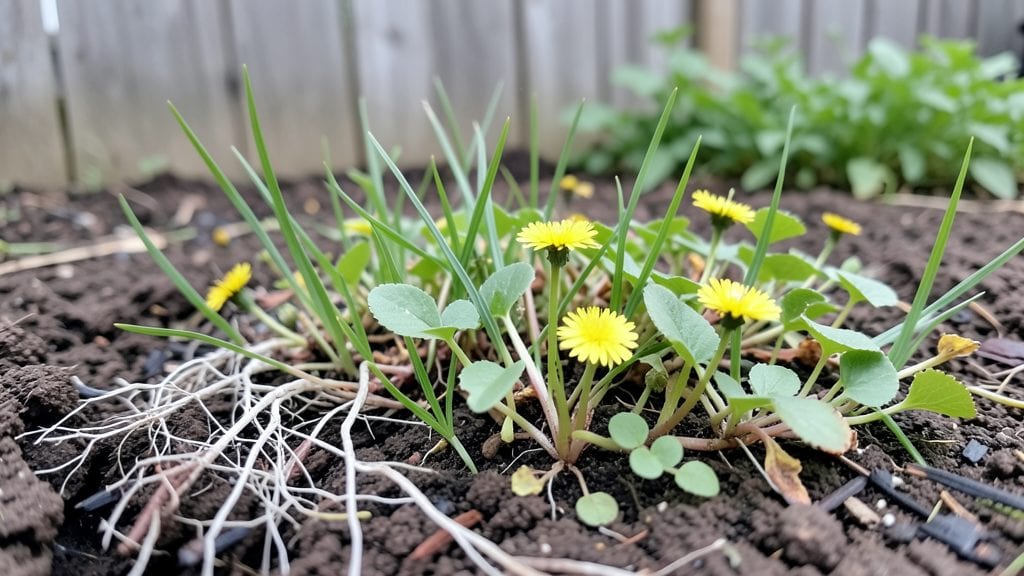
Before your garden weed seedlings take over, the key to stopping them isn’t pulling what’s already sprouted—it’s blocking them before they even start. I’ve wasted countless weekends yanking tiny weeds only to watch new ones pop up the next week.
That’s when I discovered pre-emergent barriers, a game-changer for keeping beds clean without constant weeding.
Most gardeners miss the window when weeds are just seeds waiting to sprout. A pre-emergent barrier works like a shield, stopping weed seeds from germinating while letting your plants grow unimpeded.
You’ll need to apply it at the right time—right before weeds typically sprout in your climate—and reapply after heavy rain. The results? 80-90% fewer weeds with minimal effort, and your plants get the space they need to thrive.
This method isn’t about chemicals or harsh treatments—it’s about timing and prevention. You’ll see the difference within weeks: no more battling chickweed or crabgrass, and your garden beds stay looking neat without the backbreaking work.
Plus, it works for flowers, veggies, and lawns alike. Let’s get those weeds stopped before they start.
Whether you’re dealing with stubborn annual weeds or creeping perennials, the same principles apply. The secret is consistency—apply early, monitor for rain washouts, and you’ll enjoy a garden that stays ahead of the weed game all season. No more losing the battle; it’s time to win the war.
The Hidden Triggers Behind Weed Seedlings
Weed seedlings don’t just appear out of nowhere—they’re the result of sneaky biological and environmental factors working in their favor. Understanding these triggers is the first step to keeping them at bay before they even get started.
Here’s why those pesky seedlings keep popping up in your garden, even when you think you’ve got everything under control.
Most weed seeds don’t sprout immediately after falling to the ground. Instead, they enter a dormant state, waiting for the ideal conditions to germinate. This survival tactic ensures their offspring only grow when they have the best chance of thriving.
Key factors that wake them up:
- Moisture: A good soak after dormancy breaks triggers germination. Even light rain or irrigation can activate seeds buried just ¼ inch deep.
- Temperature: Many weeds (like crabgrass and chickweed) need soil temps between 55–85°F (13–29°C) to sprout. Cool-season weeds (e.g., henbit) germinate in 40–60°F (4–15°C) ranges.
- Light Exposure: Some seeds (like those from pigweed) need sunlight to germinate, while others (e.g., nutsedge) can sprout in complete darkness.
Pro Tip:💡 If your garden floods or gets heavy rain after a dry spell, expect a weed seedling surge—dormant seeds sense the moisture and spring into action.
Weeds love freshly turned or compacted soil because it exposes buried seeds to the perfect germination conditions. Every time you till, rake, or even walk on garden beds, you’re potentially giving weed seeds the signal to sprout.
How soil disruption helps weeds:
- Exposes Seeds: Buried weed seeds (some can stay viable for years) get moved to the surface where they can access sunlight and moisture.
- Breaks Seed Coatings: Tilling can physically damage hard seed coatings, speeding up germination.
- Disrupts Beneficial Microbes: Healthy soil fungi and bacteria suppress weeds naturally. Disturbing the soil weakens this defense.
Pro Tip:🔥 Avoid tilling in late summer or fall—this is when many weed seeds are already in the soil, waiting for spring. Instead, use mulch or pre-emergent herbicides to smother them.
Weeds are masters of timing, using seasonal changes to their advantage. Their germination cycles align with natural cues, making them harder to predict than annual plants.
Seasonal triggers to watch for:
Season
Common Weed Seedlings
Why They Sprout
Spring
Chickweed, Dandelion, Clover
Warming soil and increasing rainfall break dormancy after winter.
Summer
Crabgrass, Spurge, Smartweed
High heat and dry spells trick seeds into germinating quickly for a fast life cycle.
Fall
Henbit, Wild Violet, Annual Bluegrass
Cool temps and moisture give seeds a second chance to establish before winter.
Pro Tip:✨ Fall is the best time to apply pre-emergent herbicides—many weeds germinate in early spring from seeds that dropped the previous fall. Beat them before they start!
Even well-meaning gardening practices can inadvertently give weeds an edge. From watering habits to tool sanitation, small mistakes can lead to a weed seedling explosion.
Common gardener mistakes that aid weeds:
- Overwatering: Frequent, shallow watering keeps soil moist at the surface, encouraging weed seeds to germinate continuously.
- Poor Mulching: Using thick mulch (like wood chips) can smother weeds, but too little leaves gaps for seeds to take root.
- Reusing Contaminated Tools: Rakes, shovels, and even gloves can carry weed seeds from one part of the garden to another.
- Ignoring Lawn Edges: Weeds often invade from unmowed grass or overgrown borders, where seeds accumulate.
Pro Tip:🌡️ Water deeply but infrequently (1–1.5 inches per week) to encourage deep root growth in plants while drying out the soil surface—this discourages weed seeds from germinating.
Stop Weed Seedlings Before They Start
Tired of battling weeds after they’ve already taken root? The best defense is a preventive strike—stopping weed seedlings before they sprout saves time, effort, and your sanity. Below, we break down the most effective solutions based on the root causes of unwanted seedlings, from soil prep to ongoing maintenance.
Each method is practical, budget-friendly, and designed to work in most garden types.
If your soil is compacted, nutrient-poor, or lacks organic matter, weeds thrive where plants struggle. Here’s how to flip the script:
🔥 Loosen and Aerate the Soil
- Why it works: Compacted soil blocks water and air, making it harder for your plants to grow—but weeds love these gaps.
- How to do it:
- Use a garden fork or broadfork to deep-till (8–12 inches) in early spring or fall. Avoid tilling when soil is wet to prevent clumping.
- For lawns, core aerate to relieve compaction without disturbing weed seeds too deeply.
- Prevention tip: 💡 Top-dress with 1–2 inches of compost or aged manure after tilling to improve drainage and fertility.
🍳 Boost Soil Health with Mulch
- Why it works: A thick layer of mulch (2–4 inches) blocks sunlight, which weed seeds need to germinate.
- Best mulches for weed control:
- Wood chips or straw (break down slowly, suppress weeds for months).
- Cardboard or newspaper (lay flat under mulch for a temporary barrier; great for vegetable gardens).
- Living mulch (clover or creeping thyme between plants to outcompete weeds naturally).
- Pro tip: ✨ Pull mulch back slightly around plant stems to avoid smothering your desired crops.
Weed seeds need sunlight and moisture to sprout. Starve them out with these simple barriers:
👨🍳 Install a Pre-Emergent Barrier
- Why it works: Pre-emergent herbicides (like corn gluten meal or synthetic options) create a chemical barrier that prevents weed seeds from sprouting without harming established plants.
- How to apply:
- Sprinkle corn gluten meal (20 lbs per 100 sq ft) in early spring before weeds appear. Water lightly to activate.
- For synthetic pre-emergents (e.g., pendimethalin), follow label instructions—apply before seeding or transplanting.
- Prevention tip: 🌡️ Reapply pre-emergents annually or after heavy rain washes them away.
🥘 Use Landscape Fabric or Ground Covers
- Why it works: Fabric blocks light while allowing water and air to reach your plants.
- How to set it up:
- Lay perforated landscape fabric over weed-prone areas, then add mulch or soil on top.
- For pathways or borders, use gravel or pavers to eliminate weed growth entirely.
- Caution: ⚠️ Avoid sealing fabric completely—leave edges open to prevent moisture buildup under plants.
Even a few weeds left unchecked can drop thousands of seeds. Act fast to stop the cycle:
⏰ Hand-Pull or Smother Weeds Early
- Why it works: Young weeds are easier to remove before their roots deepen or they go to seed.
- Best methods:
- Hand-pulling: Grasp weeds at the base and wiggle to loosen roots. Do this after rain when soil is soft.
- Smothering: Cover weeds with black plastic or thick cardboard for 4–6 weeks to kill them (great for driveways or large patches).
- Prevention tip: 🎯 Check soil for weeds before planting—dig up any seedlings hidden beneath the surface.
🌿 Maintain a Dense Plant Population
- Why it works: Crowded plants leave less space and resources for weeds to grow.
- How to do it:
- Plant close together (follow seed packet spacing guidelines).
- Use fast-growing cover crops (like buckwheat or winter rye) in empty garden beds to outcompete weeds.
- For lawns: Overseed thin areas to fill gaps where weeds sneak in.
Keep your garden weed-free with these ongoing habits:
- 💡 Test your soil annually and amend with compost or fertilizer as needed.
- 🌡️ Water deeply but less frequently—weeds thrive in shallow, frequent moisture.
- ✨ Rotate crops to disrupt weed seed cycles (e.g., avoid planting the same veggies in the same spot yearly).
- 🎯 Clean tools and shoes after working in other gardens to avoid spreading weed seeds.
- 🔥 Harvest weeds before they seed—even "harmless" dandelions or clover can spread aggressively.
With these strategies, you’ll spend less time yanking weeds and more time enjoying a lush, low-maintenance garden. Start with one or two methods that fit your garden’s needs, and watch those seedlings stay put—where they belong.
Frequently asked questions
How can I tell if tiny green sprouts are weeds or my actual plants?
Compare the sprouts to your planted seeds or nearby mature plants. Weed seedlings often have longer, thinner stems with jagged or serrated leaves (like chickweed), while your plants will match the seed packet description. Pull any suspicious sprouts when they're 1-2 inches tall—it's easier than waiting for them to mature.
Will pre-emergent barriers kill my existing plants or flowers?
No, pre-emergent herbicides only stop seeds from germinating—they won't harm established plants. Just apply it after planting your crops, keeping a 2-inch buffer around plant stems. For flowers, apply pre-emergent in bare soil areas only, avoiding mulched beds where plants may grow.
How long does it take for pre-emergent to work, and when should I reapply?
Pre-emergent works immediately after application—it creates a barrier that stops seeds from sprouting. However, heavy rain (1 inch or more) can wash it away, so reapply 2-4 weeks later if needed. For best results, apply in early spring (before weed seeds germinate) and again in fall for next year's prevention.
Are there organic alternatives to chemical pre-emergents?
Yes! Corn gluten meal (20 lbs per 100 sq ft) is a natural, organic pre-emergent that stops weed seeds from sprouting while adding nitrogen to soil. Another option is vinegar-based sprays (3% acetic acid) for spot treatment, though they're less effective as a full barrier. Mulch (3-4 inches thick) also blocks sunlight and prevents germination.
Why do weeds keep coming back even after I pull them?
Weeds produce thousands of seeds—even one missed plant can regenerate the whole problem. The real issue is buried seeds in your soil that germinate when conditions are right (moisture, warmth, or disturbance). Use a pre-emergent barrier or thick mulch to break this cycle and prevent new seedlings from sprouting.