Pests
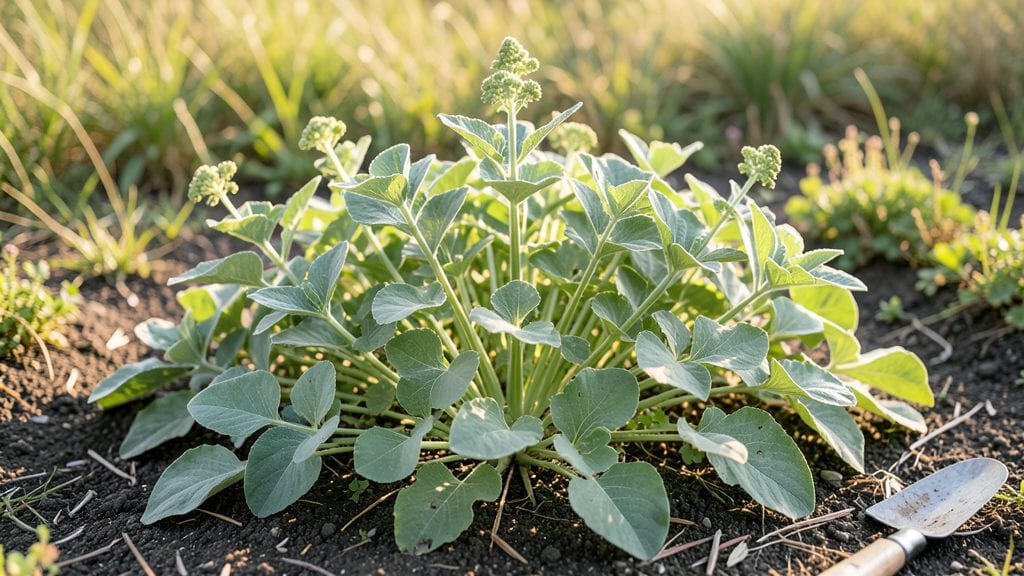
Identifying garden weed leaves can save your plants—and your sanity—before they take over. I’ve spent years wrestling with dandelions and bindweed, and the key to winning is knowing what you’re up against before it spreads.
Those jagged, serrated leaves? Probably lamb’s quarters. Smooth, arrow-shaped ones? Likely poison ivy. The trick is acting fast: pull them when the soil’s damp, and you’ll yank the whole root out in one go.
Most weeds thrive because they outcompete your plants for water and nutrients, not because they’re invincible. A 10-minute weekly walk through your garden with gloves and a small trowel can prevent 90% of problems before they start.
I’ve found that even stubborn weeds like creeping Charlie weaken when you consistently remove the leaves—no harsh chemicals needed. The right tool makes all the difference: a hoe for broadleaf weeds, a fork for deep-rooted invaders.
What you’ll end up with is a garden where your flowers and veggies get the sunlight, water, and space they need. No more wilting tomatoes or choked-out perennials. The satisfaction of spotting a clean row of basil or a thriving zucchini plant—without a single weed in sight—is worth the effort.
And once you master the leaf shapes, you’ll spot them from across the yard.
This works for any garden size, from a tiny balcony pot to a half-acre yard. The only real limits are how much you’re willing to pull—and how quickly you act. Let’s get those weeds under control for good.
The Hidden Triggers Behind Weed Growth
Weeds don’t just pop up out of nowhere—they thrive because of specific conditions in your garden. Understanding these triggers is the first step to controlling them naturally. Below, we break down the science behind why unwanted plants take over, so you can outsmart them before they spread.
Weeds often flourish when your garden soil is overloaded with nutrients like nitrogen, phosphorus, and potassium—resources that weeds compete for aggressively.
Many gardeners unknowingly create this imbalance by: - Over-fertilizing with synthetic or organic fertilizers, which weeds like dandelions and crabgrass absorb faster than desired plants. - Using compost or mulch too heavily in certain areas, creating "hot spots" where weeds germinate rapidly. - Planting nutrient-hungry crops (e.g., corn, tomatoes) that deplete soil, leaving weeds to fill the gap.
Why it matters: Weeds like bindweed and purslane are opportunistic—they detect even slight nutrient spikes and send out roots or seeds to capitalize. A soil test can reveal if your garden is a weed magnet due to excess nutrients.
Watering habits directly influence weed dominance. Here’s how: - Overwatering creates soggy soil, perfect for moisture-loving weeds like nettles and mallow. These plants thrive in damp conditions, while many vegetables struggle. - Inconsistent watering (e.g., sprinklers that mist sidewalks or driveways) spreads seeds far beyond their intended area.
Weeds like chickweed rely on scattered water to germinate. - Lack of deep watering encourages shallow-rooted weeds to dominate, as they outcompete deeper-rooted plants for surface moisture.
Pro tip: 💡 Use drip irrigation or soaker hoses to target plant roots directly, reducing runoff that fuels weed growth. Water early in the morning to minimize evaporation and fungal weed spread.
Weeds love bare soil and loose top layers because their seeds need light and air to sprout.
Common culprits include: - Tilling too aggressively, which buries weed seeds deeper but brings fresh ones to the surface when the soil settles. - Foot traffic or heavy machinery compacting soil, creating cracks where weeds like thistle and plantain push through. - Removing mulch or ground cover exposes dormant weed seeds to sunlight, triggering germination.
Science alert: Many weeds (e.g., creeping charlie) have seeds that stay viable for years in the soil bank. Disturbing the top 2 inches of soil can unleash a wave of new growth.
Weeds are masters of opportunistic growth—they exploit every inch of sunlight or shade your garden offers:
- Full-sun weeds (e.g., pigweed, lambsquarters) dominate open areas, especially after crops are harvested.
- Shade-tolerant weeds (e.g., clover, henbit) thrive under trees or dense plantings, where light is limited.
- Partial shade creates the perfect microclimate for bindweed and ground ivy, which outcompete slower-growing perennials.
Actionable fix: 🌿 Plant dense ground covers (e.g., creeping thyme, ajuga) or living mulches to block light before weeds do. Even a thin layer of straw can suppress 80% of weed seeds.
When pests or pathogens attack your garden, they often leave behind bare patches that weeds rush to fill.
Examples: - Grubs or cutworms kill grass or young plants, creating gaps where crabgrass or foxtails move in. - Fungal diseases (e.g., powdery mildew on squash) weaken plants, allowing purslane or shepherd’s purse to take over. - Deer or rabbit browsing opens up areas for dandelions or stinging nettles to establish roots.
Key insight: Weeds like bindweed release allelopathic chemicals that suppress other plants—once they gain a foothold, they create a self-perpetuating cycle.
Some weeds are seasonal invaders, triggered by:
- Spring rains awakening dormant chickweed and speedwell seeds.
- Summer heat stressing lawns, allowing nutsedges to dominate.
- Fall leaf litter providing mulch for winter annuals like henbit to sprout.
Regional note: In humid climates, weeds like smartweed thrive year-round, while arid regions see surges of Russian thistle after rare downpours.
Even "natural" garden inputs can alter soil chemistry in ways that favor weeds:
- Salt buildup from hard water or over-fertilizing creates sodic soil, which weeds like knotweed tolerate better than vegetables.
- pH imbalances (too acidic or alkaline) can stunt desired plants while acid-loving weeds (e.g., oxalis) flourish.
- Herbicide drift or leftover chemicals can kill off broadleaf plants, leaving grassy weeds (e.g., quackgrass) to dominate.
Test first: A simple soil pH test (aim for 6.0–7.0 for most gardens) can reveal if your soil is accidentally breeding weeds.
Natural Ways to Eliminate Weed Leaves
Weed leaves may seem like a minor annoyance, but if left unchecked, they can quickly take over your garden, stealing nutrients and water from your prized plants. The good news? You don’t need harsh chemicals to tackle them—just a few effective, eco-friendly methods tailored to the root cause.
Below, we’ll map common issues to practical fixes, plus prevention tips to keep your garden thriving.
Cause: Weeds like dandelions, crabgrass, or clover spread via wind-blown seeds, germinating in disturbed soil. Fix:
- 🔥 Pull Early, Pull Often – Remove weeds when they’re young (before seeds form). Use a weed puller or gloved hands for stubborn roots.
- 🍳 Boiling Water Treatment – Pour boiling water directly onto weed leaves and roots (best for sidewalks or hard surfaces).
- 👨🍳 Mulch Like a Pro – Apply 3–4 inches of organic mulch (straw, wood chips, or grass clippings) to block sunlight and prevent seed germination.
💡 Pro Tip: Water your garden deeply but infrequently—this encourages strong plant roots that outcompete weeds for moisture.
Cause: Dry, hot conditions weaken desirable plants, giving weeds an advantage. Fix:
- ✨ Solarize Soil – Cover weed-infested areas with clear plastic sheeting for 4–6 weeks in peak sun. The trapped heat kills seeds and roots.
- 🎯 Hand-Weed at Peak Heat – Weeds wilt in the afternoon sun, making them easier to pull. Work in short bursts to avoid overheating.
- 💧 Drip Irrigation for Targeted Water – Direct water to your plants (not the soil) to discourage weed growth between rows.
⚠️ Warning: Avoid solarization in rainy climates—it won’t work as effectively without consistent heat.
Cause: Tough weeds like bindweed or nutgrass have deep or creeping roots that regrow if cut. Fix:
- 🥘 Vinegar Spray (For Non-Organic Gardens) – Mix 1 gallon white vinegar + 1 cup salt + 1 tbsp dish soap. Spray directly on leaves (avoid desirable plants—it’s non-selective!).
- 🔪 Dig with a Hori-Hori Knife – For deep roots, use a Japanese digging knife to slice roots 6+ inches below soil to prevent regrowth.
- 🌿 Sheet Mulching (Lasagna Gardening) – Layer cardboard + compost + mulch over weed patches. Over time, weeds decompose while your soil improves.
💡 Pro Tip: Corn gluten meal (applied in early spring) prevents weed seeds from sprouting—sprinkle 20 lbs per 1,000 sq ft before weeds emerge.
Cause: Weeds like lamb’s quarters or pigweed harbor pests (aphids, spider mites) that jump to your vegetables. Fix:
- 🍎 Trap Cropping – Plant nasturtiums or marigolds near vulnerable crops to lure pests away from your veggies.
- 💪 Hand-Pick Infested Weeds – Drop them in soapy water (not compost!) to kill eggs and larvae.
- 🌿 Companion Planting – Pair basil with tomatoes or garlic with carrots to repel pests naturally.
✨ Bonus: Neem oil spray (1 tsp neem oil + 1 quart water + drop of soap) deters pests and weakens weeds over time.
- 🌿 Plant Dense Ground Covers – Clover, creeping thyme, or living mulches outcompete weeds for space.
- 🔄 Rotate Plant Families – Weeds target specific plants (e.g., purslane loves tomatoes). Rotate crops yearly to disrupt cycles.
- 🌱 Start with Weed-Free Soil – Before planting, solarize bare soil or use landscape fabric (temporarily) to kill existing weeds.
Final Thought: The key to beating garden weed leaves is consistency. Combine manual removal with preventive strategies, and you’ll spend less time pulling and more time enjoying your garden! 🌿💚
Frequently asked questions
How can I tell if a leaf is from a weed or my actual plant?
Look for key differences: weed leaves often have irregular shapes (lobed, jagged, or deeply serrated edges) while your plants usually have smoother, more uniform leaf patterns. For example, dandelions have deeply toothed leaves, while poison ivy has three glossy leaflets. Compare side-by-side with a plant ID app or gardening guidebook for tricky cases.
Are all weed leaves harmful to my garden?
Not all! Some weeds like clover fix nitrogen in the soil, actually benefiting your plants. The real issue is competitive weeds (e.g., bindweed or pigweed) that steal nutrients and water. Focus on removing aggressive spreaders while leaving beneficial ones unless they’re crowding your crops.
What’s the best time of day to pull weeds?
Early morning or late afternoon when soil is damp (but not soggy) makes pulling easier. The roots slide out cleaner, and you’ll avoid the midday heat. Water the area lightly the night before if your soil is dry—this gives you a 2-hour window to work before evaporation.
Can I use kitchen scraps to kill weeds?
Yes! Salt from cooked pasta water or vinegar (1:1 with water) works as a natural herbicide. Just spray directly on weed leaves (avoid desirable plants) and repeat weekly. For stubborn weeds, try a boiling water treatment—pour it straight onto the base to kill roots instantly.
Why do weeds keep coming back even after I remove them?
Most weeds have extensive root systems or buried seeds that stay dormant for years. To break the cycle, use a deep hoe to cut roots 6+ inches below soil or apply corn gluten meal in early spring to prevent new seeds from sprouting. Consistency is key—weeds give up after 3-4 seasons of diligent removal!