
Pests
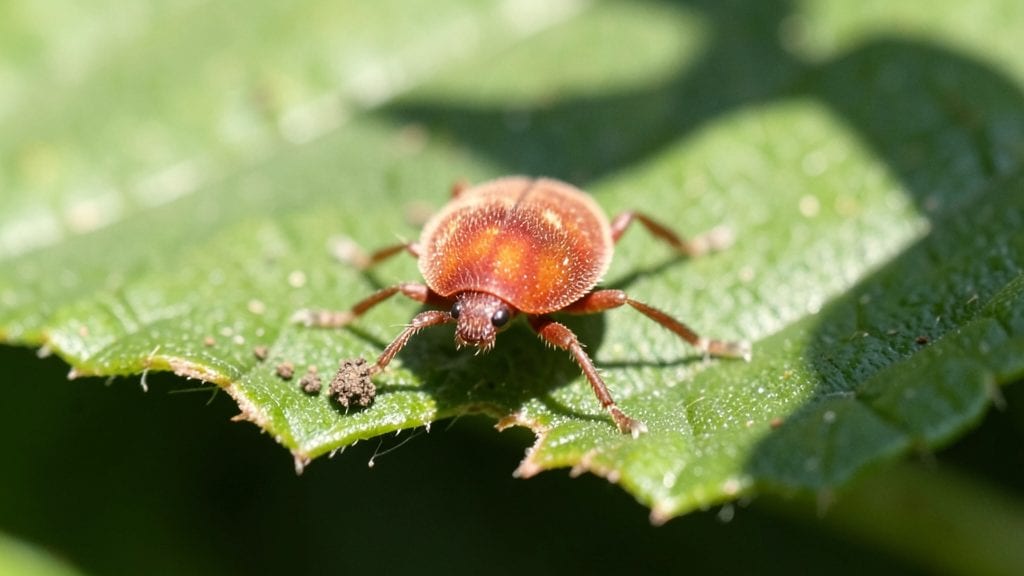
The garden red velvet mite might seem innocent, but it’ll devour your plants in weeks—here’s how to stop it before your leaves vanish. 🌿 a full-blown crisis. Their silky red bodies cling to undersides of leaves, and their damage—tiny white specks and webbing—often goes unnoticed until it’s too late.
The problem starts when they multiply in hot, dry conditions, especially on plants like roses, fruit trees, and berries. Unlike spiders, they don’t spin webs to catch prey—they suck plant sap directly, leaving behind stunted growth and yellowed leaves.
The good news? They’re not as tough as they seem, and natural predators like ladybugs and lacewings can keep them in check if given the right conditions.
You’ll learn to identify their telltale signs early, use simple organic sprays like neem oil, and create an environment where beneficial insects outcompete them. By the end, your plants will rebound with vibrant green leaves, and you’ll know exactly how to keep these pests from returning.
Let’s get started with the first line of defense.
Whether you’re dealing with a small cluster or a full-blown outbreak, these methods work in home gardens, container plants, and even houseplants. The key is acting fast—once they spread, they’re nearly impossible to eradicate without heavy chemicals. Here’s how to stop them before they take over.
Root Causes Behind Their Invasion
Those tiny, vibrant red velvet mites aren’t just random visitors—they’re drawn to your garden by a mix of environmental factors, plant preferences, and even human habits. Understanding why they show up helps you tackle the problem at its source.
Let’s break down the key reasons these pests decide your garden is their new home.
Red velvet mites thrive where plants are already struggling. When your garden becomes a buffet of weak, nutrient-starved, or overcrowded vegetation, these mites see an opportunity. Here’s why:
- Nutrient Deficiency: Plants low in nitrogen or phosphorus produce softer, more tender leaves—perfect for mite feeding. Think of it like a salad bar with all-you-can-eat weak greens.
- Water Stress: Overwatering or drought can stress plants, making them release volatile organic compounds (VOCs) that attract mites. Pro tip: 🌡️ Monitor soil moisture with a moisture meter to avoid extremes.
- Competition for Space: Dense foliage traps humidity, creating a cozy microclimate for mites. Prune regularly to improve airflow and reduce hiding spots.
Red velvet mites love warmth and humidity—almost like they’re sunbathing on your plants. If your garden checks these boxes, you’ve got a mite magnet:
- Temperature Sweet Spot: These mites flourish in 70–85°F (21–29°C) ranges. Greenhouses, conservatories, or southern exposures are prime real estate for them.
- Humidity Hotspots: Mites adore moisture levels above 60%. Mulched beds, shaded areas, or containers with poor drainage become their spa.
- Seasonal Surges: They peak in late spring to early fall, aligning with peak plant growth. Pro tip: ✨ Use row covers in early spring to block their arrival before they multiply.
Not all plants are equal in the eyes of red velvet mites. They have a menu—and your garden might be serving their favorites:
| Target Plants | Why They’re Vulnerable |
|---|---|
| Tomatoes, Peppers, Eggplants | Succulent leaves and high sap content make them a mite delicacy. |
| Roses, Hydrangeas, Azaleas | Soft, hairy foliage traps mites and blocks natural predators. |
| Herbs (Basil, Cilantro, Dill) | Fast-growing and often stressed by heat, making them easy prey. |
Additionally, plants with thin cuticles (like young seedlings) or those lacking natural pest resistance are high-risk. Pro tip: 💡 Rotate crops annually to disrupt mite life cycles and avoid overplanting favorites.
Sometimes, the problem starts with us. Unintentional gardening practices can turn your yard into a mite paradise:
- Overuse of Broad-Spectrum Pesticides: Chemicals that kill beneficial insects (like ladybugs or lacewings) remove natural mite predators, leaving your plants defenseless.
- Ignoring Debris: Leaves, old mulch, or plant clippings pile up, creating hiding spots and moisture traps. Pro tip: 🔥 Clear debris monthly, especially after rain.
- Bringing Them In: Potted plants, nursery stock, or even firewood can hitchhike mites into your garden. Quarantine new plants for 2 weeks before introducing them.
By addressing these root causes—stress relief for plants, climate control, smart plant choices, and mindful gardening—you’ll make your garden far less appealing to red velvet mites. The key? Act before they act.
Quick Fixes for Tiny Red Invaders
Got those silky red mites wreaking havoc in your garden? Don’t panic—these tiny troublemakers respond well to targeted action. Below, we’ll break down the most common causes of red velvet mite infestations and match them with practical, step-by-step solutions.
Whether your plants are wilting, covered in webbing, or just looking sad, these fixes will help you reclaim your garden without harsh chemicals.
Before diving into treatments, confirm what you’re dealing with.
Red velvet mites (often mistaken for spiders) thrive in: - Dry, dusty conditions (they love hiding in leaf crevices and under bark). - Overcrowded plants (tight foliage traps them like a cozy hotel). - Weak or stressed plants (they feast on sap when plants are vulnerable).
Quick check: Shake a branch over a white sheet—if you see tiny red dots scurrying, you’ve got your culprits.
👨🍳 Manual Removal for Small Infestations
If your garden is just starting to show signs, a hands-on approach works wonders. - Prune affected leaves 🌿: Snip off heavily infested foliage (especially the undersides of leaves) and drop them into a bucket of soapy water.
This removes mites and prevents spread. - Blast them away 💦: Use a strong stream of water from your hose to dislodge mites from leaves.
Repeat every 2–3 days for a week to break their life cycle. - Vacuum them up 🪟: For potted plants, use a handheld vacuum to suck mites off leaves. Empty the vacuum into a sealed bag and dispose of it immediately.
Pro tip: 💡 Do this in the early morning when mites are sluggish from cooler temps.
🥘 Natural Sprays to Repel and Kill
Chemical-free solutions are gentler on your plants and the environment. Try these DIY sprays:
| Solution | How to Use | Frequency |
|---|---|---|
| Neem oil spray | Mix 1 tbsp neem oil + 1 tsp mild soap + 1 quart water. Spray undersides of leaves. | Every 5–7 days for 3 weeks. |
| Insecticidal soap | Follow label instructions (usually 1–2 tbsp per gallon of water). Spray until dripping. | Repeat every 3–4 days. |
| Garlic spray | Blend 2 garlic cloves + 1 quart water, strain, and add 1 tsp soap. Spray directly. | Weekly until mites vanish. |
| Peppermint oil spray | Mix 10 drops peppermint oil + 1 tsp soap + 1 quart water. Mites hate this scent! | Every 4–5 days. |
⚠️ Warning: Always test sprays on a small leaf first to avoid burning tender plants.
🔪 Long-Term Prevention Strategies
Once your garden is mite-free, keep it that way with these habits:
- Encourage beneficial predators 🐞: Ladybugs, lacewings, and predatory mites (like Phytoseiulus persimilis) feast on red velvet mites. Buy them online or attract them with diverse plantings. - Maintain humidity 🌡️: Mites thrive in dry air.
Use a humidifier for indoor plants or mist foliage regularly outdoors. - Clean up debris ✨: Remove fallen leaves, weeds, and mulch where mites hide.
Keep your garden tidy! - Rotate your plants 🎯: Avoid overcrowding by spacing plants properly and pruning regularly to improve airflow. - Quarantine new plants 🏷️: Before adding new plants to your garden, inspect them thoroughly for hitchhiking pests.
Final thought: Consistency is key! Red velvet mites reproduce quickly, so stick with your treatment plan for at least 3–4 weeks to ensure they don’t bounce back. With these methods, your garden will be back to thriving in no time. 🌱
Frequently asked questions
Are red velvet mites actually dangerous to humans?
No, these tiny garden pests pose no direct threat to humans. They don't bite, carry diseases, or cause allergic reactions. Their only impact is on your plants, where they suck sap and leave behind damaged foliage. You can safely handle infested plants with gloves if needed—just avoid crushing them, as their bright red bodies can stain surfaces temporarily.
How do I tell red velvet mites apart from spider mites?
Red velvet mites are larger (about 1/8 inch) and have a velvety red body, while spider mites are microscopic and yellow or red. Look for their movement: velvet mites scurry quickly when disturbed, while spider mites leave behind fine webbing. Also check for leaf damage—velvet mites create tiny white specks, while spider mites cause stippling.
Will my plants recover if I get rid of the mites?
Yes, but recovery depends on how severe the damage is. New growth will emerge once mites are eliminated, but heavily damaged leaves won't regenerate. Prune affected foliage and focus on keeping plants healthy with proper watering and fertilization. Most plants bounce back within 2-4 weeks of consistent treatment.
Can I use the same treatments for indoor houseplants?
Most organic treatments work for houseplants, but use them more carefully. Dilute sprays to half-strength and test on a small leaf first. Avoid neem oil on sensitive plants like orchids, and opt for insecticidal soap instead. For severe infestations, isolate affected plants and treat them separately to prevent spread.
Why do I keep seeing them even after treatment?
Red velvet mites have a short life cycle (about 2 weeks from egg to adult), so repeated treatments are crucial. Check for hidden eggs in leaf crevices and repeat sprays every 5-7 days for at least 3 weeks. Also verify you're not accidentally introducing new mites through new plants or soil.