
Trees
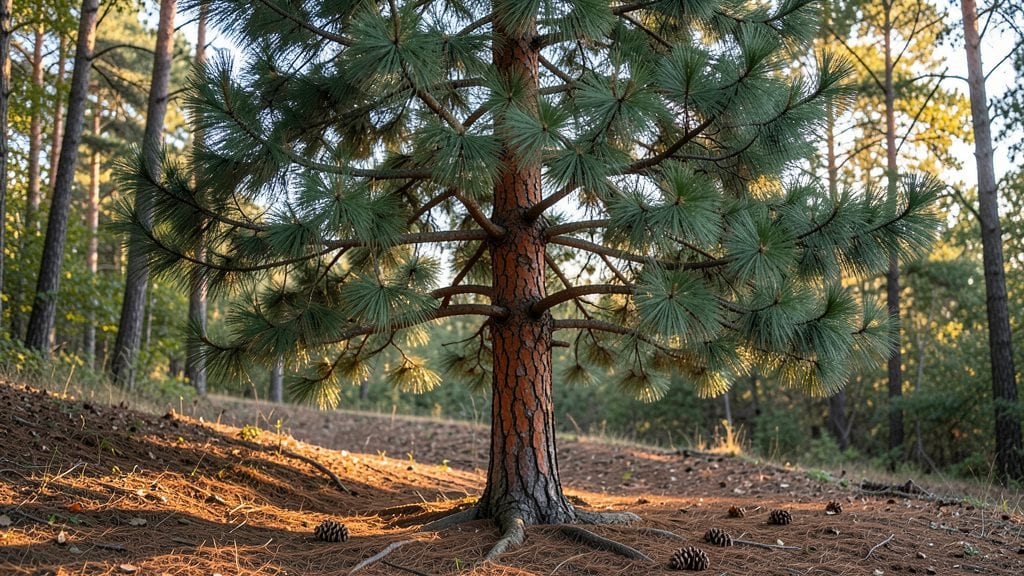
Garden pine trees can transform your yard into a fragrant, evergreen privacy screen in just 5-7 years. I planted my first pine for shade and windbreak, and now it towers over my patio, its needles smelling like Christmas all year round.
The key isn’t just picking any pine—it’s choosing the right species for your climate and space, then giving it the soil and sunlight it craves.
Start with fast growers like Ponderosa or Loblolly pines—they shoot up 2-3 feet per year when happy. Well-draining soil and full sun are non-negotiable, but don’t stress over fancy amendments. A simple mix of native soil and compost works wonders, and these trees handle drought once established.
The real secret? Planting at the right time—spring or fall—gives roots time to settle before summer heat or winter freeze.
You’ll love the results: a towering evergreen that blocks noise, filters wind, and adds that "forest retreat" vibe to your yard. Needle drop stays minimal, and with proper spacing, you avoid that crowded, cluttered look.
Just watch for spider mites (they love dry needles) and keep mulch a few inches away from the trunk to prevent rot.
Works for urban backyards, rural borders, or even large containers if you’re short on space. Let’s get those pines growing!
📚 In This Guide
- What you need
- Instructions
- Tips and common mistakes
- Wrapping up and next steps
What you need
- ● Pine tree seedlings or saplings: 3–10+ (depending on desired screen width; e.g., 3–5 ft tall for faster growth)
- ● Shovel or digging spade: 1 (wide enough for root balls, 12–18" deep)
- ● Garden gloves: 1 pair (nitrile-coated for durability)
- ● Mulch (pine bark or wood chips): 2–3 cubic feet (for moisture retention)
- ● Slow-release fertilizer (10-10-10 or pine-specific): 1 bag (20–30 lbs)
- ● Watering can or hose with nozzle: 1 (for gentle hydration)
- ○ Stakes & twine (optional but helpful): 4–6 stakes (if planting in windy areas)
- ● Soil amendment: Peat moss or compost (1–2 bags) for nutrient-poor soil
- ● Tree guards: 3–10 (to protect young trunks from critters)
- ● Drip irrigation system: 1 (for automated watering)
- ● Pruning shears: 1 (for shaping as they grow)
- ● Soil pH test kit: 1 (to check acidity; pines prefer 4.5–6.0)
Instructions for planting fast-growing pine trees as privacy screens
Here’s how to get your evergreen privacy screen established quickly and thriving.
Choose the Right Location and Prepare the Soil
Pines need full sun—at least 6 hours daily—so pick a spot with minimal shade from buildings or taller trees. Fast-growing varieties like Austrian or Lodgepole tolerate a range of soil types but grow best in well-draining, slightly acidic soil (pH 5.0-6.5). If your soil is heavy clay, mix in 2-3 inches of compost from your materials list to improve drainage.
Dig planting holes twice as wide as the root ball but no deeper. Space trees 8-10 feet apart for a dense screen—closer spacing speeds up privacy but may require pruning later. Loosen the roots of container-grown trees before planting to encourage outward growth.
Plant Trees at the Correct Depth and Water Thoroughly
Place each pine so the root flare (where roots meet the trunk) sits 1-2 inches above soil level. Backfill with native soil, tamping gently to remove air pockets. Avoid burying the trunk too deep—this causes girdling, which strangles the tree over time.
Water immediately after planting to settle the soil and remove air gaps. Give each tree 5 gallons of water—enough to soak the root ball completely. You’ll know it’s right when water drains from the bottom of the hole. Mulch with 3 inches of organic mulch (like pine straw) to retain moisture and suppress weeds, but keep mulch 6 inches away from the trunk to prevent rot.
Provide Support and Monitor Growth in the First Year
Young pines benefit from staking only if needed—check after a strong wind or storm. Use 2-3 stakes per tree, tied loosely with soft fabric strips to avoid damaging the trunk. Fast-growing pines often outgrow stakes within 6-12 months, so remove them once the tree stands firm on its own.
Water once weekly during the first growing season, aiming for deep, slow soaks rather than light sprinkles. You’ll see new growth in spring—healthy pines produce bright green needles and steady height increases (up to 2-3 feet per year in ideal conditions). Fertilize lightly in early spring with a balanced, slow-release fertilizer (like 10-10-10) to support rapid growth without burning roots.
Prune for Shape and Health as Needed
Pines rarely need pruning, but remove dead, broken, or crossing branches in late winter or early spring. Use clean, sharp pruners to make cuts just outside the branch collar (the swollen area where the branch meets the trunk). Avoid heavy pruning—pines grow best when left natural, and excessive cutting weakens the tree.
Watch for browning needles or sap oozing—these are signs of stress or disease. Fast-growing pines are more susceptible to spider mites in dry conditions, so spray with water in hot afternoons to deter pests. With proper care, your screen will fill in quickly, offering year-round privacy within 3-5 years.
Tips & tricks for planting fast-growing pine trees
Fast-growing pine trees are your ticket to quick privacy, but a few key strategies will help you avoid common pitfalls and get the most out of your screen. Here’s what I’ve learned from planting my own.
Sunlight is non-negotiable: While the instructions mention at least 6 hours of daily sun, I’ve found that trees in spots with 8+ hours grow twice as fast in their first year. If your yard has partial shade, consider faster-growing varieties like Leyland cypress hybrids, which tolerate slightly less sun while still delivering quick results.
Soil prep makes all the difference: The instructions recommend mixing in 2-3 inches of compost for clay soil, but I take it a step further. For heavy clay, I blend in a 50/50 mix of compost and coarse sand to improve drainage dramatically. This prevents root rot and helps those fast-growing varieties reach their full potential within the 3-5 year privacy window.
Watering wisdom for rapid growth: Those first 5 gallons after planting are critical, but don’t stop there. For the first month, I water each tree with 10 gallons weekly (instead of just 5) to encourage deep root development. This extra hydration helps young trees establish stronger root systems, which translates to faster height growth in subsequent years.
Staking strategy for windy areas: The instructions mention using 2-3 stakes only if needed, but I’ve found that in windy locations, staking for the full 12 months is worth it. Use flexible tree ties instead of wire, and check them monthly to prevent trunk damage. This extra support helps trees focus their energy on vertical growth rather than stabilizing themselves.
Pro Tips for Garden Pine Trees
- Fast-growing pine trees are your ticket to quick privacy, but a few key strategies will help you avoid common pitfalls and get the most out of your screen.
- Sunlight is non-negotiable: While the instructions mention at least 6 hours of daily sun, I’ve found that trees in spots with 8+ hours grow twice as fast in their first year.
- Soil prep makes all the difference: The instructions recommend mixing in 2-3 inches of compost for clay soil, but I take it a step further.
Frequently asked questions
Got questions about growing garden pine trees?
You’re not alone! Here are answers to the most common queries—from planting tips to troubleshooting—so you can grow a lush, fast-growing privacy screen with confidence.
How fast do garden pine trees grow?
Most garden pine varieties grow moderately fast—typically 12 to 24 inches per year under ideal conditions. Fast-growing species like Pinus taeda (loblolly pine) or Pinus elliottii (slash pine) can reach 3 to 5 feet annually in their prime. For quicker privacy, opt for Pinus strobus (eastern white pine), which thrives in cooler climates and fills out rapidly.
When is the best time to plant pine trees for privacy?
Plant pine trees in early spring or fall for the best results. Spring (after the last frost) gives roots time to establish before summer heat, while fall (6–8 weeks before the first frost) allows them to settle before winter dormancy. Avoid planting in peak summer—drought stress can stunt growth.
Can I grow pine trees in containers or small gardens?
While pines can grow in containers, they need large pots (at least 20+ gallons) and regular pruning to control size. Dwarf varieties like Pinus mugo (mugo pine) or Pinus thunbergii (Japanese black pine) are ideal for small spaces. Ensure the container has drainage holes and use well-draining soil to prevent root rot. For tight gardens, consider hedge alternatives like arborvitae if pines outgrow the area too quickly.
What pests or diseases should I watch for in garden pine trees?
Pine trees are generally hardy, but watch for:
- Pine bark beetles (tiny holes in bark, sawdust-like frass). Solution: Remove infested branches and apply insecticidal soap.
- Fusarium root rot (yellowing needles, stunted growth). Solution: Improve drainage and avoid overwatering.
- Needle blight (brown, crunchy needles). Solution: Prune affected branches and apply fungicide in early spring.
How do I prune pine trees for a dense privacy screen?
Prune pines lightly in late winter or early spring to shape them. Focus on:
- Removing dead or crossing branches to improve airflow.
- Trimming overly long branches to encourage bushier growth.
- Avoid shearing (it damages needles)—use hand pruners for precision.
Do pine trees need full sun, or can they tolerate shade?
Most garden pines thrive in full sun (6+ hours daily) but can tolerate partial shade (3–6 hours of sun). Shady spots may slow growth and reduce needle density. If planting in partial shade, choose shade-tolerant varieties like Pinus sylvestris (Scots pine) or Pinus nigra (Austrian pine). Monitor for pale, sparse needles—a sign of insufficient light.
Wrapping up and next steps
Growing garden pine trees for fast-growing privacy screens is a rewarding project that adds beauty and value to your outdoor space. 🌲 Whether you're drawn to their evergreen elegance, low-maintenance charm, or privacy benefits, these trees offer a practical yet stunning solution.
With the right soil, sunlight, and care, you’ll enjoy lush greenery year-round—so roll up your sleeves, get planting, and watch your dream privacy screen take shape!
Next step: Pick your favorite pine variety, grab your tools, and start transforming your yard today! 🌱