
Tools
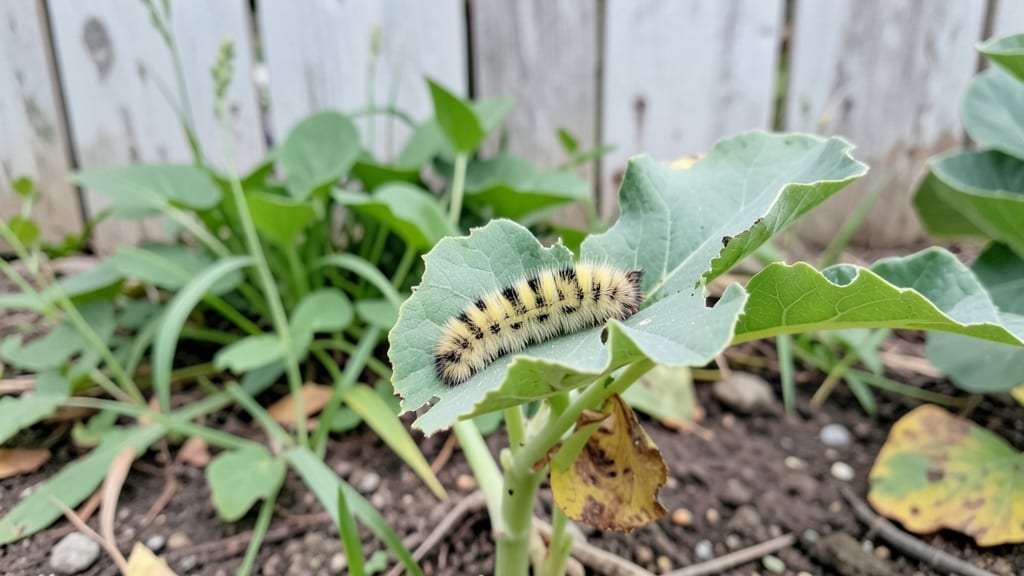
The moment you spot these garden pests images in your garden, you’ll know exactly how to protect your plants—before they strike. 🌱 I’ve spent years watching aphids, slugs, and Japanese beetles wreak havoc—until I started recognizing their telltale signs early.
This cheat sheet cuts the guesswork by pairing high-quality images with quick ID tips and damage clues.
The key is matching pests to their damage: chewed leaves, sticky residue, or wilting stems. My first year, I lost a whole row of tomatoes to hornworms because I didn’t notice the skeletonized leaves in time. Now I spot them within minutes of checking my plants—no more surprises.
You’ll learn to identify 15+ common pests instantly, plus what they’re after and how to stop them. No more wasting time on wrong fixes—just targeted solutions that work. Think of it as your garden’s first line of defense, always at your fingertips.
Perfect for beginners who want to stop pests fast and experts who need a refresher. Whether you’re dealing with a sudden infestation or just want to stay ahead, this guide keeps you prepared—no gardening degree required.
Root Causes Of Garden Invaders
Understanding why pests target your garden is half the battle in keeping them at bay. These tiny troublemakers don’t just appear out of nowhere—they’re drawn by specific conditions that make your garden look like an all-you-can-eat buffet.
Let’s break down the science behind their behavior so you can outsmart them before they strike.
Pests thrive in chaos, and nothing says "chaos" to them like a garden packed with dense, struggling plants.
When plants grow too close together, they create: - Reduced airflow – Moisture lingers, creating the perfect humid microclimate for fungal diseases and soft-bodied pests like aphids, mites, and whiteflies. - Shaded, damp conditions – Fungi (e.g., powdery mildew) and slugs love these environments, while beneficial predators (like ladybugs) avoid them. - Stress signals – Stressed plants emit volatile organic compounds (VOCs) that attract pests looking for easy meals.
Actionable fix: Prune regularly, thin out overgrown areas, and space plants according to their mature size. Aim for 30-50% canopy coverage to improve airflow.
Healthy soil equals healthy plants—and healthy plants are less appealing to pests. When your garden lacks essential nutrients, plants become weak, making them prime targets.
Here’s why: - Nitrogen deficiency → Leads to pale, weak foliage, which attracts aphids and cabbage worms (they prefer tender, protein-rich leaves). - Phosphorus deficiency → Stunted root growth makes plants vulnerable to root maggots and cutworms, which attack weakened stems. - Potassium deficiency → Poor disease resistance invites fungal pests (like blight) and sap-sucking insects (e.g., spider mites).
Actionable fix: Test your soil annually and amend with compost, worm castings, or balanced organic fertilizers (e.g., 10-10-10 NPK ratio). Cover crops like clover or vetch can also boost nitrogen naturally.
Water isn’t just a resource for your plants—it’s a magnet for pests.
Here’s how hydration (or lack thereof) invites trouble: - Overwatering → Creates soggy soil, which attracts: - Slugs and snails (they need moisture to survive). - Fungal pests (e.g., root rot, which then attracts beetles and flies). - Soft-bodied insects (like fungus gnats) that breed in damp soil. - Underwatering → Stressed plants produce sticky honeydew, a sweet byproduct that lures ants, wasps, and aphids.
Actionable fix:
- Water deeply but infrequently (1-2 inches per week, depending on climate).
- Improve drainage with organic matter (e.g., perlite, coconut coir).
- Water in the morning to reduce humidity overnight, deterring fungal pests.
Pests aren’t just attracted to living plants—they also feast on decaying matter, fallen leaves, and plant debris.
Here’s why clutter is a pest’s paradise: - Leaf litter → Hides overwintering pests (e.g., Japanese beetle grubs, cutworms) and provides shelter for slug eggs. - Old plant debris → Acts as a food source for caterpillars, earwigs, and even rodents. - Weeds → Many weeds (like lamb’s quarters) are host plants for pests that later attack your vegetables.
Actionable fix:
- Mulch properly (2-3 inches of straw or wood chips) to suppress weeds without creating a pest haven.
- Remove debris promptly—especially after harvest or pruning.
- Rotate crops annually to starve soil-borne pests (e.g., nematodes, wireworms).
Pests have peak seasons based on temperature, rainfall, and even lunar cycles.
For example: - Spring → Aphids, flea beetles, and cutworms emerge as soil warms. - Summer → Spider mites and whiteflies thrive in hot, dry conditions. - Fall → Slugs, armyworms, and overwintering beetles become active. - Winter → Some pests (like scale insects) hide under bark or in leaf litter, waiting for spring.
Actionable fix:
- Monitor pest activity with sticky traps or pheromone lures to predict outbreaks.
- Use row covers in early spring to block flying pests before they lay eggs.
- Encourage natural predators (e.g., birds, lacewings) by planting native flowers like dill, fennel, or yarrow.
Some gardeners unknowingly create pest magnets by using synthetic chemicals that:
- Kill beneficial insects (e.g., bees, ladybugs), removing natural pest control.
- Disrupt soil microbes, leading to weaker plants that attract pests.
- Leave residue that repels pollinators but doesn’t stop determined pests like stink bugs or squash bugs.
Actionable fix:
- Opt for organic pesticides (e.g., neem oil, insecticidal soap) only when necessary.
- Use targeted sprays (e.g., apply neem oil at dusk to avoid harming bees).
- Rotate pest control methods to prevent resistance (e.g., alternate between physical barriers, traps, and biological controls).
Practical Fixes for Common Garden Pests
Got unwanted visitors in your garden? Don’t panic! 🚜🌱 With the right approach, you can tackle pests effectively—without harsh chemicals. Below, we’ve mapped out cause-specific solutions, from quick fixes to long-term prevention, so your garden stays thriving.
Cause: These sap-sucking insects cluster on new growth, leaving sticky residue (honeydew) and weakened plants.
How to Fix It:
- 🔥 Blast Them Off – Use a strong spray of water (early morning works best) to knock them off leaves.
- 🍳 Soapy Water Solution – Mix 1 tbsp mild dish soap in 1 quart of water. Spray directly on infested areas.
- 👨🍳 Introduce Predators – Ladybugs, lacewings, and parasitic wasps love aphids. Buy or attract them naturally.
- 🥘 Neem Oil Spray – Apply neem oil (1 tsp per quart of water) to disrupt their life cycle.
Prevention Tips: ✔️ 💡 Plant Resistant Varieties – Choose aphid-resistant plants like marigolds or nasturtiums. ✔️ 🌡️ Keep Garden Healthy – Strong plants repel pests. Fertilize properly and prune regularly. ✔️ ✨ Inspect New Plants – Quarantine new additions for 2 weeks to avoid spreading aphids.
Cause: These slimy pests leave irregular holes in leaves and flowers, especially after rain.
How to Fix It:
- 🔪 Beer Traps – Bury a shallow container filled with beer. Slugs crawl in and drown (gross but effective!).
- 🍳 Copper Barriers – Place copper tape around garden beds—slugs get a mild electric shock and avoid crossing.
- 🥘 Diatomaceous Earth – Sprinkle food-grade DE around plants. It dehydrates slugs (reapply after rain).
- 👨🍳 Handpick at Night – Use a flashlight to spot and remove them (best for small gardens).
Prevention Tips: ✔️ 💡 Remove Hiding Spots – Clear debris, boards, and dense mulch where they shelter. ✔️ 🌡️ Water in Mornings – Slugs are most active at night; morning watering reduces humidity. ✔️ ✨ Plant Slug-Repelling Herbs – Garlic, thyme, and chives deter them naturally.
Cause: These tiny white insects cluster on undersides of leaves, weakening plants with sticky honeydew.
How to Fix It:
- 🔥 Yellow Sticky Traps – Hang yellow cards coated in petroleum jelly to trap adults.
- 🍳 Insecticidal Soap – Spray undersides of leaves with a 1% soap solution (reapply every 5-7 days).
- 🥘 Neem Oil or Horticultural Oil – Apply to smother eggs and adults (best in early stages).
- 👨🍳 Beneficial Wasps – Encarsia formosa wasps prey on whiteflies. Release them in severe cases.
Prevention Tips: ✔️ 💡 Inspect New Plants – Whiteflies spread quickly. Quarantine new additions. ✔️ 🌡️ Avoid Overwatering – Damp soil attracts them; water only when needed. ✔️ ✨ Use Reflective Mulch – Aluminum foil or reflective mulch confuses their flight patterns.
Cause: These shiny green beetles chew leaves into lace-like patterns, devastating roses and grapes.
How to Fix It:
- 🔪 Handpick & Drop in Soapy Water – Fill a bucket with soapy water and dunk beetles as you find them.
- 🍳 Milky Spore Treatment – A natural bacteria (Bacillus popilliae) that targets grubs in soil (takes 2-3 years to work).
- 🥘 Kaolin Clay Spray – Creates a protective film on leaves (e.g., Surround WP).
- 👨🍳 Trap with Pheromone Baits – Use commercial traps far from your garden to lure them away.
Prevention Tips: ✔️ 💡 Plant Trap Crops – Marigolds and cosmos attract beetles away from prized plants. ✔️ 🌡️ Remove Grubs Early – Dig up and destroy white grubs in lawns before they mature. ✔️ ✨ Net Delicate Plants – Use fine netting to protect roses and grapes during peak season (June-August).
Pro Tip: 🎯 Rotate Methods – Pests adapt! Mix up your approaches to avoid resistance.
Need Visual Help? Check out our garden pest identification guide (link placeholder) for side-by-side images of these critters and their damage. Now grab your tools—your garden’s about to thrive! 🌿💪
Frequently asked questions
How do I find high-quality images to identify garden pests?
Start with trusted sources like university extension services (e.g., University of California Agriculture or Penn State Extension), which offer labeled, accurate images. For quick visuals, use apps like PlantSnap or PictureThis, which combine images with pest descriptions. Always cross-check with multiple sources to confirm ID—misidentification can lead to wrong treatments.
Why do some pests look different in images than in my garden?
Pests change appearance based on life stage (e.g., caterpillars vs. moths) or environmental factors like humidity. For example, aphids may appear green in spring but turn pink/red in summer. Focus on damage patterns (chewed leaves, honeydew) alongside images—these clues are more reliable than color alone.
Can I use these images to create my own pest control charts?
Print and laminate images with brief notes (e.g., "Japanese beetle: lace-like leaf damage") to create a portable reference. Add arrows to highlight key features (e.g., "look for white stripes on beetle backs"). Store them in a waterproof pouch for easy outdoor access—just avoid direct sunlight to prevent fading.
What’s the best way to organize garden pest images for quick reference?
Group images by plant type (e.g., "Tomato Pests") or damage type (e.g., "Holes in Leaves"). Use color-coded tabs: red for urgent threats (e.g., hornworms), yellow for common nuisances (e.g., aphids), and green for beneficial insects (e.g., ladybugs). Add a "Quick Fix" column with solutions like "neem oil" or "handpick."
How do I know if an image I found online is accurate?
Verify with these red flags: Vague labels (e.g., "bug" instead of "Japanese beetle"), blurry photos, or no source citation. Cross-check with scientific databases like BugGuide or iNaturalist. If unsure, snap your own photo and compare it side-by-side with trusted images—details like antenna length or wing patterns matter!