
Companion Plants
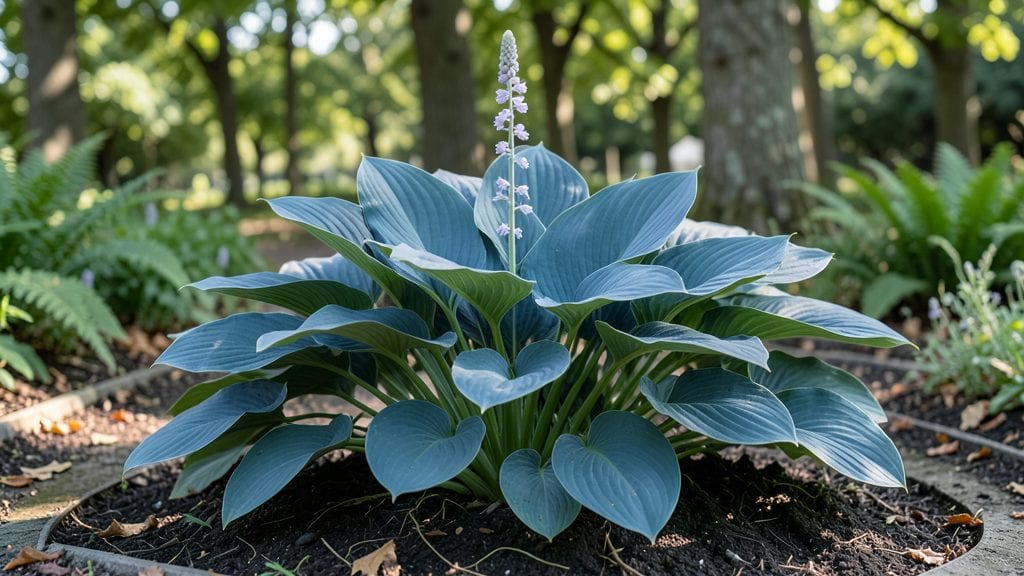
Garden live plants aren't just about sticking seeds in the dirt—they're about creating a thriving ecosystem where every plant supports its neighbor. 🌱 I learned this the hard way when my basil bolted because it was planted next to tomatoes that hogged all the water.
The right pairings mean stronger plants, fewer pests, and harvests that last from spring to fall.
Start with healthy starts—look for firm stems, vibrant leaves, and roots that aren't tangled or mushy. Most live plants need at least 6 hours of sunlight daily, though some shade-lovers like lettuce and spinach do better with morning sun and afternoon shade.
The soil should drain well but hold moisture; a mix of compost and native soil works best for most pairings.
Once planted, consistency is key. Water deeply once or twice a week (depending on your climate) rather than giving shallow drinks daily. Mulch helps retain moisture and keeps weeds down, while regular pruning encourages bushier growth.
The payoff? Plants that grow 30-50% faster when paired correctly, with fewer diseases and pests to fight.
This works for any garden size—container gardens, raised beds, or full yards. The secret isn't complicated, but it does take planning. Let's get those pairings right from the start so your garden becomes the envy of the neighborhood.
📚 In This Guide
- What you need
- Instructions
- Tips and common mistakes
- Wrapping up and next steps
What you need
- ● Live Plants: 3–5 companion plant varieties (e.g., basil + tomatoes, marigolds + peppers, or nasturtiums + cucumbers). Choose based on your climate and space!
- ● Seedlings or young plants (check local nurseries for organic, disease-resistant options).
- ● Soil & Fertilizer: 5–10 gallons of well-draining potting mix (or compost-amended garden soil).
- ● 1–2 cups of balanced organic fertilizer (e.g., 10-10-10 or compost tea).
- ○ Optional: Mycorrhizal fungi (boosts root health—great for veggies!).
- ● Containers or Garden Space: Planters (5–10 gallon pots for small gardens) or raised beds (at least 6" deep).
- ● Drainage holes (if using pots) to prevent root rot.
- ● Basic Tools: 1 trowel (for planting).
- ● 1 pair of pruning shears (to trim dead growth).
- ● 1 watering can or hose with a gentle spray nozzle.
- ○ Optional (But Helpful!): pH testing kit (to check soil acidity—ideal range: 6.0–7.0 for most plants).
- ● Mulch (straw or shredded leaves to retain moisture).
- ● Stakes or trellises (for vining plants like cucumbers or beans).
- ● ☀️ Sunlight: Confirm your garden’s sunlight hours (6+ for veggies, 4–6 for herbs).
- ● 💧 Water Access: Ensure a consistent water source (drip irrigation or hand-watering works!).
- ● 📅 Planting Timeline: Check your last frost date (most plants thrive after this!).
- ○ 🛡️ Pest Prevention: Neem oil or diatomaceous earth (optional but handy for bugs!).
Step-by-Step guide to planning thriving live plant pairings
Here's how to create a harmonious garden layout that boosts growth and deters pests naturally.
🌱 Step 1: Group Plants by Sunlight Needs
Start by mapping your garden space with sunlight zones. Most vegetables need 6-8 hours of sun daily, while leafy greens tolerate 4-6 hours. I like to group sun-loving plants like tomatoes and peppers together in the brightest spot, while herbs like parsley and cilantro go in partial shade. Observe your garden throughout the day—shadows shift, and what seems like full sun in the morning might be dappled by afternoon.
Use stakes or flags to mark zones before planting. This prevents transplant shock later when you realize a plant isn't getting enough light. For example, basil thrives in full sun but wilts if planted where it only gets morning light. Move your layout around on paper until you've matched each plant's needs with its future spot.
🌿 Step 2: Pair Plants with Natural Pest Deterrents
Companion planting works best when you pair plants that naturally repel pests for each other. Marigolds, for instance, deter nematodes and attract beneficial insects like ladybugs—plant them near tomatoes or cucumbers. I always include a few rows of these bright flowers around the perimeter of my garden beds. They're low-maintenance and work like a living pest barrier.
Garlic and onions planted near carrots deter carrot flies, while beans fix nitrogen in the soil, benefiting heavy feeders like corn. Keep a small notebook nearby to jot down which pairings work best in your space. Over time, you'll notice some combos thrive where others fail—adjust accordingly.
💧 Step 3: Balance Water Needs Between Plants
Group plants with similar water requirements together to simplify irrigation. Deep-rooted plants like asparagus need consistent moisture, while succulents and herbs like rosemary prefer dry soil. I dedicate one bed to moisture-loving plants and another to drought-tolerant varieties. This prevents overwatering or underwatering issues that stress plants and attract pests.
Check soil moisture weekly by pressing your finger 1 inch deep—if it feels dry, that's your cue to water. Mulch with 2-3 inches of organic matter (like straw or shredded leaves) to retain moisture and suppress weeds. Avoid over-mulching near shallow-rooted plants like lettuce, as it can smother them.
✂️ Step 4: Arrange Plants by Growth Habits
Tall plants like sunflowers or corn should go on the north side of your garden to avoid shading shorter crops. I place bush beans or peas near trellises on the south side so they don't compete for light. This vertical layering maximizes space and air circulation, reducing humidity-related diseases like powdery mildew.
Leave 18-24 inches of space between large plants and 6-12 inches between smaller ones. Crowding stresses plants and makes harvesting difficult. For example, planting basil too close to tomatoes can lead to fungal issues—both need good airflow but shouldn't be touching.
⏰ Step 5: Plan for Seasonal Successions
After your initial planting, map out a seasonal rotation schedule. Fast-growing crops like radishes or lettuce can follow slower ones like carrots or cabbage. I always plant a few extra seeds for succession—if one batch fails, you've got a backup. This keeps your garden productive year-round without overcrowding.
Note which plants thrive in your climate and adjust timelines accordingly. In cooler regions, start with cold-hardy greens in early spring, while warmer areas can begin with heat-loving peppers and eggplants. Rotate plant families annually to prevent soil-borne diseases from building up.
Tips & tricks for thriving garden plant pairings
These simple strategies will help you create a garden ecosystem that supports plant health and maximizes your harvest.
Sunlight Observation Tip: In Step 1, when mapping your sunlight zones, I recommend testing your garden's light conditions for a full week before planting. Shadows change throughout the day—what seems like full sun in the morning might only receive partial sun by afternoon. Use a whiteboard or large paper to sketch your garden layout and track sunlight patterns at different times. This prevents transplant shock when you realize a plant isn't getting its required light exposure.
Pest Defense Strategy: For Step 2's pest deterrent pairings, I always plant marigolds in a checkerboard pattern around my garden perimeter rather than just in rows. This creates a more effective barrier against pests while also attracting beneficial insects throughout the entire planting area. The bright flowers also make it easier to spot pests early. You can even interplant marigolds with your vegetables—just give them enough space so they don't compete for nutrients.
Watering Wisdom: When implementing Step 3's water grouping, I suggest creating distinct irrigation zones using soaker hoses or drip systems. This allows you to water each group according to its specific needs without overwatering or underwatering. For moisture-loving plants, water deeply 2-3 times per week, while drought-tolerant plants only need watering when the top inch of soil feels dry. This targeted approach saves water and prevents stress on your plants.
Seasonal Rotation Hack: For Step 5's seasonal successions, I keep a simple garden journal where I track which plants thrive in each season. This helps me plan future plantings more effectively. For example, if I notice that lettuce grows well in my climate during spring and fall but bolts in summer, I'll adjust my succession schedule accordingly. You can also use this journal to note which plant pairings work best together in your specific conditions.
Pro Tips for Garden Live Plants
- These simple strategies will help you create a garden ecosystem that supports plant health and maximizes your harvest.
- Sunlight Observation Tip: In Step 1, when mapping your sunlight zones, I recommend testing your garden's light conditions for a full week before planting.
- Pest Defense Strategy: For Step 2's pest deterrent pairings, I always plant marigolds in a checkerboard pattern around my garden perimeter rather than just in rows.
Frequently asked questions
Got questions about pairing live plants in your garden?
Here are answers to the most common ones—so you can create a thriving, low-maintenance ecosystem with confidence!
What are the easiest live plant pairings for beginners?
Start with classic companion plant combos like basil + tomatoes (basil deters pests and boosts flavor!) or marigolds + vegetables (marigolds repel nematodes naturally). Herbs like dill and lettuce also thrive together—just ensure they have enough space to grow.
How long does it take to see benefits from companion planting?
Some benefits, like pest reduction, appear within weeks (e.g., marigolds deterring aphids). Others, like soil improvement (e.g., nitrogen-fixing peas), take 1-2 growing seasons. For flavor enhancements (like basil with tomatoes), you’ll notice a difference mid-season.
Can companion plants survive in containers or small spaces?
Dwarf varieties
(like bush beans or compact basil) work perfectly in pots. Pair radishes + carrots in deep containers—the radishes grow fast, marking rows for carrots. Just ensure containers have drainage holes and enough sunlight for both plants.
What do I do if pests still attack despite companion planting?
Companion planting reduces pests but doesn’t eliminate them. If you spot issues, try neem oil (safe for most plants) or introduce beneficial insects like ladybugs. Rotate crops yearly to break pest cycles—and don’t hesitate to handpick larger pests!
Are there companion plants that help with drought conditions?
Yes! Drought-tolerant pairs like lavender + rosemary (both thrive in poor soil) or zucchini + nasturtiums (nasturtiums attract pollinators and conserve moisture). Mulch around the base to retain soil moisture—this works wonders in dry climates!
Wrapping up and next steps
Transforming your garden into a thriving ecosystem of live plants isn’t just about aesthetics—it’s about smart, sustainable growth. 🌱 By pairing companions wisely, you’ll deter pests, boost yields, and create a harmonious space that’s easier to maintain.
Whether you’re a seasoned gardener or just starting, every small step—like adding basil near tomatoes or marigolds around veggies—makes a big difference.
Ready to elevate your harvest? Start small: pick one plant pairing from this guide and observe the magic unfold! 🌿 Before you know it, your garden will be buzzing with life—and delicious rewards.