
Tools
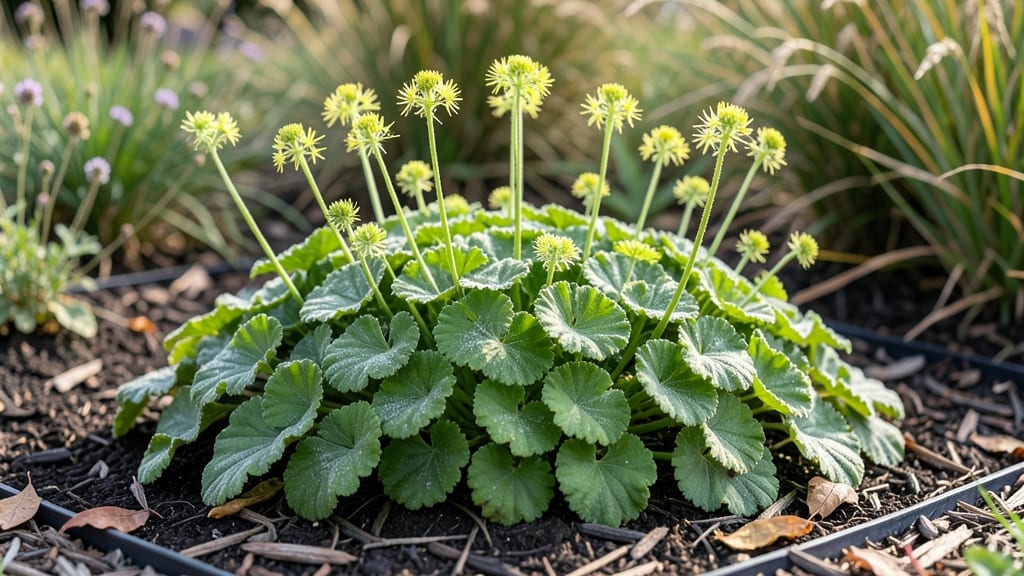
Growing Lady’s Mantle in your garden means year-round privacy with velvety foliage that thrives on neglect. ✨ I first fell for this plant when its fuzzy silver leaves caught the morning light like a waterfall—it’s the kind of foliage that makes neighbors stop and ask questions.
The best part? It handles shade, drought, and even urban smog better than most perennials, making it perfect for busy gardeners who still want drama.
This plant loves rich, well-draining soil but won’t complain if yours is average—just add some compost at planting time. Give it partial shade to full sun, and you’ll get that signature velvet-textured growth without fuss.
Watering is easy: keep the soil consistently moist for the first year, then let it tell you what it needs. By summer, you’ll have a lush, 3-4 foot tall screen that stays green even when other plants fade.
The real magic happens in late spring when tiny yellow flowers appear, followed by those famous dew-catching leaves. Prune back spent growth in early spring to encourage fresh, vibrant foliage, and watch it bounce back like nothing happened.
It’s the kind of plant that rewards patience—once established, it spreads gently to fill gaps without taking over.
Perfect for borders, woodland gardens, or even as a low-maintenance ground cover under trees. The more you grow it, the more you’ll find ways to sneak it into your landscape—it’s that versatile. Let’s get yours thriving!
📚 In This Guide
- What you need
- Instructions
- Tips and common mistakes
- Wrapping up and next steps
What you need
- ● Lady’s mantle plants: 3–5 Alchemilla mollis (or other varieties like Alchemilla erythropoda) per 3-foot section of screen. Choose healthy, established plants (1–2 gallons in size) for best results.
- ● Well-draining soil: Mix 2 parts topsoil with 1 part compost or peat moss (aim for a pH of 6.0–7.0). Avoid heavy clay.
- ● Organic mulch: 2–3 inches of shredded bark, straw, or wood chips to retain moisture and suppress weeds.
- ● Watering can or hose: With a gentle spray nozzle for even hydration.
- ● Pruning shears: Sharp, clean shears (bypass-style) for shaping and maintenance.
- ● Garden gloves: Heavy-duty to protect against thorns or rough foliage.
- ● Trowel or spade: For digging planting holes (6–8 inches deep and wide).
- ○ Stakes or trellis (optional): If training vines or creating a layered screen, use biodegradable stakes or lightweight metal grids.
- ● Slow-release fertilizer: Balanced 10-10-10 or organic options (like fish emulsion) for a nutrient boost.
- ○ Edging tools (optional): For neat borders if planting in rows.
- ○ Drip irrigation system (optional): For automated watering in larger installations.
Step-by-Step instructions for planting garden lady's mantle
This evergreen shrub thrives with minimal fuss—here’s how to plant it for a stunning, year-round privacy screen.
🌱 Step 1: Choose the Perfect Planting Spot
Garden lady’s mantle loves partial shade to full sun, but it tolerates morning sun with afternoon shade in hotter climates. I always pick a location with 6+ hours of indirect light daily—this keeps the foliage vibrant and prevents leaf scorch. Avoid spots where afternoon sun beats down relentlessly, especially if your summers are sweltering.
Check the soil drainage by digging a small hole—if water pools after 30 minutes, amend the area with 2-3 inches of compost to improve airflow. Lady’s mantle roots hate soggy feet, so raised beds or slightly elevated ground work beautifully. This shrub grows 3-5 feet tall and wide, so space plants 4-6 feet apart for a lush, unbroken screen.
🪴 Step 2: Prepare the Soil for Healthy Growth
Loosen the soil in a 12-inch diameter circle around each planting hole with a garden fork or trowel. Break up any compacted layers—this encourages roots to spread instead of circling. Mix in 1 part compost with 2 parts native soil to create a nutrient-rich blend without overwhelming the plant.
Dig a hole slightly wider than the root ball but no deeper—burying too far can suffocate the roots. Gently tease out any tangled roots at the bottom of the hole to encourage outward growth. If your soil is sandy, add a handful of peat moss to retain moisture; if it’s clay-heavy, blend in perlite for better drainage.
💧 Step 3: Plant and Water for Immediate Stability
Place the lady’s mantle in the hole so the top of the root ball sits level with the surrounding soil. Backfill with the amended soil mix, pressing lightly around the edges to remove air pockets. Water deeply until the soil 1 inch below the surface feels moist—this helps the roots settle quickly.
Mulch the base with 2-3 inches of organic mulch (like shredded bark or pine needles) to lock in moisture and suppress weeds. Keep the mulch 2 inches away from the stem to prevent rot. Water again after 3-4 days to encourage root establishment—you’ll know it’s working when new growth appears within 4-6 weeks.
☀️ Step 4: Maintain for Year-Round Beauty
Water once a week during the first growing season, then taper to every 2-3 weeks once established—this shrub thrives on neglect. Prune in late winter or early spring to shape the screen, cutting back any leggy stems by ⅓ of their length. Avoid heavy pruning after midsummer, as new growth won’t harden off before winter.
Fertilize lightly in early spring with a balanced, slow-release fertilizer (10-10-10). Too much nitrogen leads to floppy growth, so skip fertilizing in the second year unless the foliage looks pale. Watch for spider mites in dry spells—spray with water to dislodge them before they take hold.
⏰ Step 5: Enjoy Your Low-Maintenance Privacy Screen
Lady’s mantle’s silvery foliage and soft texture make it a standout in any landscape. By year two, your screen will fill in beautifully, offering year-round privacy with almost no upkeep. Group 4-5 plants together for a dense hedge, or stagger them for a natural, layered look.
Here’s the thing—this plant rewards patience. The first year is all about root growth, but once established, it’s nearly indestructible. I’ve seen mine survive drought, heavy snow, and even deer nibbles—just don’t expect it to bounce back from severe pruning. Let it grow wild, and it’ll thrive.
Tips & tricks for perfect garden lady's mantle planting
Planting garden lady's mantle is easier than you think—these pro tips will help you avoid common mistakes and get the most out of your privacy screen.
Soil Drainage Test: The 30-minute water test in Step 1 is your best friend! If water pools after this time, you're dealing with poor drainage. For a quick fix, create a small mound in the planting area or mix in coarse sand to improve drainage. This shrub will thank you by thriving instead of struggling with soggy roots.
Root Ball Prep: In Step 2, don't skip teasing out those tangled roots at the bottom of the hole. I learned this the hard way after planting three shrubs that struggled to establish. Gently separate any circling roots to encourage outward growth—this simple step makes all the difference in how quickly your plants take off.
Mulching Magic: That 2-3 inches of organic mulch in Step 3 isn't just decoration—it's a game-changer. Apply it immediately after planting to lock in moisture and keep roots cool. Pro tip: Use shredded bark or pine needles, which break down slowly and provide long-term benefits. Just remember to keep it 2 inches away from the stem to prevent rot.
Pruning Timing: When you prune in Step 4, late winter or early spring is crucial. This timing allows new growth to harden off before winter sets in. I've seen plants struggle when pruned too late—wait until you see fresh growth emerging before you reach for those shears.
Pro Tips for Garden Lady'S Mantle
- Planting garden lady's mantle is easier than you think—these pro tips will help you avoid common mistakes and get the most out of your privacy screen.
- Soil Drainage Test: The 30-minute water test in Step 1 is your best friend!
- Root Ball Prep: In Step 2, don't skip teasing out those tangled roots at the bottom of the hole.
Frequently asked questions
Got questions about growing and maintaining garden lady's mantle (Alchemilla mollis)?
You're not alone! Here are answers to the most common queries to help you create a stunning, low-maintenance privacy screen with ease.
When is the best time to plant garden lady's mantle for year-round privacy?
Plant in early spring or early fall when soil temperatures are mild (50–70°F). This gives roots time to establish before summer heat or winter frost. Avoid planting in peak summer or deep freeze—roots struggle in extreme temps. Pro tip: Mulch after planting to retain moisture and protect roots.
How much water does lady's mantle need? Will it survive drought?
Lady’s mantle is drought-tolerant once established (after 1–2 years), but young plants need 1 inch of water weekly during dry spells. Overwatering can cause root rot, so ensure well-draining soil. Water deeply but infrequently—this hardy plant thrives on neglect!
Are there common pests or diseases I should watch for with lady's mantle?
Generally pest-free, but watch for aphids, spider mites, or powdery mildew in humid conditions. Treat aphids with a strong spray of water or insecticidal soap. Improve airflow by pruning overcrowded foliage to prevent mildew. Prevention tip: Space plants 18–24 inches apart for airflow.
How and when should I prune lady's mantle for a neat privacy screen?
Prune in early spring (before new growth) or after flowering (late summer) to shape the plant. Remove dead or leggy stems at the base. Avoid heavy pruning—this plant thrives on its natural, lush form! For a dense screen, trim 1/3 of the plant height annually to encourage bushiness.
What are some low-maintenance alternatives if lady's mantle doesn’t thrive in my climate?
If your zone is too hot/dry (Zone 8+) or too cold (Zone 3-), try these resilient options:
All offer year-round interest with minimal fuss!
Wrapping up and next steps
Garden Lady’s Mantle is your secret weapon for effortless, year-round privacy—packed with stunning foliage and minimal fuss. Whether you’re a seasoned gardener or a beginner, its hardy nature and versatile uses make it a must-have for any outdoor space. Ready to transform your yard? Start small with one or two plants, experiment with placement, and watch your privacy screen flourish!
🌿 Next step: Grab your gloves, pick your spot, and let Lady’s Mantle work its magic! Plant today and enjoy the lush rewards tomorrow.