
Blooming
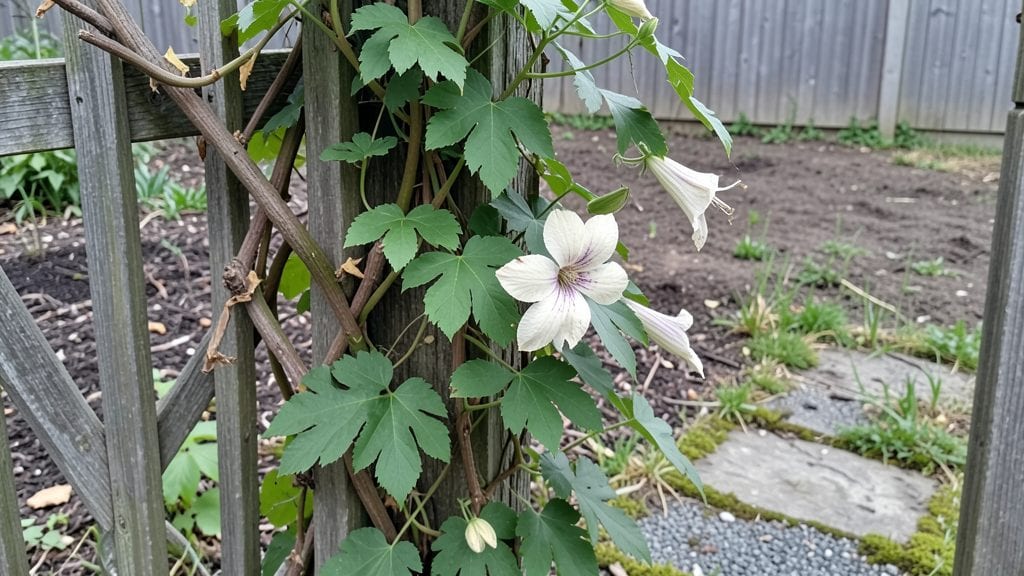
Your garden gate deserves blooms that look like they belong in a storybook. 🌸 I’ve spent years crafting arrangements that greet visitors with color and charm—whether it’s a riot of cottage-style roses or a modern mix of clematis and peonies.
The key isn’t just picking pretty flowers; it’s placing them where they’ll thrive and complement the entrance you already love.
Start with a mix of perennials like lavender and annuals like sweet peas for continuous color. Place taller plants behind the gate frame and shorter ones in front to create depth.
A simple trellis or wrought-iron arch can elevate the look without overwhelming the space. Even small gardens can shine with a hanging basket or wall-mounted planter near the gate.
By the time summer rolls around, your gate will be a burst of fragrance and texture—roses for romance, clematis for drama, and foliage like hostas or ferns to soften the edges.
The best part? These arrangements need minimal upkeep once established. Just prune spent blooms and feed the soil in spring.
Works for any style—whether you’re going for whimsical cottage, modern minimalist, or romantic garden vibes. The secret is letting the plants do the talking while you enjoy the welcoming view every time you walk through.
📚 In This Guide
- What you need
- Instructions
- Tips and common mistakes
- Wrapping up and next steps
What you need
- ● Fresh-cut flowers: 10–15 stems (mix of roses, peonies, baby’s breath, and snapdragons for texture)
- ● Floral foam or chicken wire: 1 block (for lightweight arrangements) or 1 roll (for heavier designs)
- ● Scissors or floral shears: 1 pair (sharp and clean for precise cuts)
- ● Ribbon or twine: 1 yard (for wrapping and securing—choose a rustic look like jute or satin)
- ● Container or base: 1–2 wooden crates, vintage baskets, or a sturdy branch (depending on your gate size)
- ● Waterproof glue or floral tape: 1 small bottle (to secure stems)
- ● Greenery fillers: Eucalyptus, ivy, or ferns (for lushness)
- ● Dried flowers or herbs: Lavender, dried roses, or baby’s breath (for a timeless touch)
- ● Paint or stain: For distressing wooden crates or gates (if you want a shabby-chic vibe!)
- ● Hot glue gun: For quick fixes (if working with non-porous materials)
- ● Spray bottle with water: To keep flowers hydrated while arranging
Step-by-Step instructions for crafting whimsical cottage-style flower arrangements
Here’s how to create charming, garden-inspired bouquets that feel like they belong on a rustic gate.
🌿 Step 1: Gather and Prep Your Flowers
Start by selecting a mix of 4-6 types of flowers—think wild roses, baby’s breath, daisies, and snapdragons—along with greenery like eucalyptus or ferns for texture. Trim stems at a 45-degree angle about 2 inches from the base to maximize water uptake. Strip leaves that would sit below the waterline in your vase to prevent rot.
I like to arrange flowers in odd-numbered groupings (3, 5, or 7 stems) for a natural, uneven look. For example, a cluster of 3 roses surrounded by 5 daisies and 7 sprigs of baby’s breath creates visual balance without feeling rigid. Work quickly—flowers wilt faster once cut.
🪴 Step 2: Choose and Prep Your Vessel
Pick a container with character—think vintage tin cans, mismatched pitchers, or repurposed glass jars. For a cottage feel, opt for unglazed ceramic or rustic wood if possible. Clean the vessel thoroughly and remove any labels or residue that could transfer to the stems.
Fill the container one-third full with water and add a pinch of bleach or flower food to extend freshness. If using a narrow-necked vase, cut stems at a steeper angle or use a stem cutter to create a wider surface area for hydration. This prevents stems from sealing against the sides and drying out.
💧 Step 3: Arrange for a Natural, Effortless Look
Begin by placing the tallest stems in the center of the vase, fanning them out slightly to create a loose base. Add medium-height flowers next, tucking them into the gaps between taller stems. Save the smallest blooms for last—they’ll fill in empty spaces and soften the arrangement.
Let stems naturally cross and intertwine; don’t force them into straight lines. The goal is a wild, organic shape—like flowers freshly picked from a garden gate. Once placed, gently press stems into the water to secure them, then adjust any stems that stick out awkwardly.
✂️ Step 4: Add Finishing Touches
Fill any remaining gaps with greenery or filler flowers like statice or gypsophila. These tiny blooms add volume and movement without overwhelming the arrangement. Trim stems again if needed to refresh the cuts and encourage better water absorption.
Step back and assess the arrangement from all sides. Cottage-style bouquets thrive on asymmetry and texture, so don’t be afraid to leave some stems longer or tuck a few leaves into the composition. A spritz of water from a spray bottle will help revive any wilted blooms and keep everything fresh for days.
☀️ Step 5: Maintain and Enjoy
Change the water every 2-3 days and trim stems by ½ inch each time to keep them hydrated. Place arrangements away from direct sunlight or heat sources, which cause flowers to wilt faster. A cool, shaded spot—like a porch or windowsill—will preserve their charm.
To extend their life, recut stems under running water before rearranging. If leaves turn yellow or water gets cloudy, it’s time for a fresh vase and a thorough rinse. With these simple steps, your garden gate blooms will stay vibrant and full of character for a full week.
Tips & tricks for whimsical cottage-style flower arrangements
Cottage-style bouquets thrive on spontaneity, but these refined techniques will elevate your arrangements from charming to showstopping without sacrificing that effortless garden gate appeal.
Cutting Technique Matters: In Step 1, that 45-degree angle and 2-inch trim aren't just about water uptake—they're about creating a fresh, clean break that prevents clogging in narrow stems. For especially stubborn stems, use a sharp knife or stem cutter instead of scissors to avoid crushing. I've ruined more arrangements than I'd like to admit by using dull tools that crush stems and limit hydration.
Odd Numbers Create Balance: The instructions mention arranging flowers in odd-numbered groupings (3, 5, or 7 stems), but here's the secret: these groupings should follow the Golden Ratio of 1:1.618 when possible. For example, if you start with 3 roses, surround them with 5 daisies (3+5=8, which divides by 1.618), then fill with 7 sprigs of baby's breath. This mathematical balance creates visual harmony that feels natural rather than forced.
Vessel Selection Secrets: In Step 2, while vintage tin cans and mismatched pitchers are perfect, don't overlook repurposed kitchen items like old colanders, wooden spoons, or even a hollowed-out gourd. The key is creating visual contrast between the container and flowers—think dark flowers in light vessels or vice versa. For narrow-necked containers, I keep a stem cutter handy to create wider cuts that prevent stems from sealing against the sides.
Maintenance Hack: The instructions recommend changing water every 2-3 days, but here's a pro tip: add 1 tablespoon of sugar to the water when you refresh it. The sugar feeds the flowers while the bleach or flower food prevents bacteria growth. I've found this simple addition extends vase life by an extra 2-3 days without any visible difference in appearance.
Pro Tips for Garden Gate Blooms
- Cottage-style bouquets thrive on spontaneity, but these refined techniques will elevate your arrangements from charming to showstopping without sacrificing that effortless garden gate appeal.
- Cutting Technique Matters: In Step 1, that 45-degree angle and 2-inch trim aren't just about water uptake—they're about creating a fresh, clean break that prevents clogging in narrow stems.
- Odd Numbers Create Balance: The instructions mention arranging flowers in odd-numbered groupings (3, 5, or 7 stems), but here's the secret: these groupings should follow the Golden Ratio of 1:1.618 when possible.
Frequently asked questions
What’s the best time of year to arrange garden gate blooms?
Spring and summer are ideal for fresh-cut blooms, but you can arrange them year-round with preserved flowers or dried varieties. For cottage-style charm, focus on seasonal blooms like peonies (late spring) or chrysanthemums (fall). Pro tip: If arranging in winter, opt for evergreens or dried lavender for texture!
Can I use any flowers, or are there specific types that work best?
While you can mix almost anything, cottage-style blooms thrive with loose, romantic flowers like roses, dahlias, sweet peas, and baby’s breath. Avoid overly structured blooms (e.g., tightly bound hydrangeas) unless you’re going for a rustic, undone look. Bonus: Wildflowers and garden rejects add whimsical charm!
How do I keep my garden gate blooms fresh longer?
Trim stems at an angle, change the water every 2–3 days, and store them in a cool spot (like a garage) overnight. Add a drop of bleach or floral preservative to the water to fight bacteria. For dried arrangements, keep them in a dry, shaded area to prevent fading or brittleness.
What if my arrangement looks too messy or uneven?
Embrace the imperfection—that’s the magic of cottage style! If it’s too wild, trim straggly stems or tuck in loose blooms. For a softer look, add a few sprigs of eucalyptus or ferns. Remember: The goal is effortless elegance, not perfection!
Are there budget-friendly alternatives to fresh flowers?
Try:
- Dried flowers (lavender, roses, or baby’s breath)
- Preserved blooms (available at craft stores)
- Greenery (ivy, pine sprigs, or ferns from your yard)
- Pressed flowers (from last season’s garden)
Wrapping up and next steps
Transforming your garden—or even a simple vase—into a whimsical cottage-style haven is easier than you think!
With a little creativity and the right blooms, you’ve got the power to craft arrangements that feel like stepping into a storybook. 🌸✨ Whether you’re a seasoned florist or a beginner, these Garden Gate Blooms are your ticket to adding charm and color to any space.
Ready to take the next step? Start small—grab a few wildflowers from your backyard or a local market, and let your imagination run wild. No rules here! Experiment with textures, colors, and containers, and soon, your garden (or home) will be bursting with that effortless, dreamy cottage magic.
Happy arranging! 🌿💐