
Landscaping
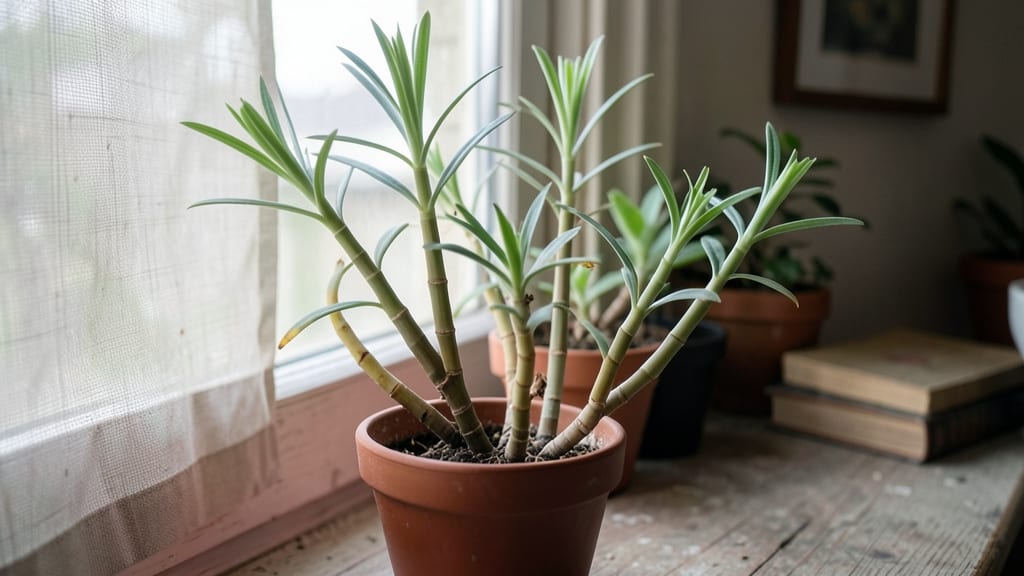
Garden design with bamboo transforms bare spaces into lush, living privacy screens that evolve as your plants grow. 🌿 I’ve watched my own backyard go from a windy, exposed patio to a serene retreat simply by planting bamboo along the property line—now I’m sharing how to do it right, without the invasive headaches.
Bamboo thrives as both a structural element and a softening feature, whether you’re aiming for modern sleekness or a tropical escape. The key lies in choosing the right type: clumping varieties like Moso or Bambusa multiplex stay contained, while running types (like Phyllostachys) need root barriers to prevent spreading.
Pair it with hostas, ferns, or ornamental grasses for texture contrast, and you’ve got a low-maintenance privacy solution that only gets better with time.
By the end of summer, you’ll have a 6-foot-tall living wall that blocks noise, filters wind, and adds value to your property. The best part? It keeps growing—year after year—without needing replanting.
Whether you’re framing a deck, masking a neighbor’s fence, or creating a backyard oasis, bamboo delivers instant privacy with long-term payoff.
Works for small urban yards or sprawling rural plots—just adjust the spacing and species to match your climate. Let’s get your space designed the way nature intended.
📚 In This Guide
- What you need
- Instructions
- Tips and common mistakes
- Wrapping up and next steps
What you need
- ● Bamboo plants: Clumping bamboo (e.g., Bambusa multiplex) – 3–5 plants per 6-foot section (spaced 3–4 feet apart for density).
- ● Running bamboo (e.g., Phyllostachys) – 2–3 plants per 6-foot section (requires containment barriers—see below!).
- ● Soil amendments: Compost (1–2 bags per 10 sq. ft.) for nutrient-rich soil.
- ● Organic mulch (e.g., wood chips or straw, 2–3 inches deep) to retain moisture.
- ● Containment system (for running bamboo): Root barrier fabric (30-inch deep × 1-inch thick, cut to fit trench width).
- ● Heavy-duty landscape fabric (0.6mm thickness) as a backup.
- ● Shovel or spading fork (for digging planting holes 12–18 inches wide/deep).
- ● Measuring tape and stakes (to mark plant spacing and layout).
- ● Garden gloves (to protect your hands—bamboo can be spiky!).
- ● Wheelbarrow (for hauling soil/mulch).
- ● Pruners (for trimming excess growth post-planting).
- ● Drip irrigation kit (to keep bamboo hydrated during dry spells).
- ● Bamboo trellis or stakes (for vertical support if training vines or young shoots).
- ● Fertilizer (balanced 10-10-10 or bamboo-specific feed, once per growing season).
- ● Decorative edging (stone, metal, or bamboo mulch for a polished look).
How to design a privacy screen using bamboo that evolves with your garden
Here's my go-to method for creating a living privacy screen that grows taller, denser, and more elegant over time.
🌱 Step 1: Choose the Right Bamboo Varieties for Your Climate and Space
Bamboo isn't one-size-fits-all—select clumping types like Fargesia robusta or Bambusa multiplex for controlled spread, as they won't take over your yard. These varieties stay under 10-15 feet tall, perfect for most residential privacy screens. Avoid running bamboo (like Phyllostachys species) unless you're prepared for underground rhizome containment systems.
Check your hardiness zone—most ornamental bamboo thrives in zones 5-9. If you're in a hot, dry climate, opt for Bambusa oldhamii, which tolerates 100°F+ temperatures. For cooler areas, Fargesia murielae handles 10°F dips without browning. Plant in early spring when soil temperatures hit 60°F for best root establishment.
🪴 Step 2: Plan the Layout for Maximum Privacy and Aesthetic Flow
Measure your space and divide the area into 4-foot sections—this gives each plant room to mature without overcrowding. For a 6-foot-tall screen, plant 3-4 bamboo stalks per section, spaced 3-4 feet apart in a staggered pattern. This creates natural gaps for airflow while maintaining visual density.
Consider the mature height of your bamboo. If you want a two-tiered look, pair 6-foot-tall varieties with 3-foot ground covers like Liriope muscari or Carex oshimensis. This adds texture and softens the bamboo's vertical lines. Sketch a quick layout—bamboo grows quickly, and you don't want to regret placement after a year.
☀️ Step 3: Prepare the Soil and Plant for Optimal Growth
Bamboo loves rich, well-draining soil with a slightly acidic pH (6.0-6.5). Amend your native soil with 3 inches of compost and 1 part perlite to 3 parts soil to improve drainage. Dig holes twice as wide as the root ball but only as deep—planting too deep suffocates roots and causes rot.
Remove the bamboo from its container and loosen the roots if they're circling. Place the plant in the hole, backfill with native soil (not potting mix), and water deeply to settle everything. Add 2 inches of mulch around the base, keeping it 6 inches away from the stem to prevent moisture buildup that invites fungal diseases. Water 2-3 times weekly until new growth appears—this ensures the roots establish before summer heat arrives.
✂️ Step 4: Prune and Train for a Polished, Natural Look
Wait until spring to prune—never cut bamboo in fall or winter, as it stores energy in its stems. Remove any dead or yellowing canes at the base with clean, sharp loppers. For a fuller screen, trim back 1/3 of the oldest canes each year to encourage new growth. This keeps your screen dense and prevents it from becoming woody and sparse.
Weave younger canes through older ones to create a tighter screen. If a stalk grows too close to a neighbor, gently bend it outward to maintain airflow. Avoid heavy pruning in the first year—let the plant focus on root and cane development. You'll see dramatic improvement in density by year three if you stick to this schedule.
💧 Step 5: Maintain Through Seasons for Long-Term Privacy
Water deeply once weekly during the first growing season to encourage deep root growth. Once established, bamboo tolerates drought but looks best with 1 inch of water per week during dry spells. Fertilize in early spring with a balanced 10-10-10 formula—bamboo doesn't need heavy feeding, but a light application boosts foliage production.
In winter, remove any frost-damaged leaves but leave the canes intact. Bamboo is surprisingly cold-hardy once established. If you notice canes leaning or growing unevenly, gently stake them in early spring before new shoots emerge. With proper care, your screen will reach full privacy potential in 3-5 years, growing with your garden instead of against it.
Tips & tricks for perfect bamboo privacy screens
Between us, the difference between a lush, elegant bamboo screen and a messy, invasive nightmare often comes down to these key details.
Variety Selection: When choosing between Fargesia robusta and Bambusa multiplex, pay special attention to their mature heights. The 10-15 feet range mentioned is ideal for most residential spaces, but if you're working with a narrower area, opt for Fargesia nitida which maxes out around 8 feet. This prevents overcrowding while still providing full privacy within 3-5 years. I learned this the hard way after planting Phyllostachys species that required containment barriers I hadn't budgeted for.
Soil Preparation: That slightly acidic pH (6.0-6.5) is non-negotiable for optimal growth. If your soil tests higher than 7.0, amend with sulfur or peat moss before planting. The 3 inches of compost and perlite mixture create the perfect balance of moisture retention and drainage—don't skip this step, even if your soil looks rich. I've seen bamboo struggle in heavy clay soils despite perfect fertilizer applications.
Layout Strategy: The 4-foot sections and 3-4 stalks per section spacing creates that perfect balance between density and airflow. For a more formal look, consider planting in a grid pattern rather than staggered. And here's what nobody tells you—when pairing with 3-foot ground covers like Liriope muscari, plant them 6 inches behind the bamboo to prevent competition for nutrients. The ground covers will eventually fill in naturally, creating that layered effect.
Pruning Timing: Spring pruning is critical because bamboo stores energy in its stems during winter. When you trim back 1/3 of the oldest canes each year, you're actually encouraging new growth from the base. Pro tip: Mark your calendar for late February to early March—this gives the plant time to recover before summer heat arrives. And never use hedge trimmers for bamboo—always use clean, sharp loppers to avoid tearing the canes.
Pro Tips for Garden Design Bamboo
- Between us, the difference between a lush, elegant bamboo screen and a messy, invasive nightmare often comes down to these key details.
- Variety Selection: When choosing between Fargesia robusta and Bambusa multiplex, pay special attention to their mature heights.
- Soil Preparation: That slightly acidic pH (6.0-6.5) is non-negotiable for optimal growth.
Frequently asked questions
Got questions about using bamboo in your garden design? You’re not alone!
Here are some of the most common concerns—plus practical solutions—to help you create a lush, private space with confidence.
What’s the fastest-growing bamboo species for quick privacy?
If you want instant results, opt for Bambusa vulgaris (common bamboo) or Phyllostachys aureosulcata (yellow groove bamboo). These can grow 3–5 feet per year under ideal conditions. For faster height, plant clumping varieties—they spread less aggressively than runners but still deliver rapid vertical growth!
How do I contain bamboo roots to prevent it from spreading everywhere?
Use root barriers (HDPE plastic or metal sheets buried 2–3 feet deep) to block rhizomes. For clumping bamboos, no barrier is needed—they naturally resist spreading. Pro tip: Plant 1–2 feet away from your property line and monitor growth. If you’re unsure, consult a local nursery for species suited to your climate!
When is the best time to plant bamboo for a privacy screen?
The ideal window is late spring or early fall when temperatures are mild. Avoid extreme heat or frost—bamboo roots need time to establish before winter. Bonus: Planting in spring gives you a full growing season to see quick results, while fall planting reduces stress on the plant.
Can I use bamboo for privacy in small yards or containers?
Dwarf varieties like Bambusa multiplex ‘Alphonso-Karri’ (clumping) or Fargesia robusta (running, but contained) thrive in large pots (15+ gallons). Just ensure the container has drainage holes and refresh the soil annually. Warning: Avoid running bamboos in small spaces—they’ll outgrow their containers quickly!
How do I deal with pests or diseases in my bamboo?
Most bamboo is low-maintenance, but watch for aphids, spider mites, or fungal spots (like rust). Treat pests with neem oil or insecticidal soap. For fungal issues, improve airflow and avoid overhead watering. Prevention tip: Choose disease-resistant species like Phyllostachys nigra (black bamboo) for hardier growth.
What’s the lifespan of bamboo in a garden design?
With proper care, bamboo can live 10–20+ years! Clumping types often outlast running varieties due to less stress. Longevity hack: Prune dead canes annually, fertilize lightly in spring, and mulch to retain moisture. If your bamboo looks tired after a decade, consider replacing it—it’s a small price for stunning, natural privacy!
Wrapping up and next steps
Transforming your outdoor space with bamboo isn’t just about adding a stylish privacy screen—it’s about creating a living, evolving sanctuary that grows with your needs. Whether you’re drawn to its sleek elegance, rapid growth, or eco-friendly charm, bamboo offers a versatile and sustainable solution for any garden. 🌿
Now that you’re armed with the knowledge to choose the right variety, plan your design, and maintain your bamboo screen, it’s time to roll up your sleeves and get planting! Start small—sketch a simple layout, gather your tools, and watch your dream garden take shape, one bamboo stalk at a time. Your future oasis is just a few shoots away.
- Next step: Pick a sunny weekend, break ground, and let nature do the rest!