
Tools
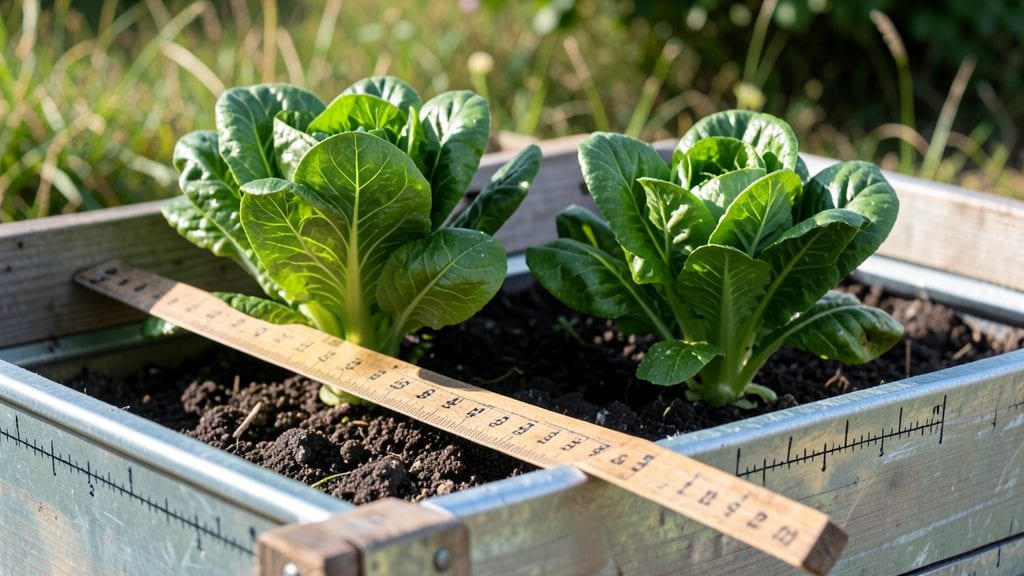
Determining garden bed measurements involves standard widths of 3 to 4 feet for easy reach, flexible lengths based on available space, and depths between 6 to 12 inches for optimal root growth in vegetables and herbs. Raised beds often follow 8-foot lengths and 4-foot widths for efficiency, though adjustments should align with your plants' needs and physical accessibility.
Standard garden bed dimensions aren't arbitrary—they're designed to balance accessibility with plant health.
A 3- to 4-foot width lets you reach the center without stepping on soil, which compacts it and harms roots. 🌱 For raised beds, the 8-foot length maximizes space while keeping materials manageable, though corner beds or slopes may require creative shaping.
Depth matters too: shallow beds (6 inches) work for shallow-rooted herbs, while deeper beds (12 inches) accommodate carrots or potatoes. My go-to trick? Use a string line and stakes to mark layouts before digging—it saves time and ensures precision.
💡 In This Article
- How Garden Bed Dimensions Impact Plant Growth
- Customizing Garden Bed Sizes for Your Yard and Plants
How garden bed dimensions impact plant growth
The width of your garden bed directly affects root development and soil quality. A 3- to 4-foot width is ideal because it allows you to reach the center without stepping on the soil, which prevents compaction—a common issue that restricts root growth and oxygen flow.
When soil compacts, roots struggle to penetrate, leading to stunted plants. For example, tomatoes need strong root systems to support their vines, and compacted soil can reduce yield by up to 30%.
The science here is simple: loose soil retains moisture better and allows roots to spread freely, improving nutrient absorption.
Length plays a role in sunlight exposure and air circulation, two critical factors for plant health. Longer beds (8 feet) maximize space efficiency but require careful planning to ensure all plants receive 6-8 hours of sunlight daily.
Shorter beds (4 feet) work well in shaded areas or for compact plants like lettuce or radishes. Airflow is equally important—crowded beds can trap humidity, promoting fungal diseases like powdery mildew.
I’ve noticed that raised beds with 4-foot widths and 8-foot lengths strike the best balance, allowing airflow while minimizing soil evaporation.
Depth is where the real magic happens for root systems. Shallow beds (6 inches) suit herbs like basil or chives, while deeper beds (12 inches) are essential for root crops like carrots or potatoes.
The deeper the bed, the more stable the soil temperature remains, protecting roots from extreme heat or cold. Raised beds, in particular, warm up 10-15°F faster in spring than in-ground beds, giving plants a head start.
This thermal advantage is why raised beds are popular in cooler climates—plants mature 2-3 weeks earlier than in traditional gardens.
Material choice also influences soil temperature and moisture. Wooden raised beds insulate soil better than metal or plastic, while in-ground beds rely on natural soil composition. For instance, sandy soil drains quickly but may require daily watering**, while clay soil retains moisture but can suffocate roots.
If you’re working with heavy clay, consider amending the soil with compost to improve aeration. The key takeaway? Match your bed dimensions and materials to your soil type and climate for optimal results.
Accessibility is another critical factor, especially for raised beds. A 4-foot height is standard for wheelchair users, while 2-foot heights work for kneeling gardeners. Taller beds reduce soil compaction from foot traffic but may require additional support to prevent warping.
For example, cedar or redwood lumber resists rot better than pine, extending the life of your bed. The right dimensions and materials ensure your garden is both productive and sustainable.
Here’s a quick comparison to help you visualize the impact:
- Width: 3-4 feet for reachability; 2 feet for vertical gardening
- Length: 8 feet for efficiency; 4 feet for corners or slopes
- Depth: 6 inches for herbs; 12 inches for root crops
- Height: 2-4 feet for accessibility and soil insulation
Ultimately, the right dimensions create a thriving ecosystem where plants can flourish without competition for resources. Whether you’re growing tomatoes, lettuce, or flowers, paying attention to these details will give you a garden that’s both beautiful and bountiful. 🌿