
Companion Plants
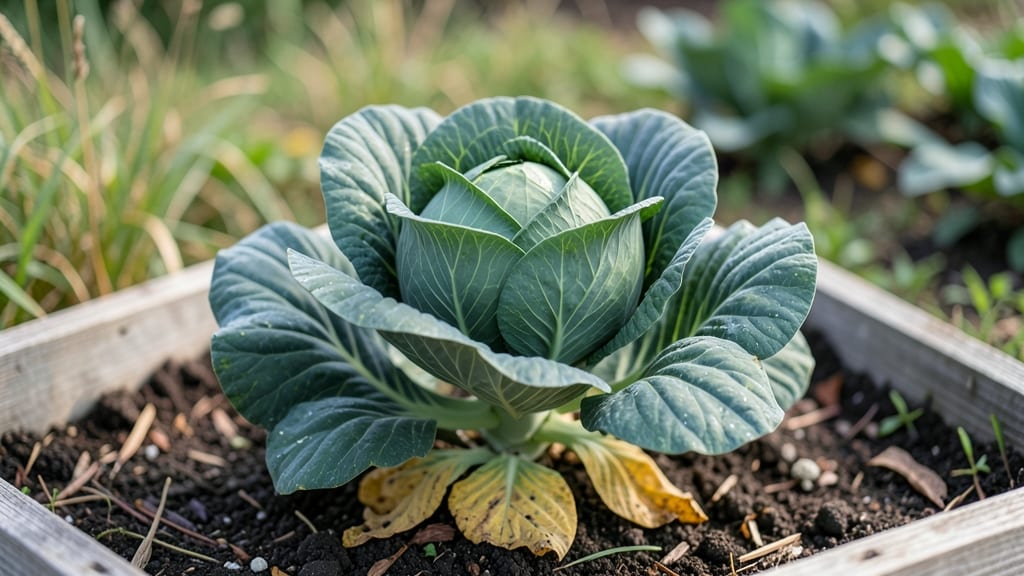
Can your garden cabbage plants outlast the onslaught of caterpillars this season?
That’s the dream—and I’ve cracked the code after years of losing entire heads to pests. 🌱 The secret isn’t just timing or soil; it’s a layered defense that keeps cabbage thriving from seed to harvest, even when your neighbors’ plants look like Swiss cheese.
Start with rich, well-draining soil (think compost + aged manure) and full sun—cabbage needs at least 6 hours daily to bulk up. Plant seeds ¼ inch deep, spacing them 18 inches apart to prevent disease.
Water deeply 1-2 times per week, keeping leaves dry to deter slugs and fungus. The real game-changer? Companion plants like thyme, rosemary, or nasturtiums—these repel cabbage moths without chemicals.
By midseason, you’ll watch those tight heads form, vibrant green and firm to the touch, proof the pests never got a foothold. Harvest when heads feel heavy for their size, cutting with a sharp knife to avoid bruising.
Store in a cool, dark place for weeks—no wilting, no bitterness, just crisp cabbage ready for soups, stir-fries, or fermenting.
This works for spring, summer, or fall crops, even in cooler climates. Skip the row covers if you’re using companions right, but keep them handy for late-season moth surges. Now, let’s get those seeds in the ground before the next infestation hits!
📚 In This Guide
- What you need
- Instructions
- Tips and common mistakes
- Wrapping up and next steps
What you need
- ● Cabbage Seeds or Seedlings: Choose pest-resistant varieties like ‘Golden Acre,’ ‘Savoy King,’ or ‘Copenhagen Market.’
- ● Quantity: 10–20 seeds (or 3–5 seedlings) per plant, depending on desired harvest size.
- ● Growing Space: Full sun (6+ hours/day) in well-draining soil (pH 6.0–7.0).
- ● Option 1: Garden bed (12"–18" spacing between plants).
- ● Option 2: Containers (5+ gallon pots with drainage holes).
- ● Soil Mix: 1 part compost + 2 parts garden soil (or potting mix for containers).
- ● Add aged manure (1–2 cups per planting hole) for nutrients.
- ● Fertilizer: Balanced organic fertilizer (e.g., 10-10-10) or fish emulsion (apply at planting and mid-growth).
- ● Tools: Hand trowel, pruners, and gardening gloves.
- ● Watering can or hose with fine-mist nozzle (cabbage hates soggy roots!).
- ○ Row cover fabric (optional, for early planting or pest protection).
- ● Companion Plants: Dill, onions, or thyme to deter pests like cabbage moths.
- ● Neem oil or insecticidal soap (for organic pest control).
- ● Mulch (straw or grass clippings) to retain moisture and suppress weeds.
- ● Plant markers (to track varieties and planting dates).
Step-by-Step guide to growing healthy cabbage plants
Here’s how I grow cabbage that thrives year-round, stays pest-resistant, and delivers crisp, flavorful heads.
🌱 Step 1: Select and Prepare the Right Soil
Cabbage thrives in rich, well-draining soil with a pH between 6.5 and 7.0. Start by mixing 3 gallons of premium potting mix with 1 cup of compost to boost fertility. I like to add 1 tablespoon of balanced 10-10-10 fertilizer per gallon of soil to ensure steady nutrient supply.
Work the mix into the top 6 inches of your planting bed or container. If your soil is heavy clay, blend in 1 gallon of perlite to improve drainage. Cabbage roots need air, and compacted soil leads to rot. Test moisture by squeezing a handful—it should crumble slightly but not fall apart.
🌿 Step 2: Plant Cabbage Starts at the Right Time
For a year-round harvest, plant 4 cabbage starts every 2-3 weeks in early spring and late summer. Cabbage loves cool weather—ideal temperatures range from 60°F to 70°F. If planting in hotter months, choose heat-tolerant varieties like ‘Golden Acre’ or ‘Red Express’.
Dig holes twice as wide as the root ball and 1 inch deeper than the container. Gently remove the plant, loosen the roots, and place it in the hole. Backfill with soil, firming lightly around the base. Water immediately to settle the soil and eliminate air pockets. Space plants 18 inches apart in rows 24 inches apart for proper airflow.
💧 Step 3: Water Deeply and Maintain Consistent Moisture
Cabbage needs 1-1.5 inches of water per week, but deep watering is key. Water at the base of the plant in the early morning to prevent fungal diseases. Let the top 1-2 inches of soil dry between waterings—this prevents root rot while keeping leaves crisp.
I use a soaker hose for even distribution, avoiding overhead sprinklers that can spread disease. Mulch with 2 inches of straw to retain moisture and suppress weeds. Watch for yellowing leaves—this signals underwatering, while mushy stems mean overwatering. Adjust based on rainfall and temperature.
☀️ Step 4: Protect Plants from Pests and Bolting
Cabbage attracts pests like cabbage worms and aphids, but row covers and neem oil spray keep them at bay. Apply neem oil every 7-10 days as a preventative. For extra protection, plant marigolds or nasturtiums nearby—they repel pests naturally.
To prevent bolting (premature flowering), keep plants consistently cool. If temperatures rise above 80°F, provide afternoon shade with a lightweight row cover. Harvest outer leaves first to encourage continuous growth. If heads form too early, trim the center stem to delay maturity and extend the harvest window.
✂️ Step 5: Harvest at Peak Maturity for Best Flavor
Cabbage heads are ready when they feel firm and solid. For smaller, tender heads, harvest when they reach 4-6 inches in diameter. For full-sized heads, wait until they reach 8-12 inches—this usually takes 70-100 days from transplanting, depending on the variety.
Use a sharp knife to cut the head cleanly at the base, leaving 1-2 inches of stem. This allows regrowth for a second harvest. Store harvested heads in a cool, dark place (around 35°F) for up to 2 weeks. For long-term storage, ferment or freeze for later use.
Tips & tricks for perfect garden cabbage growth
A few strategic adjustments can transform your cabbage from struggling to spectacular—here's what I've learned after years of trial and error.
Soil Preparation Secret: In Step 1, don't just mix your soil—actually test that pH before planting. I use a simple soil test kit to confirm it's between 6.5-7.0. If your soil tests lower, add crushed limestone (about 5 pounds per 100 square feet) and mix it in 2-3 weeks before planting. The right pH prevents nutrient deficiencies that cause yellowing leaves, and cabbage is particularly sensitive to acidic soil.
Transplanting Technique: When handling those 4 cabbage starts in Step 2, focus on the roots. Gently tease them apart if they're circling in the container—this prevents girdling as they grow. I also make sure to water thoroughly right after transplanting to eliminate air pockets around the roots. The 18-inch spacing might seem generous, but it's crucial for airflow that prevents fungal diseases like black rot.
Watering Wisdom: The 1-1.5 inches of water per week in Step 3 is non-negotiable, but timing matters just as much. I set up a simple rain gauge next to my plants to track actual rainfall—this helps me adjust my watering schedule. The key is that top 1-2 inches of soil should dry between waterings, but never let the plant wilt. Overhead watering is the fastest way to spread fungal spores, so that soaker hose makes all the difference.
Pest Prevention Pro Tip: For Step 4's pest protection, I go beyond just neem oil. I plant a border of dill around my cabbage patch—it attracts beneficial wasps that prey on cabbage worms. The marigolds and nasturtiums are great too, but the dill has been my secret weapon for organic pest control. And when temperatures hit that 80°F threshold, I don't just add shade—I also water the leaves in the evening to help them cool down naturally.
Pro Tips for Garden Cabbage Plants
- A few strategic adjustments can transform your cabbage from struggling to spectacular—here's what I've learned after years of trial and error.
- Soil Preparation Secret: In Step 1, don't just mix your soil—actually test that pH before planting.
- Transplanting Technique: When handling those 4 cabbage starts in Step 2, focus on the roots.
Frequently asked questions
Got questions about growing garden cabbage plants?
You’re not alone! Here are some of the most common concerns—and their solutions—to help you cultivate a thriving, pest-resistant cabbage patch all year long.
When is the best time to plant garden cabbage?
Cabbage thrives in cool weather, so aim to plant 4-6 weeks before your last frost date in spring or 60-80 days before your first fall frost. For year-round harvests, stagger plantings every 2-3 weeks. In warm climates, opt for late summer or early fall to avoid bolting (premature flowering) during heatwaves.
How do I keep pests away from my cabbage plants?
Cabbage worms, aphids, and cabbage loopers are common pests, but you can fight back! Use row covers to block butterflies (worm culprits), handpick pests early, or introduce beneficial insects like ladybugs or parasitic wasps. For organic control, spray neem oil or kaolin clay as a deterrent. Companion planting with nasturtiums, dill, or thyme also repels pests naturally.
How long does it take for cabbage to grow?
Most garden cabbage varieties take 70-100 days to mature, depending on the type (e.g., early varieties like ‘Golden Acre’ may be ready in 60 days, while late varieties like ‘Hubbard’ take 100+ days). Check seed packets for specific timelines and adjust planting schedules to align with your frost dates. Patience pays off—big, beautiful heads are worth the wait!
Can I grow cabbage in containers or small spaces?
Choose compact or dwarf varieties like ‘Miniature Peanut’ or ‘Crimson Delight’ for containers. Use a 5-gallon pot or larger with well-draining soil and place in full sun. Ensure pots have drainage holes to prevent root rot. For small gardens, trellis-growing (like ‘Savoy King’) can save space while keeping leaves off the ground.
What can I do if my cabbage heads split or taste bitter?
Split heads usually mean uneven watering or rapid growth. Keep soil consistently moist (but not soggy) and mulch to retain moisture. Bitter flavor often signals heat stress or bolting. If planted too late in warm climates, opt for heat-tolerant varieties or use shade cloth during peak sun. Harvest heads before they get too large to prevent splitting.
Are there any easy alternatives to traditional cabbage?
If cabbage seems tricky, try kale, bok choy, or Brussels sprouts—they’re equally nutritious and often more forgiving! For a similar texture, Chinese cabbage (bok choy) matures in just 30-60 days and thrives in cooler weather. Collard greens are another great option, offering a longer harvest window and cold-hardy growth.
Wrapping up and next steps
Growing garden cabbage plants can be incredibly rewarding, especially when you harness the power of companion planting and smart pest management. By choosing the right neighbors like dill, onions, or thyme, you’ll create a thriving ecosystem that deters pests naturally while boosting your harvest.
Remember, consistency in care—whether it’s mulching, rotating crops, or handpicking pests—is key to year-round success!
Ready to put these tips into action? Start small with a single cabbage patch this season, experiment with a few companion plants, and watch your garden flourish. Happy growing—your future salads (and bragging rights!) are waiting! 🌱✨