
Tools
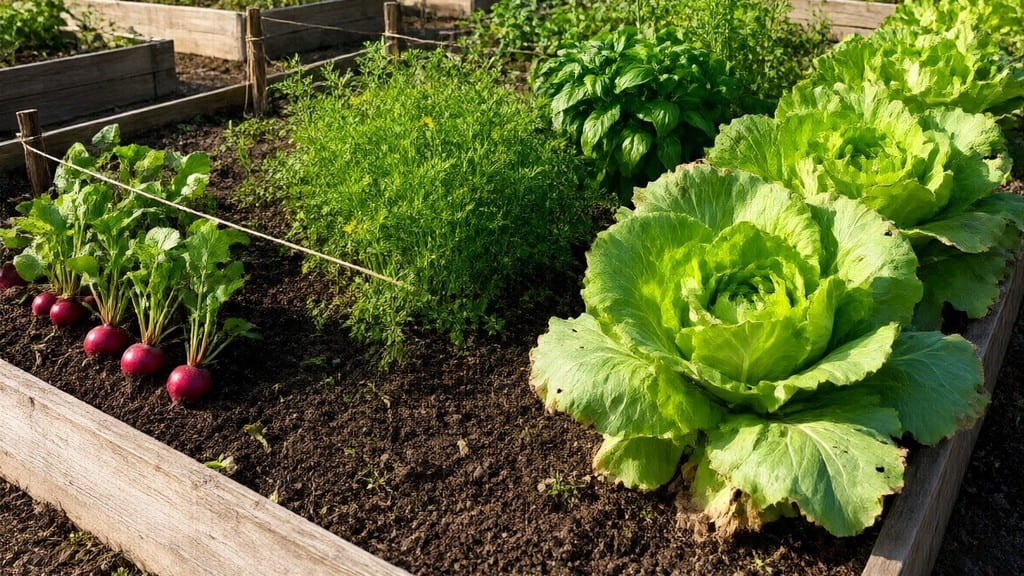
Optimal garden bed width for easy access and plant growth is 3 to 4 feet, allowing reach to the center without stepping on soil. Wider beds require pathways, while narrower ones may limit planting variety and airflow.
This ideal width balances practicality with plant needs—giving roots enough space to spread while keeping the center accessible without trampling soil. A 4-foot width lets you reach the middle from either side, while a 3-foot bed works well for smaller gardens or single-row planting.
Too narrow, and you’ll struggle with airflow and weed control; too wide, and you’ll need pathways that cut into planting space. 🌱
For raised beds, this dimension also prevents soil compaction from foot traffic, which can stunt root growth over time. I’ve found that adding 1-foot pathways between beds (for a 5-foot total width) keeps maintenance manageable without sacrificing growing area.
The key is matching the width to your garden’s layout and the types of crops you’re growing—leafy greens thrive in narrower strips, while root vegetables need more elbow room.
💡 In This Article
- How Garden Bed Width Affects Plant Health and Maintenance
- Designing Garden Beds for Accessibility and Space Efficiency
How garden bed width affects plant health and maintenance
Root development thrives when garden beds strike the right balance between space and accessibility. A 3-4 foot width allows roots to spread laterally without overcrowding, which is critical for nutrient absorption and stability.
For example, carrots and beets need at least 3 inches of soil depth but also benefit from 6-12 inches of horizontal root space—something a 2-foot bed simply can't provide effectively.
The wider the bed, the more roots compete for water and nutrients, potentially stunting growth in the center where sunlight and airflow are often limited.
Sunlight exposure becomes uneven in beds wider than 4 feet because the center receives only about 60-70% of the light hitting the edges. This shading effect creates cooler, more humid conditions that encourage fungal diseases like powdery mildew.
In contrast, a 3-foot bed ensures even sunlight distribution, with all plants getting 80-90% of full exposure. The temperature difference is measurable too—center areas of wide beds can stay 5-10°F cooler during peak sunlight hours, slowing photosynthesis and reducing yields.
Weed control suffers dramatically in narrow beds (2 feet) because hand-weeding becomes inefficient, leaving gaps for invasive species to take root. On the flip side, beds wider than 4 feet create maintenance challenges: reaching the center requires stepping on soil, compacting it and reducing aeration.
Soil compaction cuts oxygen flow to roots by up to 30%, which is why raised beds with 3-4 foot widths maintain loose, fertile soil without foot traffic damage.
The texture difference is noticeable—compacted soil feels dense and clay-like, while properly spaced beds have a crumbly, airy feel ideal for root growth.
Airflow patterns shift dramatically based on width, directly impacting plant health. A 3-foot bed allows wind to circulate freely through rows, reducing humidity and preventing fungal spores from settling. In 5-foot beds, airflow stagnates in the center, creating microclimates where humidity rises and diseases like early blight thrive.
The difference is visible: healthy plants in narrow beds have glossy leaves, while wide-bed centers often show yellowing or spotted foliage from poor airflow. This is especially critical for leafy greens like lettuce, which wilt faster in stagnant air.
Harvest efficiency also depends on width—3-4 foot beds let you stand and reach all plants without bending or stepping, reducing strain and speeding up picking. In contrast, 2-foot beds force constant kneeling, which is tough on knees and slows work.
Wider beds (> 5 feet) require pathways that can consume 20-30% of your planting space.
The math is simple: a 10x10 foot garden with 4-foot beds gives you 8 square feet of growing space, while 5-foot beds with pathways drops it to 6 square feet—a 25% reduction in usable area.
Consider your garden's purpose when choosing width. For intensive planting (like succession crops), 3-foot beds work perfectly. For larger plants (tomatoes, corn), 4-foot beds provide the space they need without sacrificing access.
The sweet spot isn't just about reach—it's about creating an ecosystem where every plant gets optimal growing conditions without human interference. 🌿