
Flowers
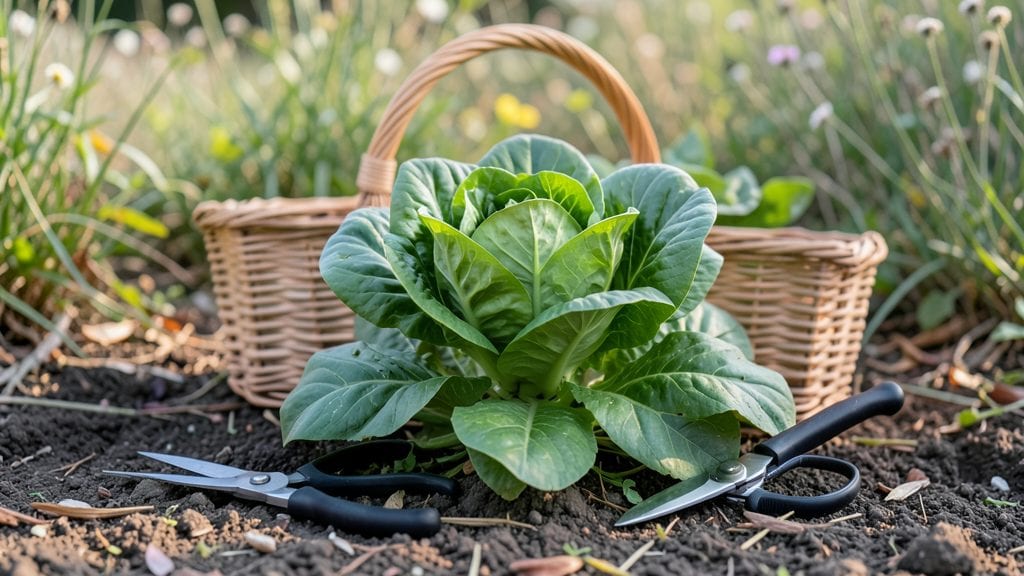
When we say a garden is freshly gardened, we mean it’s actively cared for through recent tilling, planting, pruning, or maintenance—creating nutrient-rich soil, vibrant plant health, and ideal growing conditions. This involves consistent attention to weeds, moisture levels, and seasonal adjustments to keep everything thriving.
A freshly gardened space isn’t just about looks—it’s a living ecosystem where soil microbes thrive, roots expand freely, and plants resist pests naturally. 🌱 Think of it like giving your garden a spa day: regular pruning boosts airflow, mulching locks in moisture, and smart fertilizing feeds the soil food web.
The result? Plants that grow stronger, faster, and with fewer problems than neglected patches. Even just a few hours of weekly care can transform a struggling bed into a lush, productive oasis.
What sets freshly gardened gardens apart is the balance between effort and results. For example, a weekly weeding session prevents weeds from stealing nutrients, while seasonal pruning directs energy into fruit or flowers. The key is consistency—skipping steps might save time now but leads to bigger headaches later.
I’ve seen gardens go from patchy and struggling to bursting with life in just a few months with this approach.
💡 In This Article
- What Freshly Gardened Soil and Plants Need
- Signs Your Garden Is Truly Freshly Gardened
What freshly gardened soil and plants need
Here's what's actually happening in actively maintained gardens: freshly gardened soil thrives because it maintains a delicate balance of aeration and microbial activity. When you till or loosen compacted soil, you create tiny air pockets that allow oxygen to reach plant roots—critical for respiration.
This process also disrupts anaerobic zones where harmful bacteria thrive. 🌱 Fresh soil typically has 10-30% porosity, compared to neglected soil that can drop below 5% porosity, suffocating roots and reducing nutrient uptake by up to 50%.
The real magic happens in the soil's microbial ecosystem. Actively gardened soil hosts billions of beneficial microbes per gram—bacteria, fungi, and protozoa—that break down organic matter into plant-available nutrients. For example, mycorrhizal fungi form symbiotic relationships with roots, extending their reach by 10-20 times while providing phosphorus and water.
In contrast, neglected soil often becomes dominated by pathogenic microbes that compete with plants for nutrients, leading to stunted growth and increased disease susceptibility.
Pruning and weeding aren't just cosmetic—they're biological interventions. When you remove competing weeds, you eliminate plants that would otherwise steal 30-50% of available water and nutrients from your desired crops.
Strategic pruning boosts plant vigor by redirecting energy from excessive foliage to fruit production—studies show tomato plants can increase yield by 20-40% with proper pruning. The physical act of cutting also opens airflow, reducing humidity levels that promote fungal diseases like powdery mildew.
Moisture management is another critical factor. Freshly gardened soil maintains optimal moisture through mulching, which reduces evaporation by 25-50% while preventing soil crusting that blocks water penetration.
The ideal moisture range for most plants is 40-60% field capacity—any lower and roots struggle to absorb water, any higher and oxygen becomes limited. Neglected gardens often suffer from either drought stress or waterlogged conditions, both of which trigger stress responses that make plants more vulnerable to pests.
Seasonal adjustments create this maintenance cycle. For instance, fall's leaf mulch adds 2-3% organic matter annually, improving soil structure. Spring's compost application provides slow-release nutrients while feeding soil microbes.
Even the timing matters—applying fertilizer when plants are actively growing (like early spring for perennials) ensures 90% uptake efficiency versus 30% or less when applied at the wrong time. The cumulative effect is plants that develop stronger root systems, better disease resistance, and higher productivity.
Consider this comparison: freshly gardened soil has 10-100 times more microbial biomass than neglected soil, and plants grown in well-maintained beds show 30-60% greater biomass production.
The visual difference is striking—lush, vibrant foliage versus sparse, yellowing leaves—but the real advantage is in the unseen: healthier roots, stronger stems, and plants that can better withstand environmental stresses like drought or temperature fluctuations. 💫