
Flowers
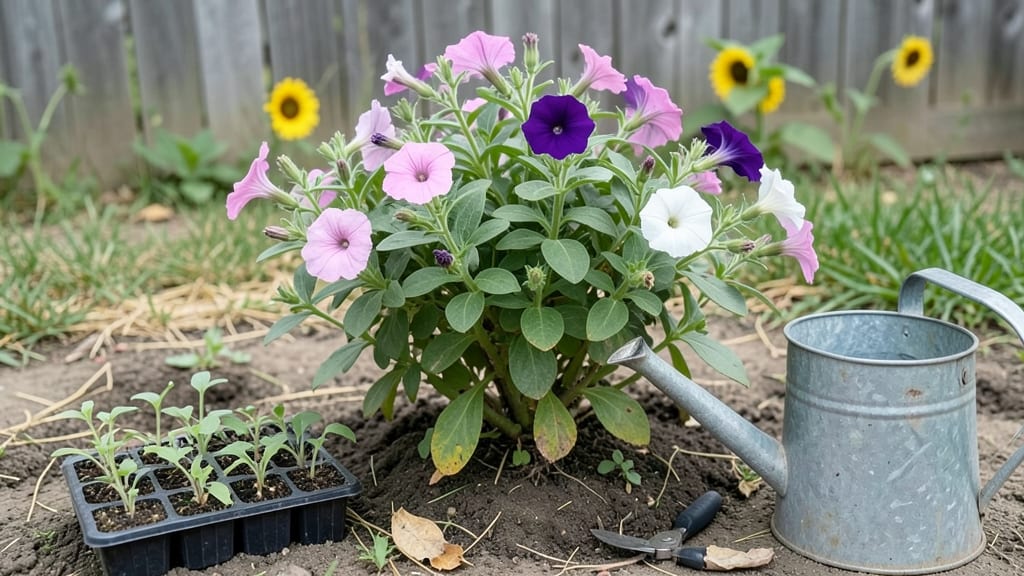
Even as a beginner, these flower gardening tips for beginners would’ve spared my petunias from wilting—and my sanity from the droopy-stem disaster. The secret isn’t fancy tools or rare plants; it’s matching the right flowers to your sunlight, soil, and watering habits.
I’ll show you exactly how to pick foolproof varieties like marigolds and sunflowers that thrive even when you forget to water them for a day.
Start with a 5-gallon bucket of basic potting mix (no fancy compost yet) and a sunny spot that gets at least 6 hours of light daily. Most beginners overcomplicate soil—just loosen the top 6 inches, mix in a handful of slow-release fertilizer, and you’re set.
I learned the hard way that petunias and impatiens need morning sun and afternoon shade, while zinnias and cosmos will happily bake all day. Grab a spray bottle for seedlings and a watering can for established plants—no hoses or timers required.
By week 3, you’ll see bright green leaves pushing through the soil, and by week 6, those first blooms will make your neighbors ask, “What’s your secret?” The key is watering at the base (not the leaves) and snipping dead flowers to encourage more blooms.
Even my black thumb can’t kill these picks—and if you do make a mistake, I’ll tell you how to fix it before it’s too late.
Works for balconies, window boxes, or backyard beds—no green thumb required. Let’s get those flowers growing without the guesswork.
📚 In This Guide
- What you need
- Instructions
- Tips and common mistakes
- Wrapping up and next steps
What you need
- ● Garden soil: 5–10 bags (1–2 cubic feet each) of well-draining potting mix or native soil amended with compost.
- ● Seeds or seedlings: Beginner-friendly options: Marigolds, Sunflowers, Zinnias, or Petunias (3–5 plants/seeds per variety).
- ● Check seed packets for sunlight/soil needs (e.g., "full sun" = 6+ hours/day).
- ● Containers or garden bed: Containers: 5–10 pots (5–10 inches deep) with drainage holes.
- ● Garden bed: 4’x4’ minimum space (or raised bed if soil quality is poor).
- ● Basic tools: Trowel (1 stainless-steel or ergonomic model).
- ● Pruners (bypass type for clean cuts).
- ● Garden gloves (1 pair, breathable fabric).
- ● Watering can (1–2 gallons) or hose with adjustable nozzle.
- ● Fertilizer: Slow-release granular fertilizer (e.g., 10-10-10 NPK ratio) or organic options like composted manure.
- ● Mulch (2–3 inches of shredded bark or straw to retain moisture).
- ● Stakes or cages (for tall flowers like Sunflowers or Tomatoes).
- ● pH test kit (to check soil acidity/alkalinity, ideal range: 6.0–7.0 for most flowers).
- ● Plant labels (reusable markers or stakes to track varieties).
- ● Knee pad or small stool (for comfort during planting!).
Step-by-step instructions for zero-fail flower gardening
Here's how I guide absolute beginners to their first successful blooms—no guesswork, no failures.
Select the Right Location and Sunlight Conditions
Begin by choosing a garden spot that receives at least 6 hours of direct sunlight daily—most flowering plants need this minimum to thrive. Observe the area throughout the day to identify sun patterns. Morning sun with afternoon shade works for some varieties like impatiens, while full sun lovers such as daylilies or coneflowers need unobstructed exposure for the entire day.
If your space only gets partial sun, opt for shade-tolerant flowers like ferns, hostas, or bleeding hearts. Avoid placing plants in spots where they'll be shaded by trees or buildings for more than 4 hours daily, as this often leads to leggy growth and poor flowering. I always mark the sunniest and shadiest spots with stakes to plan my layout accordingly.
Prepare the Soil for Optimal Growth
Test your soil's drainage by digging a 6-inch deep hole and filling it with water. If the water drains within 4-6 hours, your soil is well-draining. If it sits longer, amend it with 2-3 inches of compost or organic matter to improve aeration and fertility. Flowering plants need soil that's rich in nutrients but not waterlogged—soggy roots lead to root rot and stunted growth.
For containers, use a high-quality potting mix designed for flowering plants, as garden soil compacts and suffocates roots. I mix in a slow-release fertilizer at planting time to provide nutrients throughout the growing season. Avoid heavy soils by adding perlite or vermiculite if your native soil is clay-heavy.
Choose Beginner-Friendly Flower Varieties
Start with easy-to-grow annuals and perennials like marigolds, zinnias, petunias, or black-eyed Susans. These tolerate a range of conditions and reward beginners with vibrant blooms. Perennials like daylilies and coneflowers return year after year, while annuals like cosmos and sunflowers provide instant color and attract pollinators.
Check the plant tags for mature size and spacing requirements—crowding leads to competition for nutrients and poor air circulation, which invites diseases. I plant 4-6 inches apart for most annuals and 12-18 inches apart for perennials to allow room for growth. Group plants with similar water and sunlight needs together for easier maintenance.
Plant with Proper Spacing and Depth
Dig holes twice as wide as the root ball but no deeper than the container's depth. Gently remove the plant from its pot and loosen any circling roots with your fingers. Place the plant in the hole so the top of the root ball sits level with the soil surface—burying the stem too deep can cause rot, while planting too shallowly exposes roots to drying out.
Fill the hole with soil and press lightly around the base to eliminate air pockets. Water deeply to settle the soil and encourage roots to spread. I always add a 1-inch layer of mulch around the base (but not touching the stems) to retain moisture and suppress weeds. Mulch also regulates soil temperature, protecting roots during heatwaves.
Water Consistently and Monitor Growth
Water deeply 1-2 times per week, soaking the soil to a depth of 6-8 inches. Shallow watering encourages roots to stay near the surface, making plants more susceptible to drought. Check soil moisture by sticking your finger 1 inch deep—if it feels dry, it's time to water. Overwatering is just as harmful as underwatering, so avoid soggy soil.
Fertilize every 4-6 weeks with a balanced, water-soluble fertilizer (like 10-10-10) to support blooming. You'll notice new leaves and buds forming within 2-3 weeks of consistent care. Deadhead spent blooms regularly to encourage more flowers and prevent self-seeding in annuals. This simple step keeps your garden looking tidy and promotes continuous flowering.
Tips & tricks for perfect flower gardening
These essential techniques will help you avoid common pitfalls and create a thriving garden with minimal stress.
Sunlight Strategy: Use a simple sunlight tracker for a week before planting to map your garden's light patterns. Place stakes at different locations and mark them with colored flags to identify full sun, partial sun, and shade areas. This visual guide prevents guesswork when selecting plant varieties for each spot. I've seen beginners place sun-loving coneflowers in shaded areas where they struggle to bloom—don't make that mistake!
Soil Test Hack: Instead of digging multiple test holes, take a soil sample from several locations and mix them together for a more accurate reading. You can purchase a basic soil test kit for under $20 that reveals pH levels and nutrient deficiencies. For clay-heavy soils, I recommend adding coarse sand or perlite during the 2-3 inches of compost amendment to improve drainage dramatically. This simple step prevents waterlogged roots that can kill plants within weeks.
Plant Selection Shortcut: When choosing varieties, prioritize plants with "disease-resistant" labels on their tags—these handle common garden pests better. I always stock up on marigolds and zinnias first, as they repel pests naturally while providing vibrant color. Group these with your other annuals to create a protective barrier around more vulnerable plants like petunias.
Watering Wisdom: The 1-2 times per week watering schedule assumes average rainfall of 1 inch per week. During dry spells, increase to every other day while maintaining the 6-8 inch soil depth. I use a rain gauge to track precipitation and adjust my watering schedule accordingly. Morning watering is ideal as it reduces evaporation and fungal risks compared to evening watering.
Pro Tips for Flower Gardening Tips For Beginners
- These essential techniques will help you avoid common pitfalls and create a thriving garden with minimal stress.
- Sunlight Strategy: Use a simple sunlight tracker for a week before planting to map your garden's light patterns.
- Soil Test Hack: Instead of digging multiple test holes, take a soil sample from several locations and mix them together for a more accurate reading.
Frequently asked questions
Got questions? You’re not alone—flower gardening can feel overwhelming at first! Here are answers to the most common queries from beginners, so you can dive in with confidence.
What’s the easiest flower to grow for beginners?
Start with marigolds, sunflowers, or zinnias—they’re tough, fast-growing, and thrive in full sun. Impatiens or pansies are great for shadier spots. Avoid fussy flowers like orchids or roses until you’ve mastered basics like watering and soil prep!
How long does it take for flowers to bloom after planting?
Timing varies! Annuals like cosmos may bloom in 6–8 weeks, while perennials like coneflowers can take 60–90 days (or even a full season). Check seed packets for specifics—some need stratification (a cold period) to germinate. Patience pays off!
How often should I water my flower garden?
Water deeply 1–2 times per week (more in extreme heat). Aim for 1 inch of water per week, delivered at the base of plants (not leaves) to prevent disease. Morning watering is best—it reduces evaporation and fungal risks. Use a soaker hose for efficiency!
What do I do if my flowers get bugs or diseases?
First, identify the problem: Yellow leaves? Overwatering or aphids. Holes in petals? Slugs or beetles. Try neem oil or insecticidal soap for pests, and remove affected leaves. For fungal issues (like powdery mildew), improve airflow and spray with a baking soda solution (1 tsp baking soda + 1 quart water + a drop of soap).
Can I grow flowers in containers or just in the ground?
Containers work great for petunias, geraniums, or herbs like lavender. Use pots with drainage holes, a lightweight potting mix, and fertilize regularly. Just ensure containers get at least 6 hours of sunlight (adjust based on the plant’s needs). Bonus: Containers let you move flowers to optimize sunlight!
Do flowers need fertilizer, and how much?
Most flowers benefit from a balanced, slow-release fertilizer (like 10-10-10) at planting, then again mid-season. Organic options like compost or fish emulsion work too. Avoid over-fertilizing—it can burn roots or lead to lush foliage but fewer blooms. Follow package instructions and water after applying.
Wrapping up and next steps
You’ve got everything you need to start your flower gardening journey with confidence! 🌸 Remember, the key to success is patience, preparation, and a little love—your garden will reward you with vibrant blooms in no time.
Don’t let small setbacks discourage you; even seasoned gardeners face challenges, and every mistake is just a lesson in disguise.
Your next step? Pick one plant from this guide, gather your supplies, and get your hands dirty! Start small, track your progress, and soon, you’ll be sharing your stunning flowers with neighbors—or even selling cuttings. Happy gardening! 🌱