
Shrubs
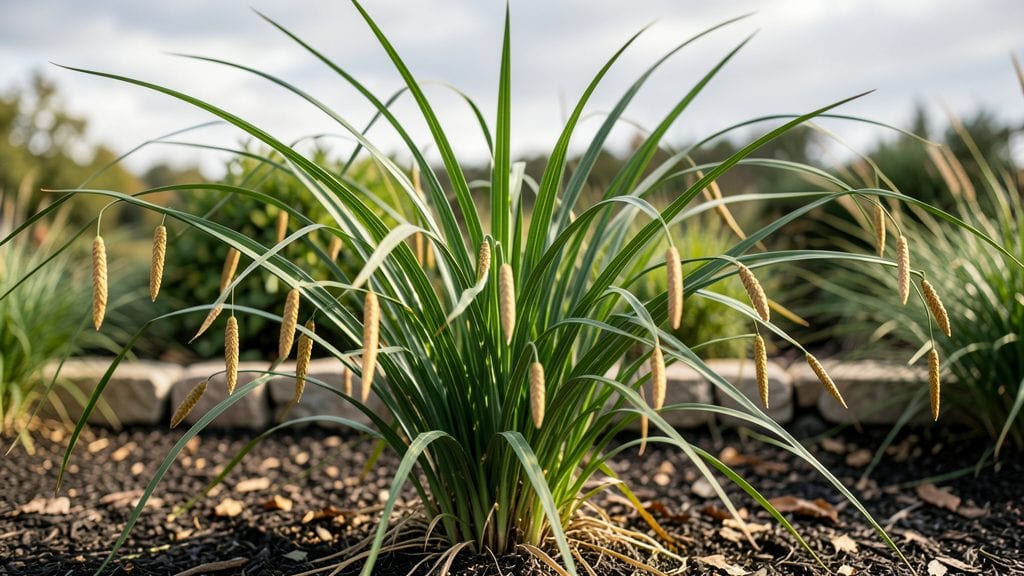
This Florida weave gardening technique crafts a wind-resistant privacy screen that flourishes in your yard’s heat and humidity. I’ve seen how this technique turns bare fences into vibrant, low-maintenance living walls using native shrubs and grasses—no more ugly chain-link or expensive wood panels.
The key is layering plants like muhly grass, coontie palms, and wax myrtle to create texture and movement that feels alive, not static. My first attempt used a mix of these, and within a year, it outgrew the weeds and became the neighborhood’s talk of the town.
You’ll need a sunny or partially shaded spot, some basic gardening tools, and a handful of Florida-friendly plants that handle drought and salt spray. The installation is simpler than it looks: start with a sturdy wire frame or existing fence, then plant in staggered rows to fill gaps quickly.
Most plants establish roots within a few months, and once they take hold, they require minimal watering—just occasional trimming to keep things tidy. The best part? This screen grows with you, adapting to storms and seasons without needing replacements.
Imagine stepping into your backyard and seeing a wall of deep green and purple blooms instead of a plain fence. The Florida weave doesn’t just block views—it softens noise, cools the air, and even supports local wildlife with berries and seeds.
By summer, you’ll have a privacy screen that’s not only functional but also a showstopper, all while doing its part for the environment. Ready to ditch the boring and go native?
This method works for coastal homes, urban lots, or rural properties—just adjust the plant mix based on your soil and sun. For example, if you’re near the water, add salt-tolerant plants like sea oats, while inland areas might lean toward tougher shrubs like yaupon holly.
The beauty of Florida weave is its flexibility: it’s as much about aesthetics as it is about practicality, and once you see it in action, you’ll wonder why you ever settled for anything less.
📚 In This Guide
- What you need
- Instructions
- Tips and common mistakes
- Wrapping up and next steps
What you need
- ● Native Florida shrubs: 10–20 plants (e.g., Myrtle Oak, Wax Myrtle, or Fetterbush—choose 2–3 varieties for texture).
- ● Pruning shears: 1 pair (bypass blades, 6–8" long, sharp for clean cuts).
- ● Gloves: 1 pair (heavy-duty, cut-resistant for thorny shrubs).
- ● Stakes & twine: 20–30 wooden stakes (4–6 ft tall) + 1 spool of twine (for temporary support).
- ● Mulch: 2–3 bags (pine bark or shredded leaves, 2–3" deep).
- ● Watering can or hose: 1 (with adjustable nozzle for gentle watering).
- ● Loppers: 1 pair (for thicker branches, 8–12" reach).
- ● String trimmer: 1 (for shaping edges post-planting).
- ● Soil test kit: 1 (to check pH—Florida’s soil is often acidic!).
- ● Fertilizer: Slow-release, native-plant friendly (e.g., Osmoote or compost).
- ● Decorative edging: 1 roll (stone, metal, or plastic for a polished look).
Step-by-Step instructions for creating a Florida weave privacy screen
Here’s how to build a beautiful, low-maintenance privacy hedge using Florida’s best native shrubs.
Choose the Right Shrubs for Your Site
Start with four native Florida shrubs known for their dense growth and year-round appeal: murder mites, firebush, coffeeberry, and wax myrtle. These plants thrive in Florida’s heat and humidity while providing lush foliage and seasonal blooms. Murder mites offer glossy leaves, firebush brings vibrant red flowers, coffeeberry adds glossy foliage and berries, and wax myrtle delivers fragrant evergreen leaves.
Select shrubs based on your space’s sun exposure. Murder mites and firebush prefer full sun to partial shade, while coffeeberry and wax myrtle tolerate partial shade to full sun. Avoid planting all four in the same spot unless your area has varied light conditions—group them by their sunlight needs for best results.
Prepare the Planting Area
Mark a 4-foot-wide planting line where your privacy screen will go, ensuring it’s at least 3 feet from structures like fences or walls. Native Florida shrubs spread, so give them room to grow without crowding. Dig a trench 12 inches wide and 12 inches deep along the line, loosening the soil to encourage root growth.
Amend the soil with 2 inches of compost mixed into the trench to improve drainage and fertility. Florida’s sandy soil benefits from organic matter, but avoid heavy amendments like peat moss, which can compact. Water the trench deeply before planting to help roots establish quickly.
Plant Shrubs in a Staggered Pattern
Space each shrub 3 to 4 feet apart in the trench, alternating between taller and shorter varieties for a natural, layered look. Place firebush and murder mites toward the back if your screen is against a fence, as they grow taller. Coffeeberry and wax myrtle can fill the front for a fuller base.
Dig holes twice as wide as the root ball but no deeper. Gently remove each shrub from its container, loosen the roots if they’re circling, and place it in the hole so the top of the root ball sits even with the ground. Backfill with native soil, tamping lightly to remove air pockets. Water each plant deeply to settle the soil.
Mulch and Water for Establishment
Spread 3 inches of mulch (like pine straw or shredded bark) over the planting area, keeping it 6 inches away from the stems to prevent rot. Mulch conserves moisture, suppresses weeds, and regulates soil temperature—critical in Florida’s climate. Water the entire screen once a week for the first month, providing 1 inch of water per week to encourage deep root growth.
Watch for signs of stress, like wilting or yellowing leaves, which may indicate underwatering or overwatering. Florida’s humidity means roots need air, so avoid soggy soil. After the first month, reduce watering to every 2 weeks unless there’s a prolonged dry spell, then return to weekly watering.
Prune and Maintain for Density
Prune shrubs lightly in late winter or early spring to shape the screen and encourage bushier growth. Remove any dead, diseased, or crossing branches first, then trim back overgrown stems by one-third to maintain a neat appearance. Avoid heavy pruning in summer, as it stresses plants in Florida’s heat.
Fertilize once a year in early spring with a slow-release, native-friendly fertilizer to support growth without harming Florida’s delicate ecosystems. Monitor for pests like aphids or scale, which occasionally target native shrubs. A strong spray of water or neem oil usually resolves minor infestations before they spread.
Tips & tricks for perfect Florida weave gardening
A few strategic moves will help your Florida Weave Privacy Screen thrive for years. These native shrubs are tough, but they do have preferences that make all the difference.
Sunlight Strategy: When arranging your murder mites and firebush in full sun versus coffeeberry and wax myrtle in partial shade, pay attention to the western exposure. The intense afternoon sun in Florida can scorch leaves—especially in summer. If your site gets harsh afternoon sun, consider moving firebush slightly into shade or providing afternoon shade cloth for the first few weeks after planting.
Soil Preparation Secret: Florida's sandy soil drains too quickly for young roots to establish properly. The 2 inches of compost you mix into the trench isn't just about nutrients—it's about creating a moisture-retaining zone. For even better results, add a handful of perlite to the compost mix. This creates tiny air pockets that prevent compaction while helping water penetrate deeper. Think of it as giving your roots a sponge rather than a dry towel.
Planting Depth Check: Getting the planting depth right in Step 3 is crucial. The top of the root ball should sit even with the ground, but don't bury it too deeply—this can suffocate the stems. Here's a trick: After placing each plant, gently press the surrounding soil. If you can see the root flare (where roots spread out from the stem), you're on track. This flare should be just above soil level, not buried.
Watering Wisdom: That first month of weekly watering is non-negotiable, but how you water matters just as much as how often. Water deeply but slowly—aim for the soil, not the leaves. Use a soaker hose or watering wand to deliver water right at the root zone. Early morning watering (between 6-9 AM) prevents fungal issues from overnight moisture. And watch for puddles—they're a sign you're overwatering in our humid climate.
Pro Tips for Florida Weave Gardening
- A few strategic moves will help your Florida Weave Privacy Screen thrive for years.
- Sunlight Strategy: When arranging your murder mites and firebush in full sun versus coffeeberry and wax myrtle in partial shade, pay attention to the western exposure.
- Soil Preparation Secret: Florida's sandy soil drains too quickly for young roots to establish properly.
Frequently asked questions
Got questions about Florida Weave gardening?
Here are some of the most common ones—plus quick answers to help you get started with confidence!
What’s the best time of year to plant Florida Weave shrubs in Florida?
Plant your Myrsine or Ilex shrubs in early spring (February–April) or fall (September–November) for ideal root establishment. Avoid extreme summer heat or winter freezes—both can stress young plants. Pro tip: Water deeply after planting and mulch to retain moisture!
How much sun do Florida Weave shrubs need?
These shrubs thrive in partial shade to full sun (6+ hours/day). In Florida’s intense heat, morning sun + afternoon shade is perfect. Too much direct sun? Leaves may scorch. Too little? Growth slows. Test your spot: If it’s shady under a tree canopy, it’s likely a good match!
Do I need to prune Florida Weave shrubs, and when?
Light pruning in late winter (January–February) keeps them dense and tidy. Trim 1/3 of new growth to encourage bushiness. Avoid heavy pruning—these shrubs grow slowly! Warning: Don’t over-prune; it can stress the plant and reduce privacy benefits.
Are Florida Weave shrubs pest- or disease-prone?
Generally low-maintenance, but watch for scale insects or fungal leaf spot in humid Florida conditions. Solution: Spray with neem oil or fungicide if needed. Prevention tip: Ensure good airflow and avoid overhead watering to keep foliage dry.
Can I mix Florida Weave with other plants for a layered hedge?
Pair with native ferns, muhly grass, or dwarf palmettos for texture and height variation. Just ensure companions have similar water and sun needs. Design hack: Use taller shrubs (like Ilex) at the back and shorter ones (like Myrsine) in front for a lush, dimensional look!
Wrapping up and next steps
Florida Weave gardening is your ticket to a privacy haven that thrives year-round with minimal fuss! By embracing native shrubs like Murraya paniculata and Myrsine, you’re not just adding greenery—you’re creating a low-maintenance, eco-friendly solution that supports local wildlife.
The best part? Once established, these shrubs grow fast, offering both beauty and functionality with little extra effort.
Ready to transform your space? Start small—plant a few sections this season and watch your privacy screen flourish! Grab your tools, roll up your sleeves, and let nature do the rest. 🌿✨