
Tools
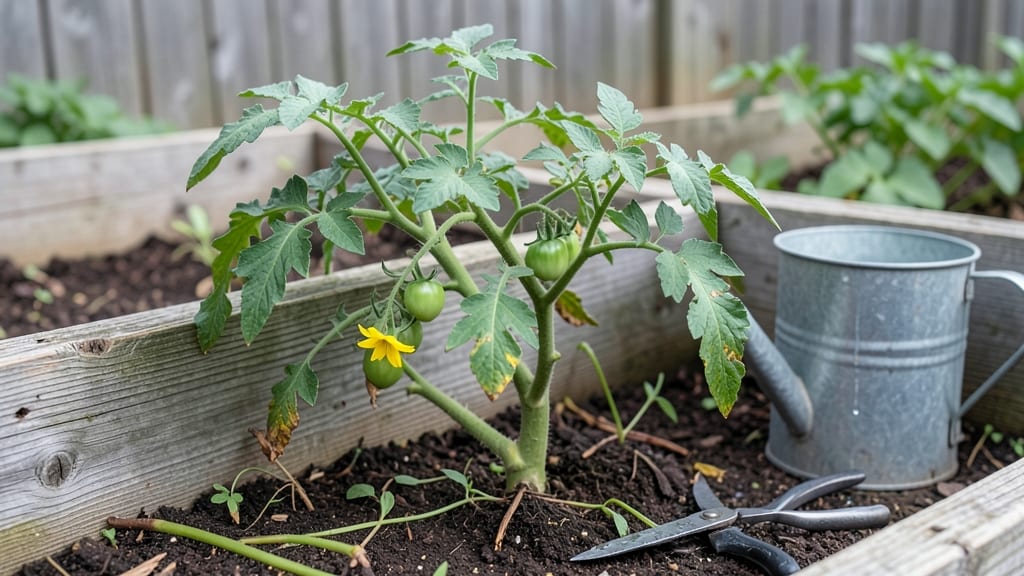
Understanding these gardening principles starts with recognizing how tiny soil organisms act as nature's fertilizer factories. 🌱 The right microbial balance can turn poor soil into nutrient-rich ground within months, while companion planting—like pairing tomatoes with basil—creates a natural pest-repellent system.
What's fascinating is how sunlight duration directly impacts flavor and yield; leafy greens often do well with partial shade, while fruiting plants demand full sun exposure. My biggest advice? Start with a soil test to identify pH imbalances—many plants struggle when their root zones aren't properly acidic or alkaline.
💡 In This Article
- How Soil Microbes and Plant Biology Shape Gardening Success
- Essential Gardening Tools and Techniques for Beginners
How soil microbes and plant biology shape gardening success
Beneath every thriving plant lies a hidden ecosystem where microscopic allies work tirelessly. Mycorrhizal fungi form symbiotic relationships with roots, extending their reach up to 100 times the plant's own root system to access water and nutrients.
These fungal networks create a "Wood Wide Web" that shares nutrients between plants—similar to how social insects cooperate. 🌱 The fungi receive sugars from the plant while providing phosphorus and nitrogen, which are often scarce in soil.
This partnership can increase nutrient absorption by 20-40%, explaining why plants in healthy microbial soils grow faster and resist drought better.
The nitrogen cycle is another biological marvel where bacteria like Rhizobium convert atmospheric nitrogen (N₂) into plant-usable forms. These bacteria live in root nodules of legumes (beans, peas) and fix 50-100 pounds of nitrogen per acre annually—enough to replace synthetic fertilizers.
Meanwhile, decomposer microbes break down organic matter, releasing essential minerals like potassium and magnesium. The pH level of your soil (measured on a scale from 0-14) directly affects microbial activity: most vegetables prefer 6.0-7.0, while blueberries thrive in 4.5-5.5 acidic conditions.
A simple soil test reveals these hidden imbalances that often go unnoticed.
Plant hormones like auxins orchestrate growth patterns you can observe daily. Auxins produced in shoot tips inhibit lateral bud growth, creating the vertical growth habit we expect. When you prune a plant, you remove these hormone sources, triggering bushier growth—a technique gardeners use to maximize yield.
Light quality matters too: blue light (400-500nm wavelength) promotes leafy growth, while red light (600-700nm) encourages flowering. This is why grow lights often use full-spectrum bulbs that mimic natural sunlight patterns. 💡 Understanding these hormonal signals helps explain why some plants grow leggy or fail to flower despite adequate sunlight.
Root zone dynamics reveal why overwatering destroys more plants than drought. Healthy roots need oxygen to respire—waterlogged soil creates anaerobic conditions that suffocate roots within 24-48 hours. The ideal soil should feel like a damp sponge, not a soggy rag.
Mulch plays a crucial role here by maintaining this balance: organic mulch (straw, wood chips) breaks down slowly, adding nutrients while regulating temperature swings. In hot climates, mulch can keep root zones 5-10°F cooler than bare soil, while in cold regions it insulates against frost.
This temperature regulation explains why mulched plants often survive winter better.
Consider the tomato plant's remarkable adaptation: its roots exude sugars to feed beneficial microbes while receiving protection from harmful pathogens. This mutualism extends to pest control—marigolds release compounds that repel nematodes, while garlic's sulfur compounds deter fungal infections.
The key factor is plant selection: choosing varieties bred for your climate zone (like heat-tolerant 'Solar Fire' tomatoes) ensures biological compatibility with local microbial communities. 🌿 What most beginners miss is that healthy soil isn't just about adding compost—it's about creating the right conditions for these microscopic partnerships to thrive naturally.