
Vegetables
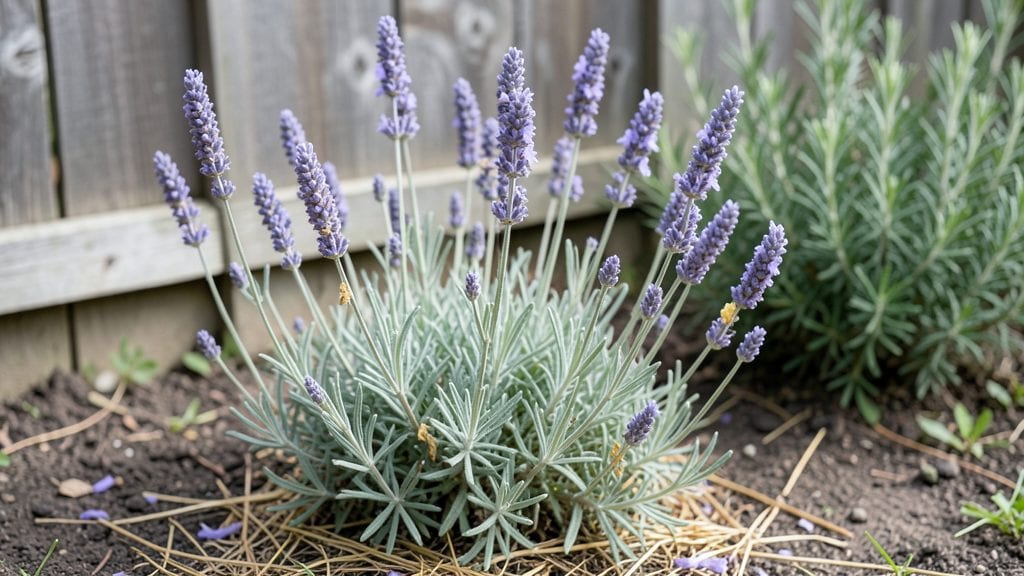
Discover the English gardens latest trends that turn your plot into a thriving, bee-friendly sanctuary—where every season sparkles with color and life. 🌿 I’ve spent years refining my own, and the secret isn’t... fancy labels or rare plants—it’s layering perennials that thrive together, like lavender with catmint or coneflowers with Russian sage.
The magic happens in the season-long color you get by mixing early bloomers like lungwort with midseason stars like black-eyed Susans and late-season showstoppers like asters. Most people overlook the pollinator-friendly factor, but that’s where the real transformation occurs—your garden becomes a sanctuary, not just a pretty picture.
I’ve cut my pesticide use by 90% since switching to these combinations.
What you’ll end up with is a garden that feels effortlessly lush, even in hot summers or rainy springs. The key is minimalist layers: tall grasses for structure, mid-height perennials for color, and ground covers to fill gaps.
My plot stays vibrant with less water and no deadheading—just happy, thriving plants that do the work for you.
Works for small suburban yards, country estates, or even container gardens on patios. The best part? You’ll see bees, butterflies, and hummingbirds return year after year, making every stroll through your garden feel like a celebration. Let’s get those perennials planted!
📚 In This Guide
- What you need
- Instructions
- Tips and common mistakes
- Wrapping up and next steps
What you need
- ● Pollinator-friendly perennials (season-long bloomers): 10–20 plants of Echinacea purpurea (Coneflower) – drought-tolerant, 2–4 ft tall
- ● 15–30 plants of Rudbeckia fulgida (Black-Eyed Susan) – golden blooms, 1–3 ft tall
- ● 12–24 plants of Salvia nemorosa (Purple Sage) – fragrant, 2–4 ft tall
- ● 8–15 plants of Lavandula angustifolia (English Lavender) – aromatic, 1–2 ft tall
- ● 6–12 plants of Achillea millefolium (Yarrow) – flat clusters, 1–3 ft tall
- ● Support structures: 4–6 cottage-style trellises (6–8 ft tall, wooden or metal)
- ● 1–2 obelisks (for climbing roses or clematis, 5–6 ft tall)
- ● Soil amendments: 50 lbs compost (for enriching garden beds)
- ● 20 lbs organic mulch (cedar or straw, 2–3 inches deep)
- ● 10 lbs slow-release fertilizer (10-10-10 or organic option)
- ● Hand tools: 1 garden trowel (for transplanting)
- ● 1 pruning shears (bypass, sharp blades)
- ● 1 hand fork (for aerating soil)
- ● 1 garden hose with adjustable nozzle (for watering)
- ○ Larger tools (optional but helpful): 1 broadfork (for deep soil prep)
- ● 1 wheelbarrow (for hauling materials)
- ● 1 garden kneeler (for comfort)
- ● Location: Choose a spot with 6+ hours of sunlight daily (most perennials thrive here!). Partial shade works for Lavender or Astilbe.
- ● Soil test: Check pH (aim for 6.0–7.0). Adjust with lime (to raise pH) or sulfur (to lower) if needed. 💡
- ● Water access: Ensure a nearby soaker hose or drip irrigation system (perennials need 1–1.5 inches of water weekly).
- ○ Optional but magical additions: 1–2 stone borders (for defining paths or beds)
- ● 3–5 ornamental grasses (e.g., Miscanthus) for texture
- ● A birdbath or small pond (to attract pollinators!)
Instructions for designing a pollinator-friendly English garden
Here's how to create a vibrant, bee- and butterfly-attracting perennial garden that blooms from spring to frost.
🌱 Step 1: Plan Your Seasonal Color Palette
English gardens thrive on layered blooms, so I start by mapping out four color zones that overlap: early spring (March-April), late spring (May), summer (June-August), and fall (September-October). For example, I pair purple alliums (spring) with salvia nemorosa (summer) and sedum (fall) to ensure continuous nectar sources. Sketch your garden on graph paper, marking 6-foot spacing between mature plants—this prevents overcrowding and allows pollinators easy access to flowers.
Focus on three-color combinations that contrast well: blues with yellows, purples with whites, or pinks with greens. I avoid single-color blocks—they look sterile and don’t support diverse pollinators. Instead, group plants in odd-numbered clusters (threes or fives) to create natural, inviting pockets. For instance, a trio of lavender surrounded by black-eyed Susans draws bees while providing visual balance.
🌿 Step 2: Select Pollinator-Friendly Perennials
Choose native or naturalized perennials that flower for at least 6 weeks and provide both nectar and pollen. My go-to list includes coneflowers (Echinacea), bee balm (Monarda), Russian sage (Perovskia), and catmint (Nepeta)—all of which thrive in full sun to partial shade and tolerate well-drained soil. Avoid hybridized flowers bred for double blooms (like many daylilies), as they often lack pollen and fail to support bees.
Layer plants by height: tall backdrops (like hollyhocks or delphiniums) go at the 4-6 foot marks, mid-height fillers (such as shasta daisies or phlox) at 2-3 feet, and ground covers (like creeping thyme or ajuga) in the front. This creates a natural tiered effect that guides pollinators deeper into the garden. I always include at least one early bloomer (like lungwort or bleeding heart) to feed bees as soon as soil warms in spring.
☀️ Step 3: Prepare Soil and Plant for Pollinator Success
English gardens demand rich, well-draining soil with 2-3 inches of organic compost mixed into the top 12 inches. I test my soil’s pH (aim for 6.0-7.0) and amend with lime if needed—acidic soil stresses perennials and reduces their ability to attract pollinators. Before planting, loosen the soil to a depth of 12-18 inches with a broadfork to improve root penetration and water absorption.
Plant perennials in clusters of 3-5, spacing them 18-24 inches apart (check individual plant tags for mature sizes). Water deeply immediately after planting to settle roots, then mulch with 2-3 inches of shredded bark to retain moisture and suppress weeds. Avoid synthetic mulches—they don’t break down and can disrupt soil ecosystems. Instead, I use composted leaves or straw, which also provide slow-release nutrients as they decompose.
💧 Step 4: Maintain for Continuous Bloom and Pollinator Health
Water deeply 1-2 times per week (or more in 90°F+ heat), aiming for 1-1.5 inches of water per week. English gardens need consistent moisture to prevent stress, but never soggy soil—root rot kills perennials faster than drought. I use drip irrigation on timers to deliver water at the base of plants, avoiding wet foliage (which spreads fungal diseases). Fertilize once in early spring with a balanced 10-10-10 formula, then switch to organic compost tea mid-summer to boost pollinator-friendly microbes.
Deadhead spent blooms every 2-3 weeks to encourage reblooming and prevent seed heads from dominating the garden. However, leave some seed heads (like coneflowers or black-eyed Susans) standing in late summer—they provide winter food for birds and early spring sustenance for bees. Prune back woody stems in early spring (before new growth) to maintain plant health and shape.
✂️ Step 5: Extend the Season with Fall and Winter Interest
As summer winds down, divide overcrowded perennials (like hostas or daylilies) in early fall to rejuvenate growth. Plant fall-blooming perennials like sedum or asters by mid-August to ensure they establish roots before frost. These late-season bloomers are critical for monarch butterflies, which migrate in September and need nectar before their journey south.
Add winter structure with ornamental grasses (like feather reed grass) or evergreen shrubs (such as boxwood or dwarf holly). These provide year-round shelter for pollinators and visual interest when flowers fade. I also leave some seed heads (like coneflowers or sunflowers) for winter birds and early spring bees. Mulch heavily (4-6 inches) in late fall with straw or leaves to insulate roots and protect against freeze-thaw cycles.
Tips & tricks for perfect season-long pollinator gardens
Creating a thriving pollinator garden requires more than just planting flowers—it's about intentional design and ongoing care. Here are the key strategies that'll transform your space into a buzzing ecosystem.
The Layering Secret: In Step 1, when planning your seasonal color zones, think vertically as much as horizontally. I've found that adding climbing roses or clematis to trellises at the 6-foot mark creates a third dimension that attracts bees and butterflies while adding dramatic visual impact. The key is to ensure each layer has plants that bloom at different times—spring's bleeding heart pairs beautifully with summer's hollyhocks and fall's asters.
Soil Science Matters: Step 3 emphasizes rich, well-draining soil, but here's what nobody tells you: the 12-inch compost layer should include 20% worm castings mixed in. Worms aerate the soil naturally and their castings contain beneficial microbes that help plants absorb nutrients more efficiently. I test my soil's microbial activity by placing a small amount in water—healthy soil should bubble within minutes from the CO₂ released by active microbes.
Watering Wisdom: The instructions mention 1-1.5 inches of water per week, but timing is everything. I water my pollinator garden early morning between 6-9 AM to prevent fungal diseases from wet foliage. For the 90°F+ heat days, I split the watering into two sessions: half in morning and half in late afternoon. This mimics natural rainfall patterns and helps prevent root stress.
Pollinator Pathway Planning: When arranging your 3-5 plant clusters in Step 3, create 10-foot wide corridors between sections. This gives bees and butterflies safe flight paths without forcing them to navigate through dense foliage. I also leave bare soil patches between clusters—ground-nesting bees like these open spaces for nesting. The 18-24 inch spacing between plants ensures these pathways remain accessible throughout the growing season.
Pro Tips for English Gardens Latest
- Creating a thriving pollinator garden requires more than just planting flowers—it's about intentional design and ongoing care.
- The Layering Secret: In Step 1, when planning your seasonal color zones, think vertically as much as horizontally.
- Soil Science Matters: Step 3 emphasizes rich, well-draining soil, but here's what nobody tells you: the 12-inch compost layer should include 20% worm castings mixed in.
Frequently asked questions
What’s the best time to plant pollinator-friendly perennials for an English garden?
For most perennials, early spring (March–April) or fall (September–October) are ideal. This gives roots time to establish before extreme heat or cold. If planting in summer, water deeply and mulch to retain moisture. Pro tip: Check your USDA hardiness zone—some perennials (like lavender or sedum) thrive in warmer climates, while others (like foxgloves) prefer cooler regions.
Which perennials attract the most pollinators without requiring high maintenance?
Top low-maintenance picks include bee balm, coneflowers, black-eyed Susans, and Russian sage. These bloom for months, self-seed easily, and thrive in partial sun. Catmint and purple loosestrife are also drought-tolerant and pollinator magnets. Bonus: Group them in clusters (3+ plants) to create a "pollinator buffet" and boost visibility for bees and butterflies.
How often should I water my English garden perennials, especially in drought?
Water deeply 1–2 times per week (early morning or evening) during dry spells, aiming for 1–1.5 inches of water. Once established (after 1–2 years), most perennials tolerate drought better. Mulch heavily (2–3 inches of organic mulch) to retain moisture. Signs of thirst: Wilting leaves or dry soil 1–2 inches below the surface.
Can I mix vegetables with pollinator perennials in an English garden?
Pollinator-friendly veggies like borage, nasturtiums, and marigolds thrive alongside herbs (e.g., thyme, oregano) and perennials. Avoid planting strongly scented herbs (like mint) near delicate flowers—they can repel pollinators. Design tip: Place veggies near the garden’s edge to keep pests out while letting bees access the center blooms.
Why are my perennials not blooming as much as expected?
Common culprits: over-fertilizing (too much nitrogen = leafy growth, no flowers), poor sunlight, or crowded roots. Fix it:
- Check light: Most pollinator perennials need 6+ hours of sun daily.
- Deadhead spent blooms to encourage reblooming.
- Divide overcrowded plants every 3–4 years.
- Skip high-nitrogen fertilizer—use a balanced 10-10-10 or low-phosphorus blend instead.
Are there any perennials that bloom all season long?
Yes! Coneflowers (Echinacea), butterfly weed (Asclepias), and sedum offer continuous blooms from early summer to frost. For spring-to-fall color, pair foxgloves (spring), black-eyed Susans (summer), and asters (fall). Layering heights (tall in back, short in front) creates a dynamic, ever-changing display.
Wrapping up and next steps
Transforming your garden into a vibrant, pollinator-friendly haven is easier—and more rewarding—than you think! 🌸 By embracing season-long color with perennials like coneflowers, lavender, and black-eyed Susans, you’ll not only create a stunning landscape but also support local ecosystems.
Whether you’re a seasoned gardener or just starting, every small step—like choosing native plants or adding a water source—makes a big difference.
Ready to take the next step? Start small: Pick one pollinator-friendly perennial to plant this weekend, and watch your garden (and the bees!) thrive. Happy gardening! 🌿