Blooming
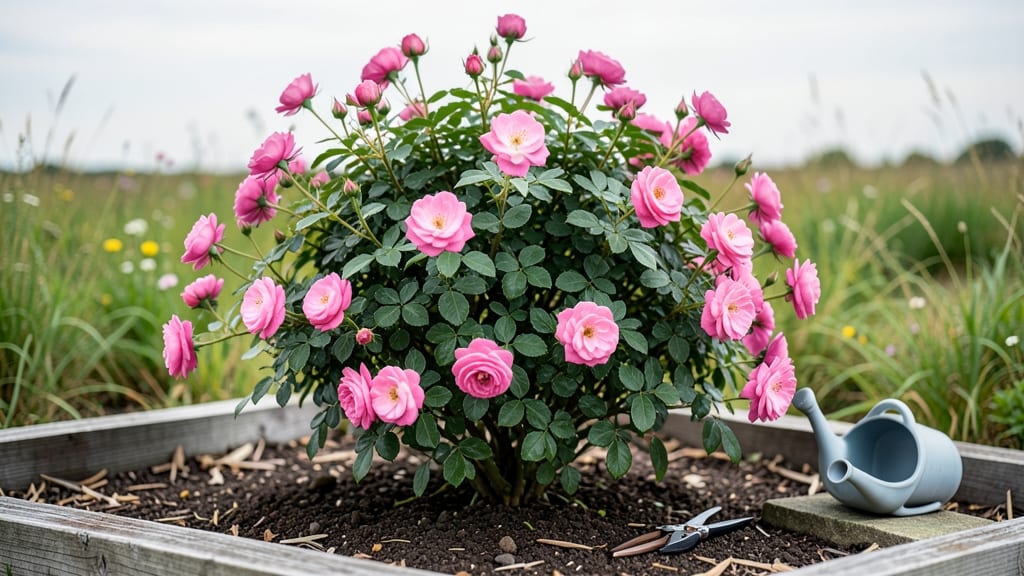
Creating a garden where blooms and fragrance dance together all season is my happy place. 🌸 The key isn't just picking pretty flowers—it's layering plants so the show never stops, from spring's first daffodils to winter's evergreen structure.
I learned this the hard way after my first garden fizzled out by July, leaving me with a sad, brown patch where color should've been.
Start with a color palette that excites you—maybe soft blues and whites for a dreamy cottage feel or bold reds and oranges for a fiery statement. Then add fragrant foliage like lavender, rosemary, or even lemon-scented thyme that doubles as a pest repellent.
The secret is mixing heights: tall grasses for drama, mid-level shrubs for structure, and low-growing annuals to spill over edges.
By mid-summer, you'll have a garden that smells like a spa and looks like a postcard—velvety petunias spilling over trellises, sweet alyssum attracting bees, and silver-blue salvia adding texture.
The best part? Every season brings something new: spring bulbs, summer roses, and fall asters, all while the herbs and perennials keep the fragrance going.
Works for small balconies or big backyards—just scale the plant sizes. The first year is about learning what thrives in your space, and by year two, you'll have a foolproof color wheel that keeps your garden lively without constant work. Let's get designing!
📚 In This Guide
- What you need
- Instructions
- Tips and common mistakes
- Wrapping up and next steps
What you need
- ● Soil: 10-15 bags (50 lbs each) of high-quality garden soil or potting mix (look for organic, well-draining blends)
- ● Compost: 5-10 lbs of aged compost or worm castings to enrich soil
- ● Mulch: 10-15 lbs of organic mulch (straw, bark, or shredded leaves) to retain moisture
- ● Plants: Perennials (for structure): 3-5 lavender, rosemary, or salvia plants (3-5 gallons each)
- ● Annuals (for color): 10-15 pansies, petunias, or marigolds (packets or 6-inch pots)
- ● Foliage layers: 3-5 heuchera (coral bells) or hostas (for texture)
- ● Fragrant options: 2-3 jasmine vines or dwarf gardenias (for scent)
- ● Fertilizer: Slow-release granular fertilizer (10-10-10 ratio) or organic plant food
- ● Basic tools: 1 garden trowel
- ● 1 pruning shears
- ● 1 hand fork or garden fork
- ● 1 watering can (3+ gallons) or hose with spray nozzle
- ○ Optional (but helpful): 1 wheelbarrow (for hauling soil/mulch)
- ● 1 gloves (gardening or work gloves)
- ● 1 knee pads (for comfort)
- ● 1 soil pH tester (to check soil health)
- ● Sunlight: 6+ hours of direct sunlight (adjust plant choices for shadier spots)
- ● Space: At least 4’x4’ area (scalable for larger gardens)
- ● Water source: Easy access to a garden hose or watering system
- ● Knowledge: Basic understanding of plant spacing and seasonal care (or willingness to learn!)
How to design a season-long garden with fragrant foliage and continuous blooms
This layered approach creates a garden that thrives from spring to frost, blending textures and scents for year-round beauty.
🌱 Step 1: Plan Your Fragrant Foliage Foundation
Start with evergreen perennials that provide scent and structure throughout the year. I recommend lavender for its silvery foliage and calming fragrance, and rosemary for its pine-like aroma and drought tolerance. Place these at the back of your design where they can anchor the space visually. Their woody stems and aromatic leaves create a lush backdrop that softens the appearance of seasonal blooms.
Add dwarf boxwood or Japanese holly for dense, glossy foliage that contrasts beautifully with flowering plants. These evergreens maintain their color even in winter, ensuring your garden never looks bare. Position them slightly lower than the lavender and rosemary to create depth. Remember, foliage plants should occupy about 40-50% of your garden space—this ensures they dominate the visual and olfactory experience year-round.
☀️ Step 2: Layer in Seasonal Bloomers for Continuous Color
For spring interest, incorporate bleeding heart and lungwort, both of which thrive in partial shade and offer delicate blooms that contrast with the bold evergreens. These plants naturalize beautifully, filling in gaps as they spread. In mid-summer, add black-eyed Susan and coneflowers for vibrant yellow and purple blooms that attract pollinators. Their long stems and daisy-like flowers will reach above the foliage layer, creating vertical interest.
For fall and early winter color, include sedum varieties like 'Autumn Joy' and Russian sage. These plants bloom late in the season and often carry their flowers through frost. Their deep reds and purples provide a striking contrast to the evergreen foliage. Space these plants about 18-24 inches apart to allow for their mature spread while maintaining an airy, layered look.
💧 Step 3: Incorporate Fragrant Annuals for Seasonal Accents
Use annuals to fill gaps and extend the blooming season. Plant sweet alyssum in early spring for its delicate white or purple flowers and honey-like scent. This low-growing plant cascades beautifully over edges and pairs well with taller perennials. In summer, add night-scented stock or jasmine near seating areas where their intoxicating evening fragrance can be fully enjoyed. These annuals should occupy about 20-30% of your garden space, filling in where perennials are dormant or sparse.
Don't overlook ground covers like creeping thyme or lamb's ear. These plants provide texture, suppress weeds, and often have subtle fragrances when brushed against. Plant them in the front layer where they can be appreciated up close. Water them consistently for the first 2-3 weeks until they establish roots, then reduce watering to once weekly or when the top inch of soil feels dry.
✂️ Step 4: Maintain Layers Through Pruning and Deadheading
Prune early bloomers like bleeding heart after their flowers fade to maintain shape and encourage new growth. For perennials like coneflowers and sedum, cut back dead foliage in late winter or early spring to make room for new shoots. This ensures a clean, tidy appearance and prevents disease. I always use clean, sharp pruners to avoid damaging stems, and I sanitize them with rubbing alcohol between cuts to prevent the spread of pathogens.
Deadhead spent blooms regularly to prolong flowering and encourage more blooms. For example, pinching off faded black-eyed Susan flowers prompts the plant to produce new buds. This is especially important for annuals like sweet alyssum, which will rebloom if you remove old flowers consistently. Mulch around plants with 2-3 inches of organic mulch to retain moisture, suppress weeds, and regulate soil temperature throughout the seasons.
🪴 Step 5: Adjust for Seasonal Transitions
As seasons change, swap out annuals to keep your garden vibrant. Replace spring sweet alyssum with summer marigolds or zinnia for bold colors and pest-repelling properties. In fall, add chrysanthemums or pansies for cooler weather blooms. This rotating approach ensures your garden remains dynamic and fragrant throughout the year without overwhelming any single season.
Monitor foliage health by checking for pests like aphids or spider mites, which thrive in dry conditions. A strong blast of water from the hose can dislodge many pests, and introducing beneficial insects like ladybugs helps control populations naturally. If you notice yellowing leaves, it may indicate overwatering or poor drainage—adjust your watering schedule to every 5-7 days once plants are established, allowing the top 2 inches of soil to dry out between waterings.
Tips & tricks for perfect season-long garden design
A few strategic moves will transform your garden from seasonal to year-round beauty—here's how to avoid common pitfalls while maximizing fragrance and visual impact.
Plant Placement Matters: In Step 1, when positioning your evergreen foundation like lavender and rosemary, place them where they'll receive at least 6 hours of sunlight daily—this ensures their aromatic oils develop fully. I've learned the hard way that partial shade can make rosemary lose its piney scent. For the 40-50% foliage allocation, consider using dwarf varieties of boxwood near pathways where you'll brush against them, releasing their subtle fragrance as you walk by.
Layering Height for Visual Drama: When adding your seasonal bloomers in Step 2, think vertically. Taller plants like black-eyed Susan (3-4 feet) should go in the back, medium-height coneflowers (2-3 feet) in the middle, and lower plants like lungwort (1-2 feet) in front. This creates natural depth and prevents smaller plants from getting lost. I always sketch a simple elevation drawing before planting—it saves time rearranging later.
Seasonal Swap Strategy: For the annual transitions in Step 5, create a "swap schedule" on your calendar. Mark when to remove spring sweet alyssum (late May) and when to plant marigolds (mid-June). I keep a small inventory of young plants at a local nursery so I can make quick substitutions. This rotating approach prevents any season from looking bare while keeping maintenance manageable.
Fragrance Zoning: Designate specific areas for scent intensity. Place strongly fragrant plants like night-scented stock and jasmine near seating areas or garden entrances where their aromas will be most enjoyed. For subtle scents like creeping thyme, incorporate them into ground covers where you'll brush against them casually. This creates a sensory journey through your garden rather than overwhelming all spaces equally.
Pro Tips for Blooms And Gardens
- A few strategic moves will transform your garden from seasonal to year-round beauty—here's how to avoid common pitfalls while maximizing fragrance and visual impact.
- I've learned the hard way that partial shade can make rosemary lose its piney scent.
- Layering Height for Visual Drama: When adding your seasonal bloomers in Step 2, think vertically.
Frequently asked questions
Got questions about creating a stunning garden with blooms and fragrant foliage? Here are some of the most common ones—and their answers!
How do I choose plants that bloom all season long?
Mix perennials (like coneflowers or lavender) with annuals (such as petunias or zinnias) for continuous color. Layer bulbs (daffodils, tulips) for early spring, then add summer-blooming shrubs (hydrangeas, roses) and fall favorites (mums, asters). Pro tip: Check plant tags for bloom times and sunlight needs!
What’s the best way to layer fragrant foliage in a garden?
Start with tall, fragrant grasses (like lemongrass or fountain grass) at the back, then add mid-height shrubs (rosemary, boxwood) and low-growing herbs (thyme, mint) near the front. Bonus: Place fragrant plants near seating areas or walkways for a sensory experience!
When is the ideal time to plant for year-round blooms?
Spring (after the last frost) and early fall (6–8 weeks before winter) are best for perennials and bulbs. Annuals can go in after soil warms in spring. Remember: Cool-season plants (like pansies) thrive in early spring or fall!
How do I keep my garden smelling fresh all season?
Deadhead spent blooms regularly, mulch to retain moisture, and prune overgrown foliage. Avoid overwatering (which can cause rot) and fertilize lightly. Quick fix: Sprinkle crushed herbs (like basil or mint) around plants for a natural fragrance boost!
What are some low-maintenance alternatives to high-upkeep blooms?
Try drought-tolerant plants like succulents, sedum, or ornamental grasses. Native plants (e.g., black-eyed Susans, bee balm) need less water and attract pollinators. Win-win: They’re eco-friendly and easy on you!
Why aren’t my fragrant plants blooming as expected?
Check sunlight (some need full sun, others partial shade), water (too much or too little can stress plants), and soil (amend with compost if needed). Over-fertilizing can also reduce blooms—focus on balanced, slow-release fertilizer!
Wrapping up and next steps
Creating a season-long garden oasis with fragrant foliage and vibrant blooms is all about balance, patience, and a little creativity! 🌸 By layering textures, colors, and scents—plus selecting the right plants for your climate—you’ll craft a space that thrives year-round.
Whether you’re a seasoned gardener or just starting, every small step brings you closer to a garden that feels like a living work of art.
Now that you’re armed with tips and tricks, roll up your sleeves and get planting! Start small with a single fragrant shrub or a bold annual, then expand as your confidence—and your garden—grows. Happy gardening! 🌿