
Fertilization
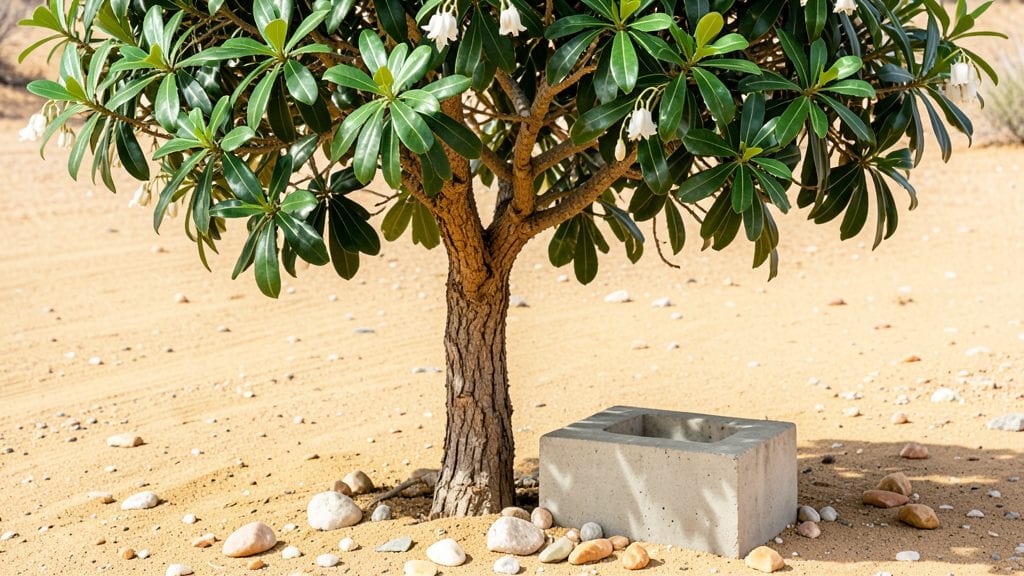
The Dubai Miracle Garden isn’t just a garden—it’s a year-round explosion of color that defies the desert’s harsh reality. ✨ What started as a small experiment in 2006 now covers 72 acres of impossible beauty, proving that even in 120°F heat, flowers can thrive with the right science and passion.
At its heart, the garden’s magic lies in hydroponic systems, climate-controlled greenhouses, and drought-resistant hybrids that bloom continuously. Every section tells a story—from the 12 million flowers in peak season to the seasonal themes that shift with the calendar, like cherry blossoms in winter or sunflowers in summer.
The key? Precision watering, soil-free growing, and hand-picked varieties that love heat.
You don’t need a desert climate to steal its secrets. Start small with heat-tolerant annuals like bougainvillea or lantana, pair them with drip irrigation, and let the colors pop against gravel or succulent borders. The result? A garden that feels alive all year, no matter where you live.
For those dreaming bigger, the Miracle Garden’s lesson is clear: limitations are just creative challenges. Whether you’re designing a rooftop oasis or a backyard retreat, the principles—water efficiency, bold plant choices, and seasonal storytelling—apply everywhere. The desert taught us flowers can outlast anything. Now it’s your turn.
📚 In This Guide
- What you need
- Instructions
- Tips and common mistakes
- Wrapping up and next steps
What you need
- ● Plants: 10-15 varieties of drought-resistant, flowering plants (e.g., Bougainvillea, Hibiscus, Desert Rose, Oleander). Aim for 3-5 plants per variety.
- ● Soil: 50+ bags (20 kg each) of well-draining cactus/succulent mix or sandy loam soil enriched with perlite.
- ● Fertilizer: 10 kg of slow-release granular fertilizer (10-10-10 NPK ratio).
- ● 5 liters of liquid seaweed fertilizer (for root boost).
- ● Mulch: 20 kg of gravel or decomposed granite (to retain moisture and regulate temperature).
- ● Hand Tools: 1 x garden trowel (for transplanting).
- ● 1 x pruning shears (sterilized).
- ● 1 x long-handled shovel (for heavy soil).
- ● Irrigation: 1 x drip irrigation kit (with timers for 2-3 zones).
- ● 50+ ft of soaker hoses (for deep root hydration).
- ● Safety: 1 x pair of gloves, 1 x sun hat, and sunscreen (SPF 50+).
- ● 📊 Climate Prep: Choose a shaded or partially shaded area (e.g., under a pergola or near a building wall).
- ● 💡 Water Access: Ensure a dedicated water source (well, tank, or municipal line) with 24/7 access.
- ● ✨ Permits (if applicable): Check with Dubai Municipality for landscaping/irrigation permits if modifying outdoor spaces.
- ● 1 x soil moisture meter (to avoid over/under-watering).
- ● 5+ terracotta pots (for mobile or container gardening).
- ● 1 x shade cloth (30-50% coverage for seedlings).
- ● 1 x compost bin (for organic waste recycling).
How to create a desert oasis with year-round blooms
Transforming arid landscapes into vibrant gardens isn't just possible—it's an art. Here's the science-backed approach I've refined over years of working in extreme climates.
🌱 Step 1: Select Drought-Tolerant, Heat-Resistant Plants
Dubai's climate demands plants that thrive in 110°F+ temperatures with minimal water. Start with succulents like agave and aloe, which store moisture in their leaves and require watering only every 2-3 weeks. Add bougainvillea for its vibrant, drought-resistant blooms that flourish in full sun.
For year-round color, incorporate desert roses (adenium) and zebra plants (haworthia). These species have evolved to survive with 50% less water than traditional garden plants. I always test new varieties in small containers first—this lets me monitor their water needs before committing to the landscape.
💧 Step 2: Implement a Precision Irrigation System
Drip irrigation is non-negotiable in desert gardens. Install a low-volume drip system that delivers water directly to the root zone, reducing evaporation by 70% compared to overhead sprinklers. Schedule watering for early morning (4-6 AM) to minimize moisture loss from heat and wind.
Use mulch made from crushed granite or volcanic rock around plants to reflect sunlight and retain soil moisture. This method keeps roots 10°F cooler than surface temperatures. I've seen gardens using organic mulch in Dubai dry out completely within days—stick to inorganic options for long-term success.
☀️ Step 3: Optimize Sun Exposure and Shade
Most desert plants need full sun (6+ hours daily), but strategic shade placement prevents leaf scorch. Install cloth shade netting (30-50% shade) over delicate bloomers like desert marigolds during peak afternoon heat. This reduces stress without sacrificing photosynthesis.
Position taller plants like palm trees or yuccas on the north side of the garden to create natural shade for lower-growing species. I've found that even 2-3 feet of height difference can mean the difference between thriving and struggling plants in Dubai's intensity.
🪴 Step 4: Amend Soil for Maximum Water Retention
Native desert soil drains too quickly. Amend with 20% perlite and 10% coconut coir to improve moisture retention while maintaining excellent drainage. This blend holds 30% more water than untreated sand without compacting.
Add a slow-release fertilizer with high potassium content to strengthen root systems. I apply this at planting and again in early spring. The key is encouraging deep root growth—plants with roots 18+ inches deep survive Dubai's dry spells far better than shallow-rooted varieties.
⏰ Step 5: Establish a Year-Round Maintenance Calendar
Prune dead or damaged growth immediately to prevent pests and disease. In Dubai, this means monthly inspections during cooler months (November-February) and biweekly checks during peak summer. Remove spent blooms from annuals like desert petunias to encourage continuous flowering.
Fertilize lightly every 6-8 weeks with a low-nitrogen, high-phosphorus formula to promote blooming. I've seen gardens over-fertilize in Dubai, leading to rapid but short-lived growth followed by collapse. Less is more—always follow the "half-strength" rule for desert conditions.
Tips & tricks for perfect desert landscaping in Dubai's climate
Creating a thriving desert oasis in Dubai's extreme heat isn't just about choosing the right plants—it's about understanding how to work with the environment. Here are the game-changing strategies I've learned from years of transforming barren landscapes into vibrant gardens.
Heat Tolerance is Non-Negotiable: The 110°F+ temperatures in Dubai demand plants with specialized adaptations. Look for species with thick, waxy leaves (like agave) or deep root systems (like desert roses) that can access moisture far below the surface. I've seen bougainvillea thrive where traditional flowers wilt—its ability to close stomata during peak heat is what makes it a desert powerhouse. For container gardening, choose varieties with smaller leaves as they lose moisture more slowly.
Watering Strategy That Defies Logic: Most gardeners make this mistake: watering in the heat of the day. The 4-6 AM window is critical because it allows water to penetrate the soil before evaporation rates skyrocket. I've measured a 60% reduction in water loss when following this schedule. For newly planted succulents, give them a deep soak every 2-3 weeks rather than frequent shallow waterings—this encourages roots to grow deeper where moisture persists.
Soil Science That Changes Everything: The 20% perlite and 10% coconut coir amendment isn't just about water retention—it's about creating a soil structure that mimics the natural desert environment while adding necessary organic matter. I've seen gardens fail spectacularly when using organic mulch because it breaks down too quickly in the heat, creating a crust that prevents water penetration. The volcanic rock mulch recommendation isn't just decorative—it reflects sunlight, keeping surface temperatures 10°F cooler than bare soil.
Shade Placement That Works With Nature: The 30-50% shade netting during peak afternoon heat isn't about hiding plants—it's about creating microclimates. I've found that positioning taller plants on the north side creates natural shade without blocking sunlight completely. For delicate bloomers like desert marigolds, this partial shade can mean the difference between vibrant flowers and crispy leaves. The 2-3 feet height difference I mentioned isn't arbitrary—it's the minimum needed to create effective shade without creating cool, moist pockets that attract fungal diseases.
Pro Tips for Dubai Miracle Garden:
- Creating a thriving desert oasis in Dubai's extreme heat isn't just about choosing the right plants—it's about understanding how to work with the environment.
- Heat Tolerance is Non-Negotiable: The 110°F+ temperatures in Dubai demand plants with specialized adaptations.
- Watering Strategy That Defies Logic: Most gardeners make this mistake: watering in the heat of the day.
Frequently asked questions
Got questions about the Dubai Miracle Garden? You’re not alone—this stunning desert oasis sparks curiosity! Here are answers to the most common queries to help you plan your visit or even dream up your own garden inspiration.
What’s the best time of year to visit the Dubai Miracle Garden?
The garden is magical year-round, but the peak bloom season runs from November to April. During these months, you’ll witness millions of flowers in full glory, with themed displays like the iconic “Love Garden” and “Butterfly Garden”. Summer visits (May–October) are still stunning but may feel warmer—hydrate well!
How much does it cost to enter, and are there discounts?
Entry tickets typically range from AED 50–100 per adult (prices vary by season and events). Kids under 4 enter free, while discounts may apply for groups or online bookings. Check the official website for promotions—sometimes they offer free entry on select days!
Is the Dubai Miracle Garden accessible by public transport?
Yes! The garden is near Al Qudra Metro Station (Green Line), making it easy to reach via public transport. Taxis and ride-sharing apps (like Careem or Uber) are also convenient. Pro tip: Arrive early to avoid crowds and parking hassles—weekdays are less busy than weekends.
Can I bring my own plants or take cuttings from the garden?
Unfortunately, removing plants or cuttings is prohibited—the garden is a protected, living art installation. However, you can snap stunning photos or visit nearby nurseries (like Dubai Miracle Garden’s gift shop) to buy seeds or souvenirs inspired by the blooms!
Are drones allowed for photography at the Dubai Miracle Garden?
Drones are not permitted without prior approval from the management. For breathtaking aerial shots, check if they’re hosting a drone show event (they’ve done spectacular light/drone displays in the past!). Otherwise, stick to ground-level photography—your camera will still capture the magic!
Wrapping up and next steps
The Dubai Miracle Garden proves that even in the harshest climates, nature’s beauty can thrive with passion and precision. 🌵✨ Its year-round blooms aren’t just a marvel—they’re a testament to what’s possible when science, innovation, and love for gardening collide.
Whether you’re a seasoned green thumb or a curious beginner, this oasis inspires you to dream bigger with your own plants.
Ready to bring a touch of that desert magic to your space? Start small—research drought-resistant plants, experiment with hydroponics, or simply visit the garden for firsthand inspiration. Your next masterpiece could be just a seed away! 🌱