
Watering
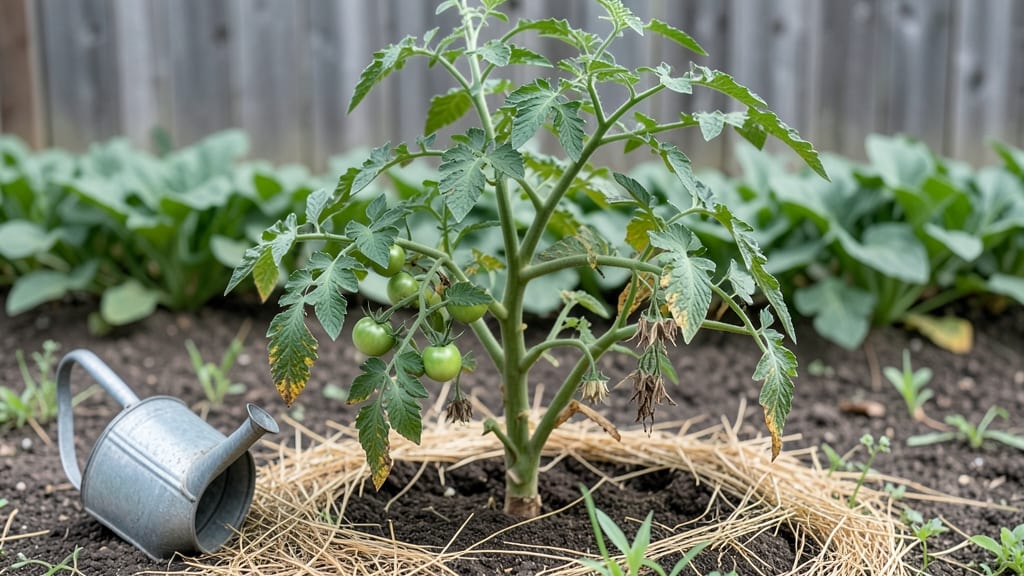
You don’t need to water your garden every day unless you’re dealing with extreme heat or sandy soil. Most plants thrive with 1 to 1.5 inches of water per week, adjusted by plant type, climate, and soil drainage—overwatering harms roots as much as drought stress.
Daily watering is a common misconception that often leads to wasted water and stressed plants. 💧 The key is understanding your garden’s unique conditions—sandy soil drains quickly and needs more frequent but shallow watering, while clay holds moisture longer and requires less frequent deep watering.
I’ve found that checking soil moisture with a finger (about 1-2 inches deep) is the simplest way to determine when plants truly need hydration.
Regional climate plays a huge role too: desert gardens need less frequent but deeper watering, while humid areas may require more frequent light watering to prevent fungal issues.
What’s fascinating is how different plants adapt to watering schedules.
For example, succulents and cacti store water in their leaves and can go weeks without watering, while leafy greens like lettuce need consistent moisture to stay crisp. 🌱 Overwatering is just as damaging as underwatering—it suffocates roots by cutting off oxygen, leading to rot and disease.
That’s why I recommend using drip irrigation systems or soaker hoses for precise delivery, especially during hot summer months when evaporation rates skyrocket.
💡 In This Article
- How Soil Type and Climate Affect Watering Needs
- Plant-Specific Watering Schedules for a Thriving Garden
How soil type and climate affect watering needs
Here's what's actually happening beneath your garden: soil composition determines how quickly water drains or evaporates. Sandy soil—made of large, coarse particles—drains water almost immediately, requiring daily or every-other-day watering to maintain moisture near shallow roots.
In contrast, clay soil has tiny particles that pack tightly, creating pockets that hold water like a sponge, often for 5-7 days after a deep watering. The key factor is soil porosity: sandy soil has 30-40% air space, while clay can hold 40-60% water by volume. 💧
Climate zones create dramatic differences in evaporation rates. In arid regions like the Southwest U.S., water evaporates at 0.25 inches per day during summer, meaning a 1-inch deep watering might only last 4 days before needing replenishment.
Meanwhile, in humid climates like the Pacific Northwest, evaporation drops to 0.1 inches per day, extending water availability to 10 days or more. Even within a single region, microclimates matter—south-facing beds get 20-30% more sun exposure than north-facing ones, accelerating moisture loss.
This is why your morning-glory vines might wilt faster on the sunny side of the fence.
Root depth plays a surprising role in watering frequency. Shallow-rooted plants like basil or radishes only need moisture in the top 6 inches of soil, so light daily watering keeps them happy.
Deep-rooted perennials like lavender or asparagus, however, send roots 3-5 feet down to access groundwater, meaning they thrive on weekly deep waterings that encourage root growth. The science here involves capillary action: water moves upward through soil pores to reach roots, but this process slows dramatically below 12 inches depth.
That's why a 5-minute deep watering at the base of a tomato plant is more effective than 5 shallow sprinkles per day.
Seasonal adjustments are non-negotiable. Spring and fall typically require 20-30% less water than summer because cooler temperatures reduce evaporation by 30-50%. Winter watering needs drop further—most plants enter dormancy and only need moisture to prevent soil from freezing solid.
Even rainfall patterns shift: in the Southeast, summer thunderstorms might deliver 1-2 inches of water in a single event, while California's winter rains spread evenly over months. Always check your local USDA Plant Hardiness Zone for baseline watering guidance tailored to your region.
What most people don't realize is how mulch transforms watering efficiency. A 3-inch layer of organic mulch (like wood chips or straw) reduces soil temperature by 5-10°F and cuts evaporation by up to 70%. This single technique can extend watering intervals by 2-3 days without stressing plants.
The mulch creates a protective barrier that mimics natural forest floors, where plants receive consistent moisture with minimal surface evaporation. For container gardens, use moisture-retaining granules mixed into potting soil to achieve similar results. 🌿
Pro tip: The "finger test" is your best friend for adjusting watering schedules. Stick your index finger 1-2 inches into the soil—if it feels dry at that depth, it's time to water. For sandy soil, check daily; for clay, once a week suffices.
This simple method accounts for all variables: soil type, climate, plant roots, and even your local rainfall patterns. The goal is to water deeply enough that moisture reaches at least 6 inches down, encouraging roots to grow deeper and making plants more drought-resistant over time.