Advice
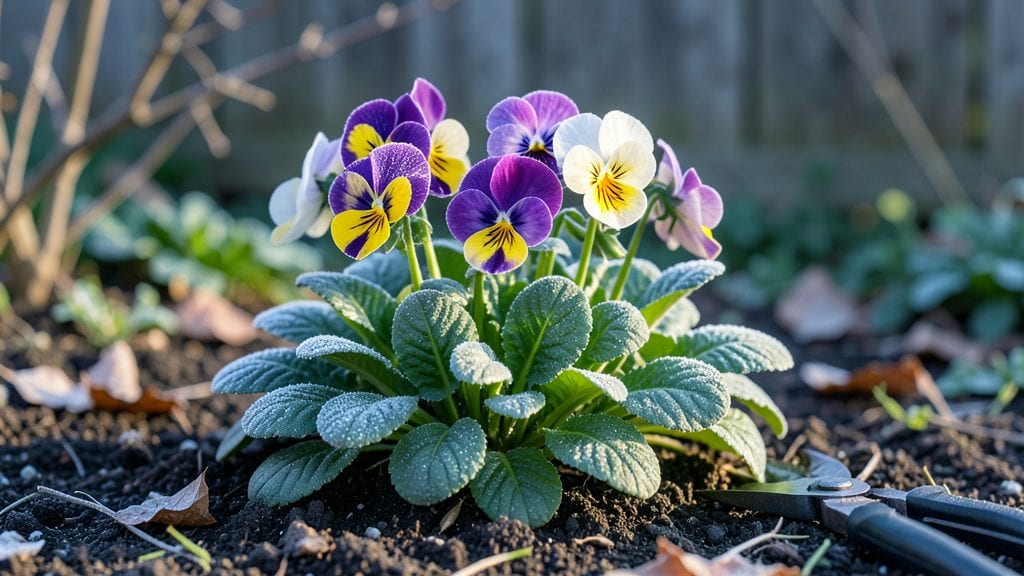
Your December garden isn’t just about survival—it’s where the hardiest, most rewarding plants prove they’re built for frost. ✨ The first time we saw kale and spinach still thriving under a light dusting of snow, we knew winter gardening could be just as exciting as summer.
These cold-loving crops don’t just tolerate frost; they taste sweeter after a freeze, and their deep green leaves bring color to gray days.
You don’t need a greenhouse or fancy equipment—just a few cold-hardy varieties, some protective mulch, and a little patience. Think hardy greens like winter lettuce, Swiss chard, and broccoli raab that keep producing until spring.
Even herbs like thyme and rosemary stay fragrant and productive when sheltered from wind. The key is choosing plants that match your USDA zone and giving them a little extra winter prep.
By February, you’ll be harvesting crisp, snow-kissed greens that outshine anything from the store. The soil stays loose and workable under protective covers, and you’ll avoid that post-holiday slump by having fresh, homegrown food ready for New Year’s resolutions.
This is gardening at its most rewarding—when the earth gives back even in its quietest season.
Whether you’re working with raised beds, containers on a patio, or even a sunny windowsill, these plants adapt. The only real mistake? Waiting until December to plan. Grab your journal and let’s turn your winter garden into a year-round harvest—one frost-hardy bite at a time.
📚 In This Guide
- What you need
- Instructions
- Tips and common mistakes
- Wrapping up and next steps
What you need
- ● Cold-hardy plants: Choose from kale, pansies, winter lettuce, cabbage, broccoli, or ornamental grasses (check your USDA hardiness zone).
- ● Potting soil: 10–20 lbs of peat-free, organic mix (e.g., Miracle-Gro Organic Choice or FoxFarm). For ground plots, use compost-amended native soil (1 bag per 5 sq ft).
- ● Containers: 5–15 gallon pots (with drainage holes) or raised beds (minimum 6" depth).
- ● Mulch: 2–3 inches of straw, shredded leaves, or pine needles to insulate roots.
- ● Frost cloth: 30–50 sq ft of breathable row cover (e.g., Agribon 15–30) for tender plants.
- ● Garden gloves (waterproof, heavy-duty).
- ● Hand trowel or transplant spade (for delicate root handling).
- ● Watering can or hose with adjustable nozzle (gentle mist for seedlings).
- ● Pruners (sterilized, for trimming dead foliage).
- ○ pH test kit (optional but helpful—aim for 6.0–7.0 for most winter crops).
- ● Slow-release fertilizer (e.g., Osmocote Smart-Release 14-14-14, 1 lb per 10 sq ft).
- ● Garden markers (frost-resistant labels for plant IDs).
- ● Heating mat (for seed-starting indoors, if extending the season).
- ● Decorative elements (e.g., evergreen boughs, pinecones, or solar-powered lights for holiday charm).
- ● Compost tea (homemade or store-bought) to boost soil microbes.
Instructions for December planting: frost-resilient selections
Winter gardening isn't about giving up—it's about choosing the right plants and timing.
🌱 Step 1: Select Cold-Hardy Varieties for December
Focus on plants that thrive in 20-30°F conditions, like winter rye, winter wheat, or hardy kale varieties. These crops not only survive frost but actually improve in flavor after a light freeze. I always check the USDA hardiness zone map for my area—this ensures the plants I choose won't bolt or freeze unexpectedly.
Look for seeds labeled "winter-hardy" or "cold-tolerant." These varieties have been bred to withstand sub-freezing temperatures and even perform better after a frost. For example, 'Winterbor' kale or 'Purple Top' turnip greens are December staples in my garden. Avoid tender annuals like basil or tomatoes—they won't survive the cold.
💧 Step 2: Prepare Soil Before Planting
December soil often stays cold and compacted, so I always work in well-draining, amended beds before planting. Mix 2-3 inches of compost into the top 6 inches of soil to improve structure and fertility. This step is critical because cold soil slows root growth, and compacted soil can suffocate emerging seedlings.
Test soil moisture before planting—it should feel like a damp sponge, not a soggy rag. If your soil feels dry, water it 24 hours before planting to give roots a head start. Avoid working the soil if it's frozen or waterlogged; instead, wait for a 40-50°F day when it's workable but not muddy.
☀️ Step 3: Plant in Late December for Spring Harvests
For cool-season crops, plant 4-6 weeks before your last frost date—typically late December in most zones. Direct-sow seeds like spinach, peas, or carrots at a depth of ½ inch, pressing them lightly into the soil. I use a seed spacing guide to avoid overcrowding, which leads to weak, disease-prone plants.
Mulch immediately after planting with 2-3 inches of straw or shredded leaves to insulate roots and retain moisture. This mulch layer also protects seedlings from temperature swings that can stress young plants. Water gently but thoroughly after planting to settle the soil around seeds.
✂️ Step 4: Protect Plants from Harsh Winter Conditions
Once planted, use row covers or cold frames to shield crops from windburn and extreme cold. These protective layers trap 5-10°F of extra warmth without creating a greenhouse effect. I secure row covers with U-shaped pins or bricks to prevent them from blowing away in winter storms.
Monitor plants weekly for signs of stress—yellowing leaves or stunted growth often mean they need more insulation or shelter. If a hard freeze (below 15°F) is forecast, add an extra layer of mulch or a lightweight blanket over the row cover. Most cold-hardy crops will bounce back once temperatures rise again.
⏰ Step 5: Plan for Early Spring Maintenance
December planting sets the stage for early spring harvests, so mark your calendar for mid-February when you'll need to check for pest damage or fungal issues under protective covers. Remove any dead or diseased foliage immediately to prevent spread.
Start fertilizing lightly in late February with a balanced, slow-release fertilizer to jumpstart growth. I always mix ½ cup of 10-10-10 fertilizer per 100 square feet into the soil at this stage. Avoid heavy applications in winter—they can encourage weak, leggy growth that struggles in cold conditions.
Tips & tricks for perfect December garden planting
Winter gardening rewards patience and preparation—here's how to maximize your December planting success without common pitfalls.
Temperature Matters: The 20-30°F range is ideal for winter crops, but don't let temperatures drop below 15°F without protection. I've learned this the hard way—last winter's hard freeze destroyed my unprotected spinach before I could harvest. Use row covers or cold frames to add that critical 5-10°F buffer when extreme cold hits. For extra insurance, add a lightweight blanket over row covers during forecasted hard freezes below 15°F.
Soil Preparation Secret: That 24-hour watering before planting isn't just about moisture—it's about warming the soil. Cold soil slows germination by up to 50%. On 40-50°F days, water beds thoroughly the day before planting to create a more hospitable environment. Pro tip: Use a soil thermometer to verify your beds have reached at least 45°F before planting—this prevents the "waiting game" that frustrates many winter gardeners.
Plant Selection Strategy: When choosing seeds, look for varieties specifically labeled "winter-hardy" or "cold-tolerant"—these aren't just marketing terms. For example, 'Winterbor' kale thrives at 20°F and actually sweetens after frost, while regular kale varieties bolt. I always cross-reference seed packets with my USDA hardiness zone (Zone 6 for me) to avoid disappointment. Remember: tender annuals like basil or tomatoes won't survive December temperatures, no matter how much you love them.
Mulching Technique: That 2-3 inch mulch layer after planting does more than retain moisture—it creates a thermal blanket. Straw works best because it allows air circulation while insulating roots. I've found that adding mulch immediately after planting (not waiting) prevents soil temperature fluctuations that can stress seedlings. For extra protection, top with a layer of leaves—just avoid anything that might harbor pests or diseases.
Pro Tips for December Garden
- Winter gardening rewards patience and preparation—here's how to maximize your December planting success without common pitfalls.
- Temperature Matters: The 20-30°F range is ideal for winter crops, but don't let temperatures drop below 15°F without protection.
- Soil Preparation Secret: That 24-hour watering before planting isn't just about moisture—it's about warming the soil.
Frequently asked questions
Got questions about keeping your garden alive and thriving in December’s chill? You’re not alone! Here are some of the most common queries—plus straightforward answers to help you plan like a pro.
Can I still plant in December, or should I wait for spring?
You can plant in December, but it depends on your hardiness zone and the plant type. Cold-hardy veggies like kale, spinach, and garlic thrive in frost, while tender plants (like tomatoes) should wait for spring. Check your zone’s last frost date—some regions even allow winter planting for early harvests!
How do I protect my December garden from freezing temperatures?
Use row covers, cold frames, or even mulch to insulate soil and plants. For delicate greens, add a cloche or a simple DIY hoop tunnel with plastic sheeting. Evergreens like holly or boxwood? They’re naturally frost-resistant—just water them well before hard freezes to prevent root damage.
What are the best low-maintenance plants for a December garden?
Opt for resilient winter stars: broccoli, carrots, radishes, and winter lettuce handle cold beautifully. Herbs like parsley and cilantro also survive light frosts. For color, pansies and ornamental kale add cheer without fuss.
My December plants look wilted—is it too late to save them?
Not necessarily! Check for thaw damage (crispy edges) vs. frostbite (blackened leaves). Trim dead foliage, water gently (if soil isn’t frozen), and cover plants overnight if temps drop below 20°F. Many perennials bounce back in spring—don’t pull them just yet!
Can I grow a December garden in containers or small spaces?
Containers are perfect for winter greens like microgreens or baby spinach. Use lightweight pots with drainage, fill with well-draining soil, and place them near south-facing walls for extra warmth. Just avoid overwatering—containers freeze faster than in-ground beds.
Wrapping up and next steps
December isn’t the end of your gardening journey—it’s a chance to prepare, protect, and plant for a vibrant winter! From frost-resistant perennials to cold-hardy veggies, your garden can still flourish with the right choices.
Embrace the season’s quiet beauty and let these resilient plants turn your outdoor space into a cozy, productive retreat.
Ready to take the next step? Sketch a simple layout of your winter garden this weekend—mark spots for evergreens, herbs, and edibles. Then, gather supplies (like mulch or row covers) and start small. Every seed or bulb planted now is a promise of spring’s first blooms! 🌱✨