
Vegetables
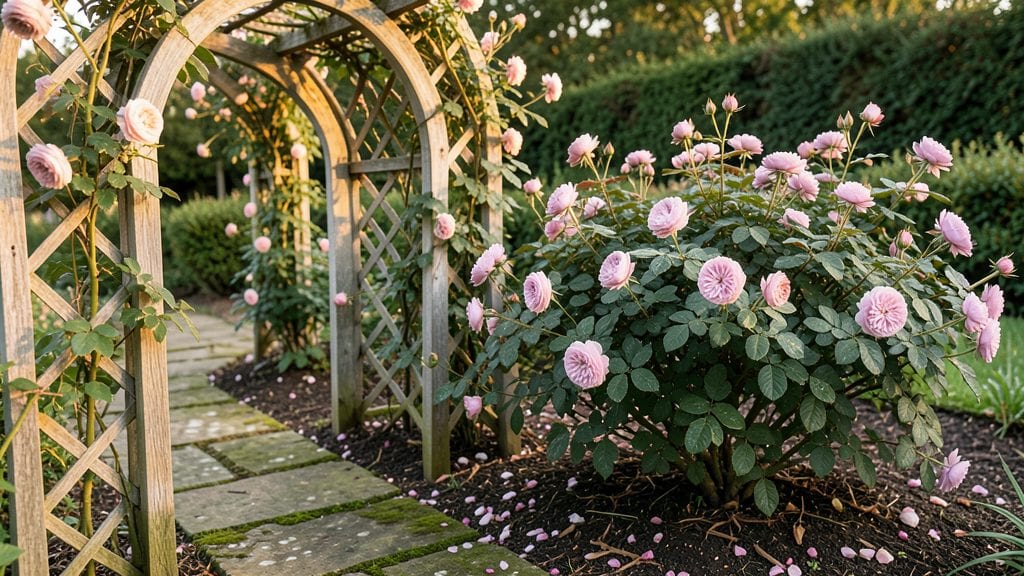
Whimsical cottage gardens create magical privacy screens that feel like stepping into a storybook. 🌿 I’ve spent years collecting images of these lush, layered spaces where flowers spill over trellises, wildflowers nod in the breeze, and every corner feels like a secret hideaway.
The real charm lies in how they blend romance with practicality—thick borders block nosy neighbors while offering year-round color and texture.
What makes these gardens work isn’t just the flowers—it’s the mix of evergreens, climbers, and seasonal blooms that keep them vibrant from spring’s first crocus to winter’s frosty holly berries.
Think rambling roses, fragrant lavender, and delicate peonies all tangled together with a rustic wooden fence or stone wall as the backdrop. The best part? You don’t need a big yard—just a sunny corner and a willingness to let plants grow wild.
You’ll end up with a garden that feels alive, not just planted—where bees buzz between foxgloves, children (or dogs) can play safely hidden from view, and your neighbors pause to admire the view.
The key is layering plants by height and bloom time so there’s always something interesting, whether it’s the scent of wisteria in May or the deep green of hellebores in January. Let’s bring that magic to your space.
These designs adapt beautifully to different climates—just swap heat-loving bougainvillea for drought-tolerant lavender in dry areas, or choose hardy hydrangeas for cooler zones. The principles stay the same: mix textures, repeat colors, and let nature do most of the work. Ready to start sketching your own cottage garden retreat?
📚 In This Guide
- What you need
- Instructions
- Tips and common mistakes
- Wrapping up and next steps
What you need
- ● Plants: 10–20 Clematis vines (for vertical interest)
- ● 5–10 Roses (climbing or shrub varieties like 'David Austin' or 'Knock Out')
- ● 3–5 Hydrangeas (panicle or mophead for lush foliage)
- ● 5 Lavender bushes (for fragrance and texture)
- ● 10 Salvia or Heuchera (perennials for year-round color)
- ● 1–2 Boxwood or Yew shrubs (for structured hedging)
- ● Support Structures: 4–6 wooden or metal trellises (6–8 ft tall, spaced 3–4 ft apart)
- ● 1–2 obelisk or arch frames (for climbing roses/clematis)
- ● Garden twine or soft plant ties (1–2 rolls)
- ● Soil & Amendments: 2–3 bags of compost (for enriching soil)
- ● 1 bag of mulch (pine bark or shredded leaves)
- ● Slow-release fertilizer (balanced 10-10-10 or rose-specific)
- ● Tools: Garden trowel or spade
- ● Pruning shears (bypass type for clean cuts)
- ● Gloves (heavy-duty for thorny plants)
- ● Watering can or hose with spray nozzle
- ● Decorative garden ornaments (wind chimes, birdhouses, or vintage signs)
- ● Colorful garden stakes (to label plants or add charm)
- ● Drip irrigation kit (for low-maintenance watering)
- ● Edging stones or metal borders (to define the garden bed)
- ● Seasonal annuals (like pansies or nasturtiums for pops of color)
How to design whimsical cottage garden privacy screens
Skip the boring fence—let me show you how to create living privacy screens that bloom, change with seasons, and feel like a fairy tale.
🌿 Step 1: Choose a Layered Plant Palette
Cottage gardens thrive on height variation and texture contrast. Start with tall, sturdy plants like roses or hydrangeas as your backbone—they’ll reach 6-8 feet and provide instant privacy. Add mid-height shrubs such as lavender or dwarf lilacs for structure, and tuck in spillers like pansies or creeping thyme to soften the edges.
Here’s the thing—mix evergreens like boxwood or inkerberry holly with deciduous plants. That way, you’ll have year-round greenery even when some plants lose leaves in winter. I like to sketch my design first, marking where each plant will go based on its mature size.
☀️ Step 2: Select the Perfect Location
Most cottage garden plants need at least 6 hours of sunlight, but some like hostas or ferns thrive in dappled shade. Scout your space and note sun patterns throughout the day—morning sun is gentler, while afternoon sun can scorch delicate blooms.
If your screen is near a fence or wall, check for moisture. Some plants, like astilbes or heucheras, love damp soil, while others, like rosemary or lavender, will sulk in soggy conditions. I always dig a small hole to test drainage before planting—if water pools after 30 minutes, you’ll need to amend the soil.
🪴 Step 3: Plant in Staggered Rows for Depth
Instead of planting in neat lines, arrange plants in loose, overlapping clusters to mimic a natural woodland edge. Start with your tallest plants at the back, then work forward with mid-height shrubs, and finish with low-growing perennials. Space them 18-24 inches apart to allow airflow and prevent disease.
Dig holes twice as wide as the root ball but only as deep—planting too deep can suffocate roots. Gently loosen the roots if they’re circling, then backfill with soil, tamping lightly to remove air pockets. Water deeply right after planting to settle the soil and encourage root growth.
✂️ Step 4: Add Climbing Vines for Extra Drama
If your screen needs height fast, incorporate climbing roses, clematis, or honeysuckle. Train them along a trellis, arbor, or sturdy branches for vertical interest. I like to weave vines through existing shrubs to create a seamless, romantic look.
Prune vines regularly to encourage bushier growth. Pinch back new growth in early spring to promote branching, and remove dead or crossing stems in late winter. This keeps your screen lush and prevents overcrowding.
💧 Step 5: Mulch and Maintain for Long-Term Beauty
Spread 3-4 inches of mulch (like shredded bark or straw) around the base of your plants to retain moisture and suppress weeds. Keep mulch 2 inches away from stems to prevent rot. Water deeply once a week in dry spells, but let the top inch of soil dry out between waterings to avoid soggy roots.
Fertilize lightly in early spring with a balanced, slow-release fertilizer—cottage gardens are about natural beauty, not forced growth. Deadhead spent blooms regularly to encourage more flowers, and prune back leggy growth in late summer to keep your screen tidy.
Tips & tricks for whimsical privacy screens
Creating a stunning cottage garden privacy screen is all about the little details that make the big difference. Here's what I've learned from years of designing these magical living walls.
The Layering Secret: When selecting your tall, sturdy plants like roses or hydrangeas, choose varieties with slightly different bloom times. This ensures your screen has continuous color from early spring through fall. I like to pair a late-blooming hydrangea with an early rose variety—it creates a seamless color transition that feels like nature's own design.
Sunlight Strategy: That 6 hours of sunlight recommendation is crucial, but don't forget about seasonal variations. Take note of how sun patterns change throughout the year—morning sun in summer might become afternoon sun in winter. If you're unsure, observe your space for a week before planting to map out the true sun exposure.
Planting Pro Tip: The 18-24 inch spacing might seem generous, but trust me on this—it's worth it. This spacing allows for proper airflow which prevents fungal diseases that can plague dense plantings. Plus, it gives you room to add more plants later if you want to expand your screen. I've seen too many overcrowded cottage gardens where plants struggle to thrive.
Year-Round Planning: For that essential year-round greenery, consider adding some ornamental grasses like fountain grass or feather reed grass. They provide movement and texture even when other plants are dormant. I always include at least one evergreen shrub like boxwood in my designs—it's the backbone that keeps everything looking lush even in winter.
Pro Tips for Cottage Gardens Images
- Creating a stunning cottage garden privacy screen is all about the little details that make the big difference.
- The Layering Secret: When selecting your tall, sturdy plants like roses or hydrangeas, choose varieties with slightly different bloom times.
- Sunlight Strategy: That 6 hours of sunlight recommendation is crucial, but don't forget about seasonal variations.
Frequently asked questions
about cottage gardens as privacy screens—because every gardener deserves a little clarity!What’s the fastest way to create a cottage garden privacy screen?
For quick results, opt for fast-growing climbers like morning glories or honeysuckle (3–5 feet/year) alongside evergreen shrubs (e.g., boxwood or holly) for structure. Layer with tall grasses (like miscanthus) for instant height and texture. Pro tip: Use container-grown plants to skip the waiting game!
How long does it take for a cottage garden to provide full privacy?
Expect 1–3 years for full coverage, depending on plant choices. Climbers (e.g., clematis, jasmine) may take 2 years, while shrubs (e.g., privet) can fill in faster (1–2 years). Mix perennials and annuals to bridge gaps early—think sunflowers or corn stalks for temporary height!
Can I use cottage garden plants in small spaces or containers?
Dwarf varieties
(e.g., bush roses, miniature hydrangeas) thrive in pots, while climbers (like cobaea) can train on trellises in tight spots. Use raised beds or hanging baskets for herbs (e.g., thyme, rosemary) to add fragrance and greenery. Pro tip: Rotate containers seasonally for year-round interest!
How do I keep pests away from my cottage garden privacy screen?
Pests like aphids or slugs can target lush foliage. Prevent with:
- Neem oil or soapy water sprays for soft-bodied bugs.
- Copper tape around pots to deter slugs.
- Companion planting (e.g., marigolds near roses).
- Encourage predators like ladybugs or birds with native plants.
Will a cottage garden privacy screen look good year-round?
Yes! Evergreens (e.g., boxwood, pine) and ornamental grasses (e.g., feather reed grass) provide winter structure, while bare branches (like dogwood) add winter interest. Bulbs (e.g., daffodils) pop in spring, and fall foliage (e.g., maple, smoke bush) extends the show. Pro tip: Add mulch to protect roots and retain moisture!
What’s the best way to photograph my cottage garden for inspiration?
Capture the whimsy with these tips:
- Shoot on overcast days for soft lighting.
- Focus on textures (e.g., lavender spikes, fern fronds).
- Use a wide-angle lens for layered depth.
- Include seasonal details (e.g., morning dew, fall leaves).
Wrapping up and next steps
Cottage gardens are more than just picturesque—they’re living canvases that blend charm, functionality, and year-round beauty. Whether you’re drawn to their romantic vines, lush perennials, or whimsical privacy screens, these spaces prove that greenery can be both practical and enchanting. 🌿✨
Now that you’re inspired, why not sketch your dream cottage garden? Start small—pick a corner of your yard, gather a few plants, and let your creativity grow. Every seed planted today could become tomorrow’s sanctuary of serenity!