
Container Gardens
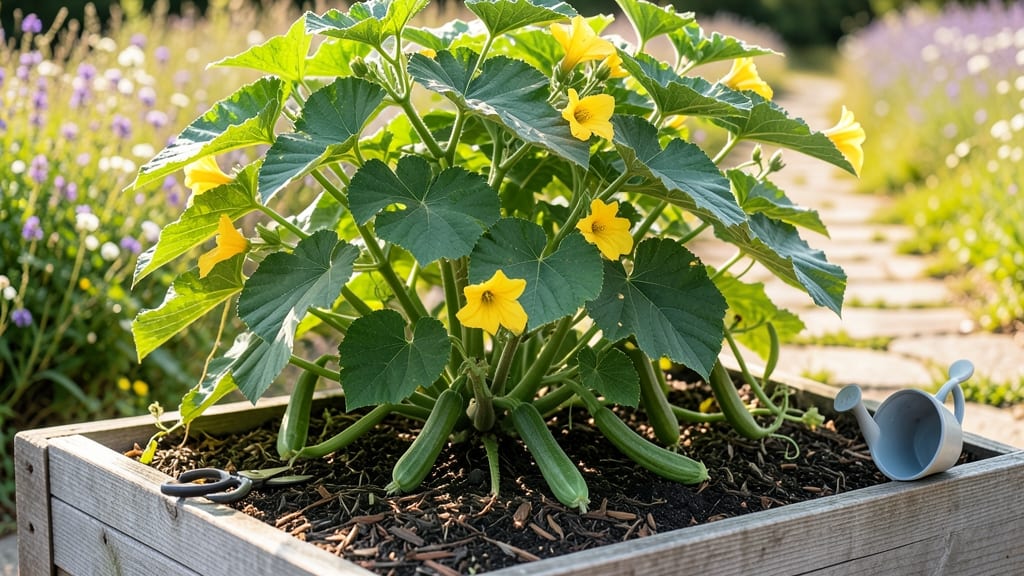
A container garden squash turns even the coziest balconies into lush harvest spots—no yard required. 🌱 After wrestling with sprawling vines in raised beds, I switched to compact bush types that flourish in 5-gallon pots, yielding 10-15 pounds of zucchini by midsummer.
The key is selecting compact varieties like 'Eight Ball' or 'Patio Star' that stay controlled while delivering restaurant-quality yields.
You'll need at least 5-gallon containers (bigger for larger varieties), well-draining potting mix with compost, and a trellis or sturdy cage for vining types. Most garden centers overlook container-specific squash, so I recommend checking seed catalogs for "bush" or "mini" labels—these are bred to stay compact.
A south-facing spot with 6+ hours of sun ensures steady growth, though partial shade works for smaller varieties.
The payoff arrives in 6-8 weeks when you're harvesting glossy green squash straight from your balcony. Unlike in-ground gardens, container squash rarely suffer from pests or rot, and you can move pots to follow the sun or protect from late frosts.
The first harvests are always the sweetest—there's nothing like picking a zucchini that morning and using it that evening.
This method works equally well for herbs, peppers, and tomatoes, making it a versatile system for small-space gardeners. Whether you're in an apartment or have limited yard room, container squash proves that big harvests don't require big plots. Let's get those pots planted!
📚 In This Guide
- What you need
- Instructions
- Tips and common mistakes
- Wrapping up and next steps
What you need
- ● Container: A 5-gallon bucket or larger (minimum 15-20 gallons for bush varieties, 30+ gallons for vining types like butternut). Ensure it has drainage holes at the bottom.
- ● Potting Mix: A high-quality, well-draining mix (avoid garden soil). Look for blends labeled for vegetables or containers (e.g., Miracle-Gro Potting Mix). 5-10 gallons per container.
- ● Squash Seeds or Seedlings: Bush varieties (compact): Bush Delicata, Eight Ball, or Sugar Pie (3-5 seeds per container).
- ● Vining varieties (larger containers): Butternut, Spaghetti, or Golden Zucchini (2-3 seeds per container).
- ● Fertilizer: A balanced, organic fertilizer (e.g., 10-10-10 or compost tea). Start with 1 tbsp per container at planting, then every 4-6 weeks.
- ● Mulch: Straw or shredded leaves (1-2 inches) to retain moisture and suppress weeds.
- ● Watering Can or Hose: With a gentle spray nozzle to avoid disturbing soil.
- ● Trellis or Cage: For vining squash (e.g., 5-6 ft tall tomato cage to save space).
- ● Container Gloves: To protect hands from prickly vines or hot containers.
- ● Epsom Salt: 1 tbsp per gallon of water (monthly) for magnesium boost.
- ● Row Covers: Lightweight fabric to protect young plants from pests.
- ● Pruning Shears: For trimming excess vines or yellow leaves.
Step-by-Step instructions for growing squash in containers
Here’s how to cultivate productive, space-saving squash varieties in containers—no backyard needed.
🪴 Step 1: Select the Right Containers and Drainage
Choose 5-gallon fabric grow bags or large ceramic pots with drainage holes—squash roots spread aggressively, so at least 18 inches deep is critical. I avoid plastic because it traps heat and encourages root rot. If using ceramic, place a 2-inch layer of gravel at the bottom to improve drainage and prevent soil compaction.
Squash vines need room to sprawl, so position containers where vines can trail 3-4 feet without obstruction. A trellis or sturdy wire frame (like the metal tomato cage in your materials) works well for bush varieties, saving space while keeping fruit off the ground.
🌱 Step 2: Prepare Soil and Plant Seedlings
Fill your container with 3 gallons of high-quality potting mix, amended with 1 cup compost and ½ cup perlite for aeration. Squash thrives in well-draining, fertile soil—packed garden soil suffocates roots. Press the mix down lightly to eliminate air pockets, then water until moist but not soggy (like a wrung-out sponge).
Plant 1-2 seeds per container, burying them 1 inch deep in a small mound of soil. Squash seeds germinate best in warm soil (70-85°F), so pre-warm the soil with a seedling heat mat if night temps dip below 60°F. Thin to the strongest seedling once true leaves appear—crowding weakens plants and invites disease.
☀️ Step 3: Provide Sun and Support for Vines
Squash demands full sun (6-8 hours daily)—no compromise. Place containers in the sunniest spot on your patio or balcony, rotating them quarter-turns weekly to prevent lopsided growth. If shade is unavoidable, opt for smaller varieties like ‘Eight Ball’ or ‘Patio Star’, which tolerate partial sun better than standard types.
As vines grow, train them along the trellis or cage, securing stems with soft plant ties. This keeps fruit elevated, reducing rot risk and making harvests easier. Watch for yellowing leaves—a sign of nutrient deficiency—and feed with ½ cup balanced fertilizer every 4-6 weeks once vines start running.
💧 Step 4: Water and Monitor for Pests
Water deeply 2-3 times per week, aiming for 1-2 gallons per container—squash roots dive deep, and shallow watering stresses plants. Check soil moisture by sticking your finger 2 inches down; water when dry. Avoid wetting foliage to prevent powdery mildew, a common squash foe. Early morning watering gives leaves time to dry before evening humidity sets in.
Inspect undersides of leaves weekly for squash vine borers (tiny yellow moths) or aphids. At the first sign of chewed stems or sticky residue, spray with neem oil solution (mix 1 tbsp neem oil + 1 tsp mild soap per gallon of water). Preventative sprays every 2 weeks keep pests in check without chemicals.
✂️ Step 5: Harvest and Extend the Season
Harvest when squash reaches full size but before seeds harden—this ensures sweetness. Use a sharp knife to cut stems, leaving 1 inch attached to avoid damaging the vine. Bush varieties like ‘Eight Ball’ produce 3-5 fruits per plant; vining types yield 10+ if pruned properly. Remove spent flowers to redirect energy to fruit development.
To prolong harvests, mulch with straw after the first frost to insulate roots. Bring containers indoors to a garage or sunroom if temps drop below 50°F, and supplement with a grow light for 12 hours daily. With care, you’ll harvest well into fall—sometimes even winter—before storing excess in a cool, dark place for later use.
Tips & tricks for growing squash in containers
Container gardening brings squash within reach—but only if you nail these key details. I've learned the hard way which small adjustments make the biggest difference in yield and plant health.
Container Depth Matters: In Step 1, those 18 inches of depth aren't just arbitrary—they accommodate squash roots that can spread aggressively. I've seen containers fail when gardeners use shallow pots, leading to stunted plants and poor fruit production. For ceramic pots, the 2-inch gravel layer at the bottom isn't optional; it prevents compaction that would suffocate roots and cause rot. If you're using fabric grow bags, make sure they're sturdy enough to hold the weight of mature plants and fruit.
Soil Temperature is Critical: The instructions call for warm soil between 70-85°F for germination, but here's what nobody tells you—consistent warmth matters more than exact degrees. If night temperatures dip below 60°F, your seedling heat mat becomes essential. I've watched seeds fail to germinate when soil cooled below 65°F overnight, even when daytime temps were perfect. For best results, keep soil consistently above 70°F during the germination window.
Sunlight Strategy for Small Spaces: The 6-8 hours of full sun requirement in Step 3 is non-negotiable, but here's how to maximize limited space: position containers on wheels or casters so you can move them to follow the sun's path throughout the day. South-facing windowsills or balconies work well, but supplement with a grow light for 2-3 hours if natural light falls short. For bush varieties like 'Eight Ball', you can get away with 5-6 hours of direct sun, but expect smaller yields.
Watering Wisdom: The 2-3 times per week guideline in Step 4 is a starting point, but the real secret is watering technique. Always water at the base rather than overhead to prevent powdery mildew. I've found that using a moisture meter helps—aim for soil moisture between 40-60% at 2 inches depth. During hot weather, you might need to water daily, but always check before adding more water to avoid root rot.
Pro Tips for Container Garden Squash
- Container gardening brings squash within reach—but only if you nail these key details.
- Container Depth Matters: In Step 1, those 18 inches of depth aren't just arbitrary—they accommodate squash roots that can spread aggressively.
- Soil Temperature is Critical: The instructions call for warm soil between 70-85°F for germination, but here's what nobody tells you—consistent warmth matters more than exact degrees.
Frequently asked questions
Got questions about growing squash in containers? You’re not alone! Here are some of the most common concerns—and their solutions—to help you grow a thriving, space-saving squash harvest.
What’s the best type of squash for container gardening?
Look for compact, bush varieties like Eight Ball or Patio Star zucchini, or Table Queen summer squash. These stay small (3–5 feet tall) and don’t sprawl like vining types. Avoid large winter squash like pumpkins—they need too much space!
How long does it take for container-grown squash to produce?
Most summer squash varieties mature in 45–55 days from transplanting, while winter squash (like small butternuts) take 80–100 days. Start seeds indoors 2–3 weeks before your last frost date, or buy young plants to jumpstart your harvest.
How often should I water container-grown squash?
Water daily in hot weather—containers dry out fast! Aim for 1–2 inches of water per week, and check soil moisture with your finger (top 1–2 inches should feel damp). Mulch around the base to retain moisture and keep roots cool.
What pests should I watch for in container squash?
Squash bugs, cucumber beetles, and aphids love squash! Prevent pests with row covers early on, and handpick eggs or adults. For organic control, spray with neem oil or introduce beneficial insects like ladybugs. Rotate containers yearly to avoid soil-borne diseases.
Can I grow squash in a small pot, like a 5-gallon bucket?
Yes, but size matters! A 5-gallon container works for one small zucchini plant, but larger varieties (like Gold Rush) need 10+ gallons. Add a trellis if growing vining types to save space. Just ensure pots have drainage holes to avoid root rot!
Wrapping up and next steps
Growing squash in containers isn’t just possible—it’s a rewarding way to enjoy fresh, homegrown produce, even in small spaces! 🌱 With the right space-saving varieties, proper care, and a dash of creativity, you’ll be harvesting delicious, vine-ripened squash all season long.
Whether you’re a beginner or a seasoned gardener, this method proves that big harvests don’t need big yards.
Ready to take the next step? Start by sketching your container setup—pick your pots, choose your squash, and mark your calendar for planting. Then, dive into the fun of nurturing your plants and watching them thrive!
Happy gardening, and may your squash be plentiful and your recipes even more delicious. 🍉✨