
Fertilization
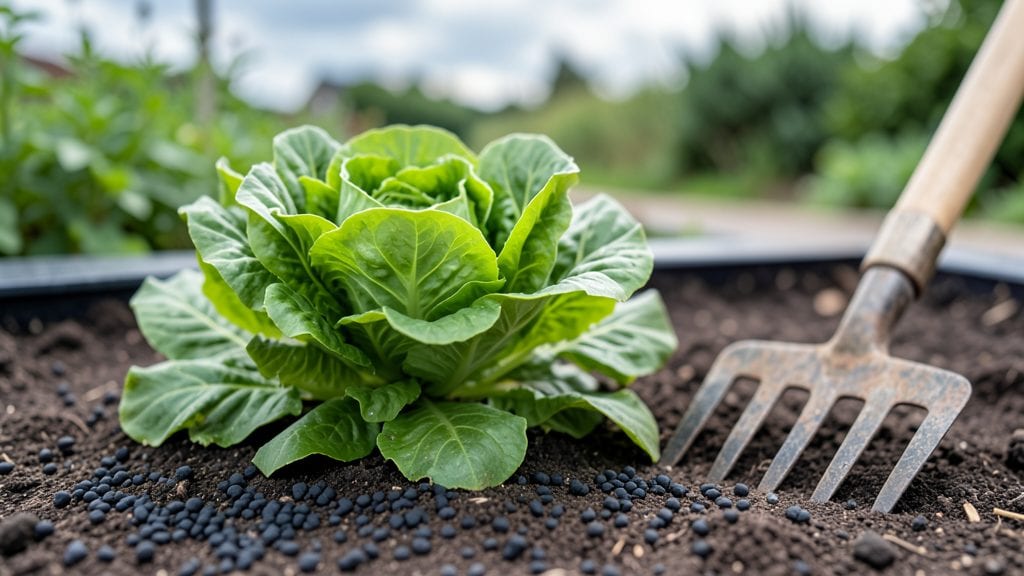
Charcoal in gardening transforms soil by improving aeration, locking in moisture, and filtering out harmful contaminants, resulting in stronger plants and higher harvests. Activated or horticultural-grade charcoal delivers the best results when worked into soil or applied as a top layer.
This natural soil amendment works like a sponge for pollutants, binding heavy metals and excess salts while creating tiny air pockets that roots love. 🔥 Many gardeners swear by it for container plants or acidic soil, where it helps balance pH without harsh chemicals.
Just remember: a little goes a long way—start with 10-20% of your compost mix to avoid altering soil structure too drastically.
For best results, I recommend using food-grade activated charcoal (never charcoal from grills or fireplaces) and reapplying every 6-12 months for continuous benefits. The key is patience—plants won't show dramatic changes overnight, but over time, you'll notice fewer pests and more vibrant growth.
💡 In This Article
- How Charcoal Enhances Soil Chemistry and Plant Nutrition
- Best Ways to Use Charcoal in Your Garden
How charcoal enhances soil chemistry and plant nutrition
Here's what's actually happening when you add charcoal to your garden: its porous structure creates a massive surface area—up to 1,000 square meters per gram in activated forms—that acts like a molecular magnet for toxins.
This porous network traps heavy metals like lead and cadmium while allowing water and oxygen to flow freely, unlike dense soil amendments that compact over time. The key factor is its cation exchange capacity (CEC), which helps neutralize harmful salts and excess nutrients that can burn plant roots.
Activated charcoal differs from regular charcoal by undergoing a high-temperature oxidation process that creates these microscopic pores. While regular charcoal (from grills) has some benefits, activated versions can adsorb 50-100 times more contaminants by weight.
Think of it like comparing a sponge to a high-tech filtration system—both hold water, but one does it with precision. The activated form also stimulates beneficial microbes by providing shelter and a stable environment, which breaks down organic matter more efficiently than untreated soil.
What most people don't realize is how charcoal influences pH balance. It naturally buffers soil acidity by binding hydrogen ions, making it especially valuable for acid-loving plants like blueberries or azaleas that struggle in alkaline conditions.
In container gardens, where pH swings are common, adding 5-10% activated charcoal to the mix can stabilize levels without chemical amendments. The porous structure also retains moisture near roots while preventing waterlogging—a common issue in heavy clay soils.
This works because charcoal's chemistry mimics natural processes in forest ecosystems, where fallen wood slowly decomposes and enriches soil. The difference is that garden-grade charcoal provides immediate benefits without waiting decades.
For example, in hydroponic systems, charcoal filters out harmful microbes while maintaining oxygen levels—similar to how it works in soil but with faster results. The porous structure creates microhabitats where beneficial fungi and bacteria thrive, creating a more resilient soil ecosystem.
Consider these key factors when choosing between activated and regular charcoal:
- Adsorption power: Activated charcoal removes 99% of certain toxins vs. 10-30% for regular charcoal
- Soil structure: Activated versions improve aeration 2-3 times better due to finer pores
- Microbe support: Activated charcoal provides 50% more surface area for beneficial organisms
- Cost: Regular charcoal costs $5-$10 per pound; activated is $20-$40 but lasts longer
The science behind this involves a process called adsorption (not absorption), where contaminants stick to the charcoal's surface rather than being absorbed into its structure. This is why charcoal can remove pesticides, herbicides, and even excess fertilizer salts without becoming contaminated itself.
For gardeners dealing with urban soils or contaminated land, this makes charcoal one of the safest amendments available—no risk of adding more toxins to your plants.
For the best results, mix 1 part activated charcoal to 9 parts compost before planting. In established gardens, spread a thin layer (1/4 inch) on top of soil and lightly work it in. The effects build over time, so consistency matters more than one-time applications. 💫