
Pests
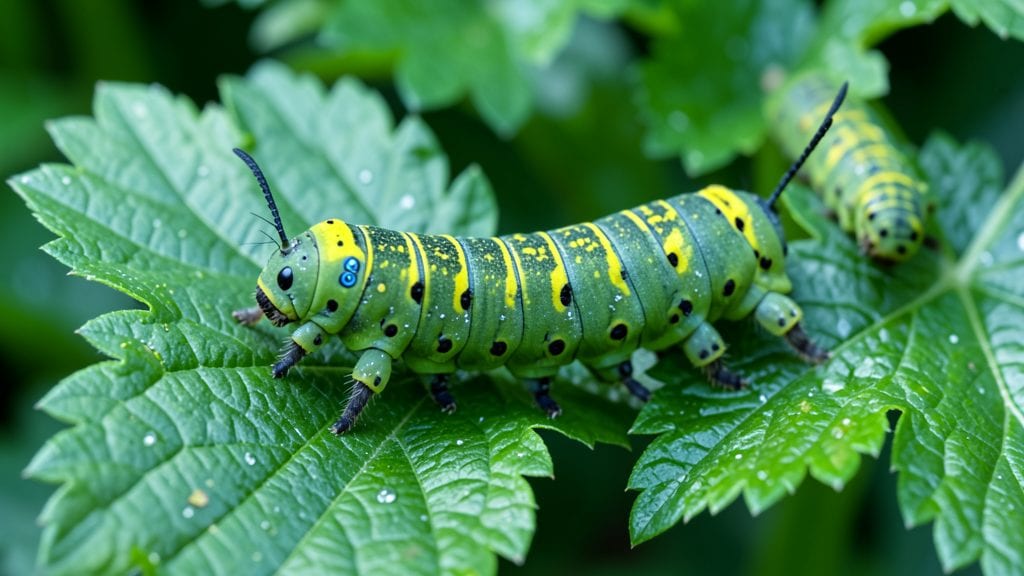
Caterpillars in garden can turn lush leaves into skeletonized messes overnight, but I’ve found organic barriers that stop moths from laying eggs before the damage starts. The key is understanding which caterpillars target your plants—cabbage worms chew through brassicas, while tomato hornworms strip stems bare in days.
Most gardeners wait until they see damage, but the real win is preventing eggs from hatching in the first place.
My go-to method uses floating row covers made from lightweight fabric, which moths can’t penetrate to lay eggs. For smaller plants, I wrap stems in copper tape—the slight electric charge deters egg-laying moths.
Both solutions work without harming beneficial insects, and they’re easy to install before planting season begins. The best part? You’ll avoid the heartbreak of finding half-eaten tomatoes or cabbage leaves overnight.
Once you block egg-laying, the next step is monitoring for early signs of caterpillars—chewed leaves, frass (poop), or silken webs. If you do spot caterpillars, handpicking or introducing parasitic wasps (like Cotesia glomeratus) can control populations naturally.
These methods keep your garden thriving while maintaining the balance of your ecosystem—no harsh chemicals needed.
This approach works for vegetable gardens, flower beds, and even container plants, whether you’re dealing with cabbage moths, tomato hornworms, or tent caterpillars. The secret is acting early—before the moths even get a chance to lay their eggs. Let’s keep your garden lush and caterpillar-free!
The Hidden Triggers Behind Garden Munchers
Caterpillars don’t just appear in your garden out of nowhere—they’re drawn by a mix of environmental cues, plant chemistry, and even your gardening habits. Understanding these triggers is the first step to outsmarting them. Let’s break down the science behind why your garden becomes a caterpillar buffet.
Caterpillars are picky eaters, but some plants are like neon signs screaming, “Eat me!” Their leaves contain specific compounds—like alkaloids, glycosides, or high-nitrogen content—that signal “high-quality food” to hungry larvae. For example:
- Cabbage family (Brassicas): Plants like kale, broccoli, and cabbage produce mustard oil glycosides, which attract cabbage moths (the parents of voracious caterpillars).
- Tomatoes and peppers: These solanaceous plants emit volatile organic compounds (VOCs) that caterpillars (like tomato hornworms) can detect from up to 20 feet away.
- Soft-stemmed herbs: Parsley, dill, and fennel are magnets for black swallowtail butterflies, which lay eggs that hatch into caterpillars.
Actionable fix: If you’re growing these plants, interrupt their scent trails by planting strongly aromatic herbs (basil, mint, or rosemary) nearby. These mask the “all-you-can-eat” signal.
Caterpillars thrive in warm, moist environments—think of them as tropical vacationers. Here’s why your garden might be their favorite resort:
- Soil temperature: Eggs laid in 60–80°F soil hatch faster. Mulched or shaded areas trap heat, creating ideal conditions.
- Leaf moisture: Dew, morning watering, or overhead irrigation keeps leaves damp, which speeds up larval growth and reduces predator activity (like birds or parasitic wasps).
- Dense foliage: Thick plants (like hostas or lettuce) create microclimates where humidity lingers, protecting tender caterpillars from drying out.
Actionable fix:
- ✅ Water at the base (not overhead) to avoid creating a caterpillar sauna.
- ✅ Thin out dense plants to improve airflow and dryness.
- ✅ Avoid mulching too heavily near vulnerable plants—opt for straw or pine needles instead of thick organic matter.
Too much nitrogen in the soil doesn’t just make your plants grow faster—it makes them more appealing to caterpillars. Here’s how:
- High-protein leaves: Nitrogen-rich soil boosts leaf protein content, which is like a five-star meal for caterpillars.
- Lush, tender growth: Fast-growing, soft stems (from excess fertilizer) are easier for larvae to chew through.
- Attracts adult moths: Some species (like the cabbage looper) are drawn to nitrogen-rich plants for egg-laying.
Actionable fix:
- 💡 Test your soil—aim for a balanced NPK (e.g., 10-10-10 or 5-5-5) rather than high-nitrogen (e.g., 20-0-0).
- 🌱 Use organic fertilizers like composted manure or worm castings, which release nutrients slowly.
- 🚫 Avoid synthetic fertilizers in the weeks leading up to peak caterpillar season (spring to early summer).
Caterpillars face a gauntlet of predators—birds, parasitic wasps, ground beetles, and even spiders—but if your garden lacks their favorite snacks, these helpers stay away. Common reasons:
- Missing “predator food”: Birds need berries, seeds, or insects; wasps need other pests to hunt.
- Chemical disruption: Pesticides (even “organic” ones) can kill beneficial insects faster than caterpillars.
- Monoculture gardens: Planting the same species in rows (e.g., a whole bed of roses) offers no hiding spots for predators.
Actionable fix:
- 🐦 Add predator-friendly plants:
- 🌼 Dill, fennel, or parsley for parasitic wasps.
- 🍓 Native berry bushes for birds.
- 🌿 Clovers or small flowers for ground beetles.
- 🌳 Create diversity: Mix plant heights and types to mimic a natural ecosystem.
- 🚫 Avoid broad-spectrum sprays—opt for targeted solutions like Bacillus thuringiensis (Bt).
By addressing these triggers, you’re not just reacting to caterpillars—you’re rewriting the rules of your garden’s ecosystem. The next step? Disrupt their life cycle before eggs even hatch.
Quick Fixes for Caterpillar Chaos
Caterpillars may seem like harmless garden guests, but their voracious appetites can quickly turn your lush plants into a buffet of skeletonized leaves. The good news? You don’t need harsh chemicals to keep them in check.
Below, we’ve mapped out practical, organic solutions tailored to the most common causes of caterpillar infestations—plus prevention tips to keep your garden thriving long-term.
Many caterpillars start life as tiny eggs hidden on the undersides of leaves or along stems. If you spot clusters of eggs (often round, oval, or dome-shaped), act fast before they hatch.
🔥 How to Stop Them:
- 🍳 Scrape Off Eggs Manually Use a soft brush, damp cloth, or even your fingernail to gently remove eggs and drop them into soapy water. Check leaves daily during peak egg-laying seasons (spring and summer).
- 👨🍳 Apply Kaolin Clay Barrier Mix 1 cup of food-grade diatomaceous earth (DE) or kaolin clay with 1 gallon of water, then spray it on leaves. The gritty texture deters egg-laying moths and disrupts caterpillar movement. Reapply after rain.
- 🥘 Introduce Predatory Wasps Tiny trichogramma wasps lay their eggs inside caterpillar eggs, killing them naturally. Release them at dusk for best results.
💡 Prevention Tip:
Install yellow sticky traps near plants to catch adult moths before they lay eggs. Replace traps every 2–3 weeks for maximum effectiveness.
New shoots and tender leaves are caterpillar favorites. If you notice ragged edges or holes in young foliage, these tiny pests are likely the culprits.
🔪 How to Stop Them:
- 🥘 Handpick and Drop in Soapy Water Wear gloves and pluck caterpillars off plants in the early morning when they’re sluggish. Drop them into a bucket of soapy water to dissolve their protective wax coating.
- 🌡️ Use Neem Oil Spray Mix 1 tbsp neem oil, 1 tsp mild dish soap, and 1 quart of water. Spray directly on caterpillars and leaves. Neem disrupts their feeding and growth hormones. Apply in the evening to avoid harming bees.
- 🎯 Deploy Bacillus Thuringiensis (Bt) This organic bacteria (Bt kurstaki) targets caterpillars’ digestive systems. Mix it with water and spray on affected plants. Safe for humans and pets, but reapply after rain.
✨ Prevention Tip:
Encourage ladybugs, lacewings, and parasitic wasps by planting companion flowers like dill, fennel, or marigolds. These natural predators will hunt caterpillars for you!
If your plants look like Swiss cheese or have large, chewed leaves, you’re dealing with mature caterpillars. These guys are tougher to remove but still beatable organically.
🔥 How to Stop Them:
- 🍳 Physical Barriers (Row Covers) Cover vulnerable plants with fine mesh row covers (1/4-inch or smaller) secured tightly. This blocks adult moths from laying eggs and traps caterpillars inside. Remove covers during pollination if needed.
- 👨🍳 Beer or Salt Spray (Last Resort) Mix 1 part beer or salt with 3 parts water in a spray bottle. Target caterpillars directly—this dehydrates them. Use sparingly and avoid spraying edible plants.
- 🥘 Chicken or Duck Patrol Let poultry forage in your garden. Chickens and ducks love munching caterpillars and will clear infestations in hours. Supervise to prevent over-grazing.
💡 Prevention Tip:
Rotate crops annually to disrupt caterpillar life cycles. Avoid planting the same family (e.g., brassicas like cabbage) in the same spot year after year.
With these targeted strategies, you can restore your garden’s health without chemicals. The key is early action—check plants regularly, especially after rain or at dusk when moths are most active. Your garden (and your sanity) will thank you!
Frequently asked questions
What are the most destructive caterpillars in vegetable gardens?
Look for tomato hornworms, cabbage worms, and black swallowtails. These species strip plants bare in days. Tomato hornworms target nightshades (tomatoes, peppers), while cabbage worms attack brassicas (kale, broccoli). Black swallowtails love parsley and dill.
How do I know if caterpillars are harming my plants?
Check for chewed leaves with ragged edges, frass (tiny black droppings), or silken webs on stems. Early signs include small holes in leaves or skeletonized foliage. The damage often appears overnight, so inspect plants daily during peak season (spring to summer).
Are there safe ways to remove caterpillars without chemicals?
Yes! Try handpicking (drop them in soapy water), Bacillus thuringiensis (Bt) spray, or neem oil. For prevention, use row covers or plant basil/mint nearby to repel moths. Introduce parasitic wasps or ladybugs as natural predators.
Can caterpillars return next year after I remove them?
Many species overwinter as eggs or pupae, so rotate crops and remove plant debris in fall. Use yellow sticky traps in early spring to catch adult moths before they lay eggs. Long-term solutions include kaolin clay barriers and companion planting with predator-friendly flowers.